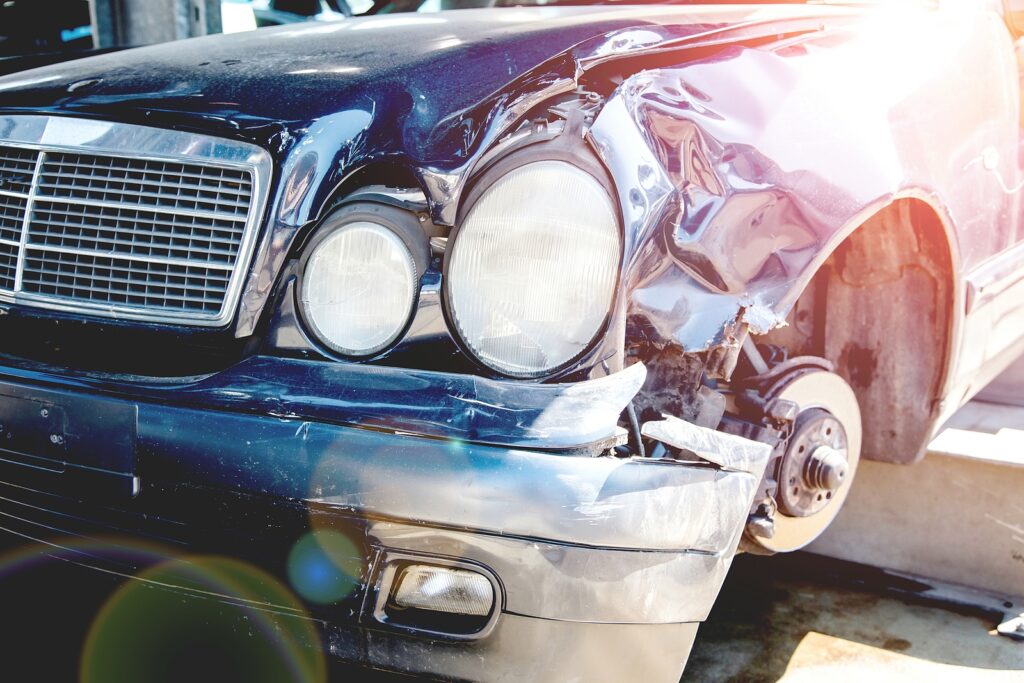
Why Did the Car Dealership Give Me a Low Trade-In Value?

When you take your car into the dealership to trade it in for a new one, nothing is more disappointing than hearing that your trade-in value is not enough to cover the car you had in mind, or any for that matter. How do car dealerships determine trade-in value? Why did they offer you so little for your trade-in? Is their offer fair? Is it possible to increase your car’s trade-in price? These are all important questions to explore to better avoid falling victim to a low-ball offer from the dealer.

Continue reading to learn more about car dealership trade-in factors, including the scale used to generate offers.

Auto Salvage Yard Indianapolis Indiana 317-608-2188

Dealership Trade-In Values Will Always Be Less Than a Private Sale

It is important to understand that you will always make less from a dealership trade-in than you would by selling your vehicle to a private buyer. Those who prefer dealer trade-ins over private car sales are typically well-off, economically, and do not mind the loss they take for the sake of convenience. Others might prefer this route if they have limited time to make the sale or if they are temporarily located for work.

How Car Dealers Calculate Trade-In Pricing

There are many factors that dealerships rely on to generate a trade-in price for a vehicle. Of all the various factors, the top three factors that will have the most impact are: 1) the current demand for the particular make and model car; 2) the current condition of the car, including the mileage; and 3) the extent of needed repairs or replacements.

With these factors in mind, you can understand what you can do to increase your car’s trade-in value. Something as simple as washing and detailing your vehicle can get you a better offer. You can also make any small repairs or replacements, even if it’s just new windshield wipers and floor mats or removing bumper stickers.

Lastly, be sure to look up your make and model’s current market value using a trusted resource like Kelly Blue Book (KBB) or VehicleHistory.com. Use these portals to compare your findings to the dealer’s offer. This knowledge will protect you from being taken advantage of by a large, commercial dealership.

Alternative to Dealer Trade-Ins

You can choose to sell your car to a trusted and experienced Indianapolis auto salvage lot that would pay you for the scrap value of your vehicle. Not only do they retain the proper resources and equipment to generate an accurate offer, but they pay cash on the spot and provide free car pick-up.

Would you like an easy and profitable way to sell a car in Indy? Contact GC’s Junk Cars at 317-608-2188 to get started on the car selling process, today! Our Indianapolis IN junk car buyers pay cash on the spot for all vehicles, no matter the condition! Plus, we offer free junk car removal! No hidden fees, ever!

Related Posts:

Is My Car Totaled If It Is Over 50 Percent Damaged?
How to Assess Your Junk Car’s Worth
How to Make More Money the Easy Way
How to Wash a Junk Car With Rain

When you are ready to sell a junk car that has been occupying your precious square footage for far too long, preparation is the key to earning the most cash. Not only should you remove all of your personal belongings and aftermarket automotive accessories you wish to keep, but you should also clean the car up. Aside from clearing out the trash and leafy debris, washing the outside of a junk car can help you get a better offer from junk car buying companies. But don’t waste your time, effort, or worse, hard-earned money, getting your junk car polished up at the local car wash.

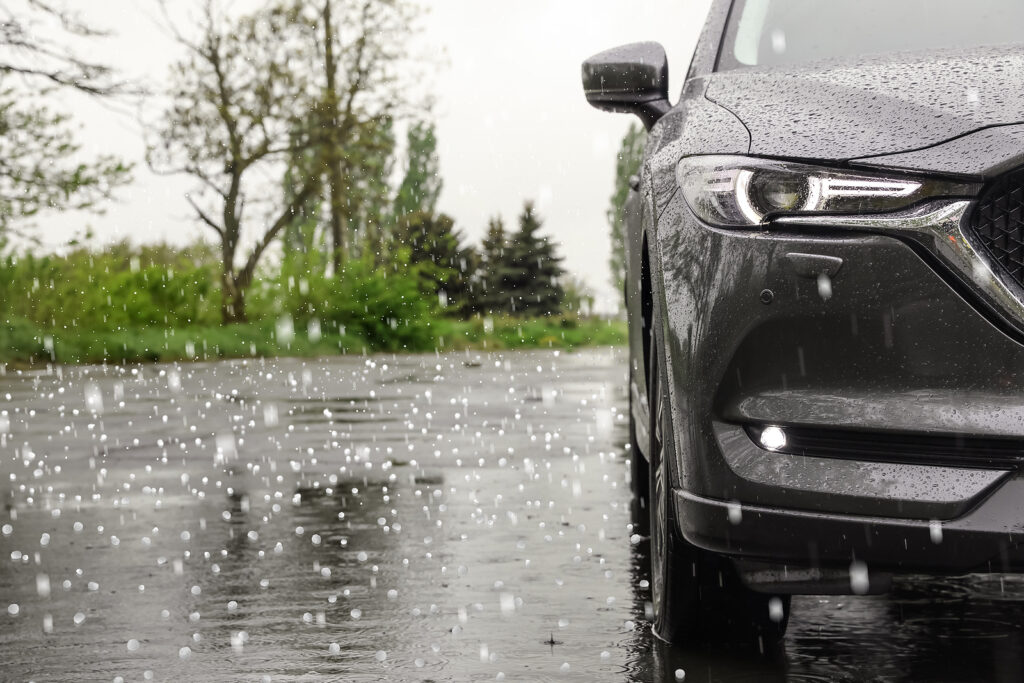
Here’s a great, Eco-friendly solution instead: naturally wash your junk car using the rain! That’s right; you can give your junk car a good cleansing by simply prepping it before a big rainstorm. Continue below to learn how!

Indianapolis Auto Salvage Lot 317-608-2188

Rain is Naturally Soft

Rainwater is naturally soft, which means it is entirely free of hard minerals. Once rain hits the ground, it permeates the underlying layers of soil, clay, sand, and aggregate, collecting hard minerals along the way. Depending on the level of water hardness in your region, your hose water could have these same hard minerals. This means that washing your car with rain can actually render better results because rain does not leave behind the remnants that hard mineral ions do. Such hard minerals can cause corrosion, spotting, and discoloration on vehicle paint and tires.

Tips for Washing Your Car in the Rain

First and foremost, you will need a lot of rain in the forecast. Keep your eye out on the weather and choose a day that predicts at least a 75% chance of rain. You want enough rainfall to adequately cleanse and rinse your junk car. A 30 minute rain shower may do the trick, but a heavier, more persistent rainstorm would be better.

Once you know which day will bring on the most precipitation, you can gather your supplies. You will need a non-toxic, biodegradable car wash soap, which you can purchase online or at any department store, auto parts store, or home improvement store. You will also need something to smear the soap in with, such as a sponge, rag, or towel.

How to Get Started

Be sure your junk car is in a position that will expose it to as much rainfall as possible. If it sits below an awning or carport, you will need to move it, otherwise you cannot wash it in the rain.

Begin smothering your junk car with the biodegradable car wash solution using your sponge or rag. It’s important to use a non-toxic, biodegradable car wash solution because you don’t want the water run off to negatively affect the surrounding environment.

Once you feel confident that your junk car is generously covered in a layer of car wash soap, you are all done! Now just sit back, kick your feet up, and wait for the rain to do all the work for you!

Now that your junk car is clean and sparkly, put it to good use by selling it to a local Indy auto salvage yard for cash on the spot! Contact GC’s Junk Cars at 317-608-2188 to sell your junk car in Indianapolis, Indiana for cash on the spot! We provide free junk car removal, so we come to you!

Related Posts:

How You Should Prepare for Selling a Junk Car
What Does a Junk Car Appraiser Look For?
The Secret to Making Good Money By Selling a Junk Car

How Much Does it Cost to Tow a Junk Car?

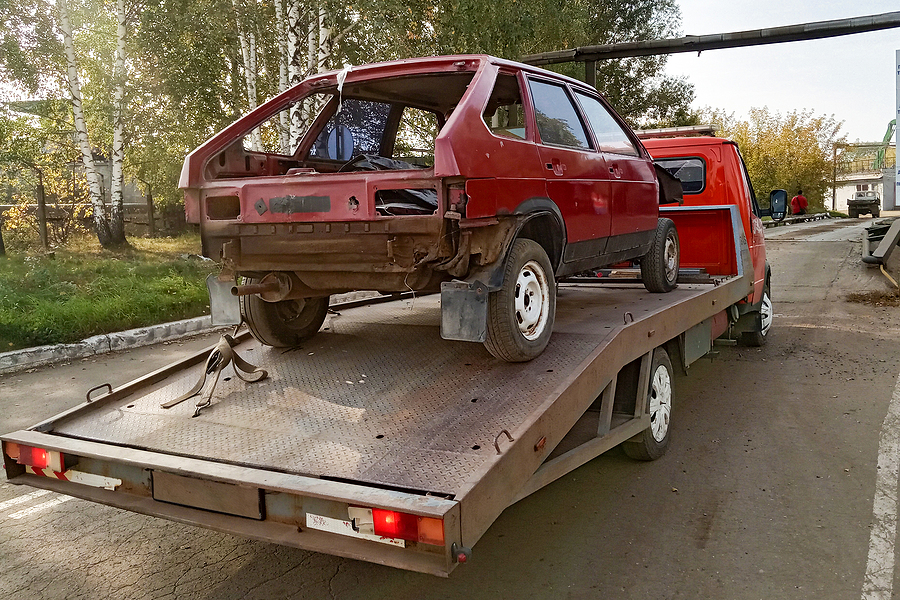
If your auto insurance policy doesn’t include a roadside assistant perk, you may be left to pay for junk car towing yourself. Continue reading to learn the average rates for towing a wrecked, junked, or totaled car to an auto salvage lot, plus how you can get the best deal on salvage towing in Central Indiana.

Junk Car Towing Indianapolis Indiana 317-608-2188

Junk Car Towing Fees

Most junk car companies provide towing service and include the cost of the service in their offer or final payout. So, it is unlikely that you will find a buyer that requires you to make your own towing arrangements. However, be prepared just in case. Research the average towing rates among the local businesses in your area so that you have a base understanding of the market. You can use these local rates as a comparison when asking about the rates offered by junk car buying companies.

Junk car companies use different approaches to junk car removal towing. Some companies have their own tow trucks, while others use a middleman operation to tow junk cars to their lot. Either way, junk car companies that charge a fee for junk car removal will adjust their rates based on the cost for them to provide towing. After all, they are in business to make money. As a result, junk car towing fees are usually high.

Average Cost to Tow a Junk Car

The average rate to tow a vehicle to an auto salvage lot in Indianapolis using a private towing service will depend on the set rates for the business, the location of your vehicle, and the type of vehicle you are scrapping. On average, you can expect to pay anywhere from $75 to $250 to tow a junk car to an auto salvage yard. Smaller cars that are closer to the destination will cost less to tow than large cars that are father away, and so forth. The level of difficulty to access the car for towing will also have an impact on the towing fee.

Junk car companies charge much less the private towing businesses. You can expect to be charged anywhere between $25 and $80 for junk car towing through a Cash for Cars company. However, the same factors used by private towing businesses are used by junk car companies to generate an offer for a junk vehicle. So, if your car is far away, difficult to access, and low in scrap value, you will be offered a lower payout. Upon your payout, junk car companies deduct a towing fee.

How to Get Free Junk Car Removal in Indianapolis

There is a way to avoid paying for junk car towing in Indiana. Choose GC’s Junk Cars as your Indianapolis junk car buyers! We provide FREE TOWING for junk cars, trucks, motorized vehicles, boats, and more! Best of all, we pay CASH ON THE SPOT!

As a leading Cash for Cars Company in Central Indiana, we are well-established and sustain the necessary capital to provide the MAXIMUM PAYOUTS for junk cars, plus convenient, cost-efficient amenities, like free offers and free junk car removal! We can offer free towing because we have our own, in-house tow trucks, which means there is no middleman in our junk car selling process! You get paid more and charged less when you sell a junk car in Indianapolis to GC’s Junk Cars!

Are you ready to get in touch? Contact GC’s Junk Cars at 317-608-2188 to get started with the junk car selling process in Indiana. We serve all of Central Indiana, including Bloomington, Avon, Greenfield, and Zionsville.

Related Posts:

Why Sell Your Car to GC’s Junk Cars?
How Do I Replace a Lost or Stolen Car Title?
How to Assess Your Junk Car’s Worth

The Only Papers You Need to Keep in Your Car

There are many important documents that need to be saved and kept in a safe place. Things like your passport, house deed, birth certificate, Social Security card, mortgage agreements, and similar paperwork are best-kept at home, preferably in a safe or locked file cabinet, or in the safety security box. However, there are some documents that should be kept in your car and not in your house or office.

Continue reading to learn which documents should and should not be kept in your car.

Cash for Cars Indianapolis Indiana 317-608-2188

Important Car Documents to Keep Inside the Vehicle

Proof of Insurance

Whether you are stopped for routine traffic violation or involved in a minor car accident, the very first thing that will be asked of you is proof of automotive insurance. It is the state law to have minimum liability insurance coverage for vehicles that are actively driven. Whether your automotive insurance company provides you with an insurance card or a packet of documents, it is important to keep that information inside of your vehicle at all times. If you are stopped by law enforcement while driving and you do not have proof of car insurance on you, you will be penalized.

Car Registration

The other important document that should always be kept inside of your vehicle is the car registration. The law requires all driven vehicles to be registered with the state. It is typically a long rectangular document made with the thicker paper. Store it inside of your glove compartment or in a durable, preferably zip-up, folder under your seat. Driving without your car registration on you can put you at risk of being ticketed by police in the case that you are ever pulled over or involved in a car accident.

Roadside Assistance Card

Although optional, it is a good idea to keep your roadside assistance card in your vehicle for emergencies. If you are not a paying member of a roadside assistance program, keep any local or statewide roadside assistance company contact information in your car.

Leave These Car Documents at Home:

Title

There are some car documents that should never be kept inside the vehicle, and your title is one of them. Always keep your car title a home in a safe location. If you lose the car title, you can subject yourself to the risk of identity theft or loss of certain rights to your vehicle. If you have lost your car title, or it has been stolen or damaged, you can apply for a duplicate title at your local BMV.

Car Payment Paperwork

Any paperwork that pertains to your car lease or car financing plan should never be kept inside the vehicle. If you are making payments on your vehicle, don’t keep this information in your car. Again, it can be used for identity theft purposes or even pose the risk of mistakenly missing payments.

Is your car past the point of being driven and now you just want to get it off your hands in the easiest way possible? Well, make a profit while doing it! Contact GC’s Junk Cars at 317-608-2188 to receive a free cash for cars offer! We accept all make and model vehicles, regardless of condition. We also provide free junk car removal!

Related Posts:

Which Documents Prove Ownership of a Vehicle?
Facts About the National Motor Vehicle Title Information System
How Do I Replace a Lost or Stolen Car Title?

How to Tell if Your Car Has Bad Spark Plugs

You don’t have to be a mechanic to know when something’s going wrong within your vehicle. Many automotive systems and parts will present signs that indicate they need repaired or replaced, including the spark plugs. Not sure what spark plugs do? Don’t know how to look for signs of bad Spark plugs? No problem.

Continue reading to learn how to tell if your car has bad spark plugs, plus what you can do if your car is no longer a good candidate for repair.

Junk Car Buyers Indianapolis Indiana 317-608-2188

Spark Plug Basics

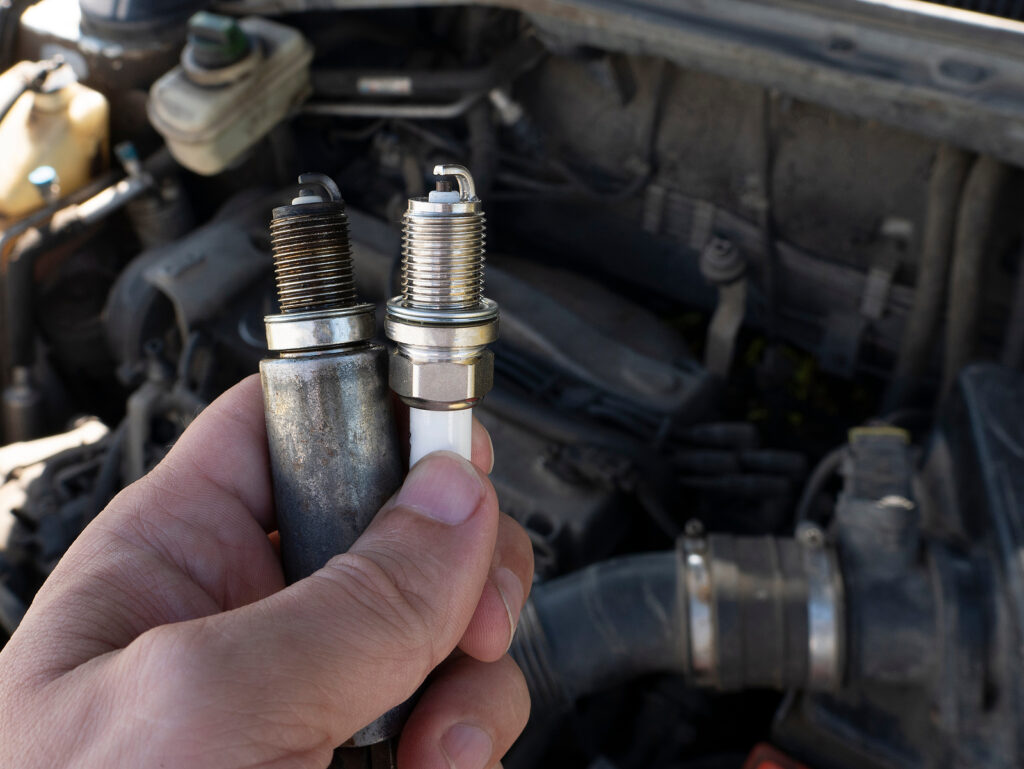
Your vehicle contains all sorts of electrical systems and devices. That is exactly what your spark plugs are. They are small, internal electrical devices designed to trigger combustion within the engine by igniting the air-fuel mixture within the combustion chambers of the engine’s cylinders. This in turn provides power to the engine and allows you to drive your vehicle. So, if your spark plugs are bad, you’re not going to have any luck turning over the ignition, nor maintaining smooth driving operation.

Spark Plug Replacement

The good news is that spark plugs tend to last a long time. In fact, you probably won’t have to change at your spark plugs until you take your car in a few times for routine service. Your mechanic will likely tell you when you need your spark plugs replaced. More good news is that spark plug replacement is typically inexpensive because they are on the cheaper side of automotive parts. Keep in mind, you will need to pay for labor to have them installed in addition to the price of the spark plugs.

Generally, spark plugs can last up to 100,000 miles or more. It is suggested that copper spark plugs do not last as long as industry conventional spark plugs made of platinum or iridium. Refer to your owner’s manual for specific recommendations on spark plug replacement for your make and model vehicle.

Common Signs of Failing Spark Plugs

Ready to learn how to spot the signs of bad spark plugs in your vehicle? Your spark plugs might be going bad if any of these statements are true about you and your vehicle:

▶ You are experiencing poor gas mileage.
▶ The engine continues to misfire.
▶ You have trouble starting your engine.
▶ Your vehicle accelerates slowly, or slower than before.
▶ Your vehicle has rough idling.

It is important to have your spark plugs replaced in a timely manner so that you can get the best use out of your vehicle. If you fail to provide your car with the proper maintenance and repairs along the way, it will eventually total out. Once your car is a total loss, it is no longer a good candidate for repair. In such a case, you can sell it to a local junk car buyer in Indianapolis for cash on the spot.

Are you ready to get started with the junk car selling process in Indianapolis? Contact GC’s Junk Cars at 317-608-2188 to learn the honest scrap value for your junk car from a licensed Indiana auto salvage associate. We provide free junk car removal too!

Related Posts:

Why is My Check Engine Light On?
Do I Need Car Radiator Repair?
Is My Car Totaled if the Engine Blew?

Do You Need Car Brake Repair or Replacement?

Do you suspect that your car brakes are acting funny, but not sure which signs to look out for to confirm your suspicions? Continue reading to learn how to tell if your car needs brake repair or brake replacement, plus what you can do if the cost to repair your vehicle is simply too high.

Indiana Junk Car Buying Company 317-608-2188

How to Know if You Need Car Brake Repair or Replacement

It would be a perfect world if our cars and trucks never required routine maintenance and upkeep, but unfortunately that is not reality. Our vehicles require a specific level of care to preserve and sustain appearance, performance, and most importantly, safety. Routine maintenance such as windshield wiper blade replacement, radiator flushes, tire rotations, oil changes, tune-ups, and more, are critical to overall vehicle preservation.

One of the most important components to keep in a safe and functional condition is the braking system. This system requires special attention in order to keep you safe on the road and protect your investment. If you neglect your car brakes, not only can it cause extra damage to your vehicle, but it can also lead to your car being a total loss.

That is because, in many cases, when an entire braking system needs to be replaced, the cost can exceed the total value of the vehicle. In this situation, a person’s best bet is to sell their totaled car to a junk car buyer, purchase another vehicle, and then stay dedicated to a routine brake maintenance agenda to avoid vehicular damage.

Brake Pad and Brake Rotor Deterioration

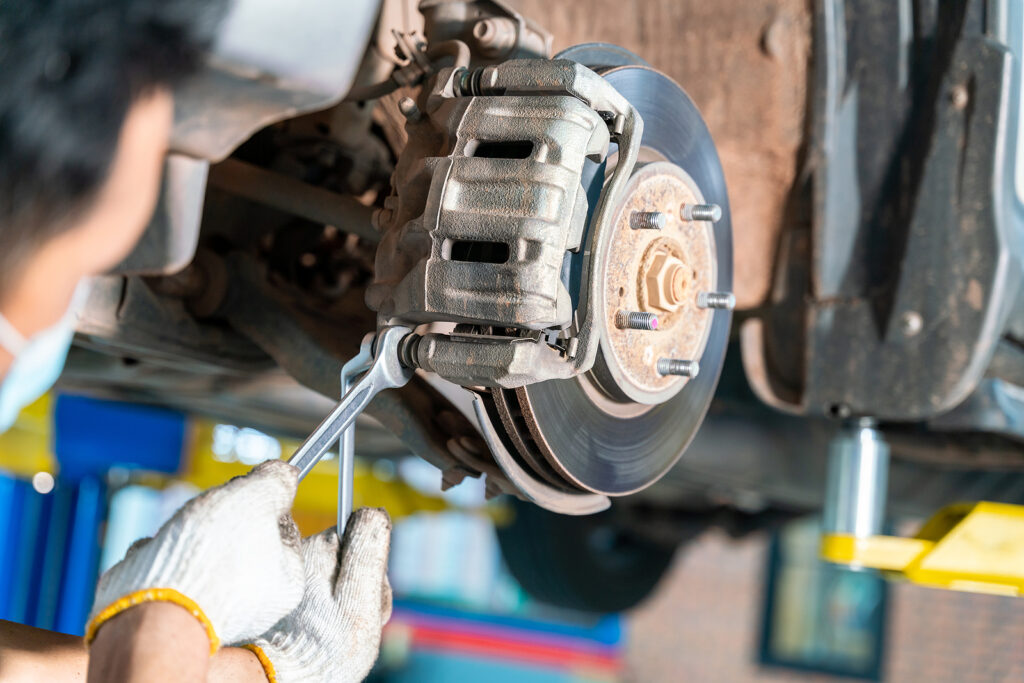
To understand how to identify or look out for brake problems in your vehicle, first it is helpful to understand the basic components of a car brake system.  There are four general parts: the hydraulic clamp, brake fluid line, brake pads, and brake rotors. Some may argue that brake pads and rotors are actually part of the wheel, but in this case, we will still include them because they can influence the need for brake repair.

In most cases, the brake lines and hydraulic clamp will not experience much wear and tear; they are built to last a long time. On the other hand, brake pads and rotors are susceptible to wear and tear at all times and will need replacing every few thousand miles or so. They are exposed to deterioration every time you drive because the pad presses against the smooth metal rotor every time the brake is applied.  Over time, this pad is worn down and will make a recognizable noise to warn you that they are low.

Brake pads whine or hiss when they get low.  The noise is actually the result of the bare pad scraping against the metal rotor (the metal disk that spins on the wheel) and causing friction between them.  It can start out as a faint squeak and turn into a high-pitched squeal if neglected.

If you hear grinding, then the pad is most likely worn completely thin and is grinding against the rotor.  This can really damage the brake rotors. The thickness of the brake padding, the amount of driving you do, and the way you drive all influence the number of times you will need to replace them.

When the Cost of Car Brake Repair is Too High

If you discover that your car brakes are shot and need to be replaced, but the cost exceeds the total value if your vehicle, you can still make it profitable by selling it to an Indianapolis junk car buyer. Choose a company that has premium electronic scales that can accurately assess the value of your junk car. Then use the cash toward another vehicle!

Is your vehicle in mechanical trouble but you can’t afford auto repair? Perhaps the cost of car brake repair is higher than the total value of your vehicle? If so, contact GC’s Junk Cars at 317-608-2188 to sell your total loss vehicle for cash on the spot to our trusted Indianapolis cash for cars company!

Related Posts:

3 Things You Can Do With Old Car Parts
Do I Need Car Radiator Repair?
Can the Wrong Fuel Damage a Car?

GC's Junk Cars Indianapolis Indiana
GC’s Junk Cars Indianapolis Indiana

How Does the Total Loss Process Work for a Wrecked Car?

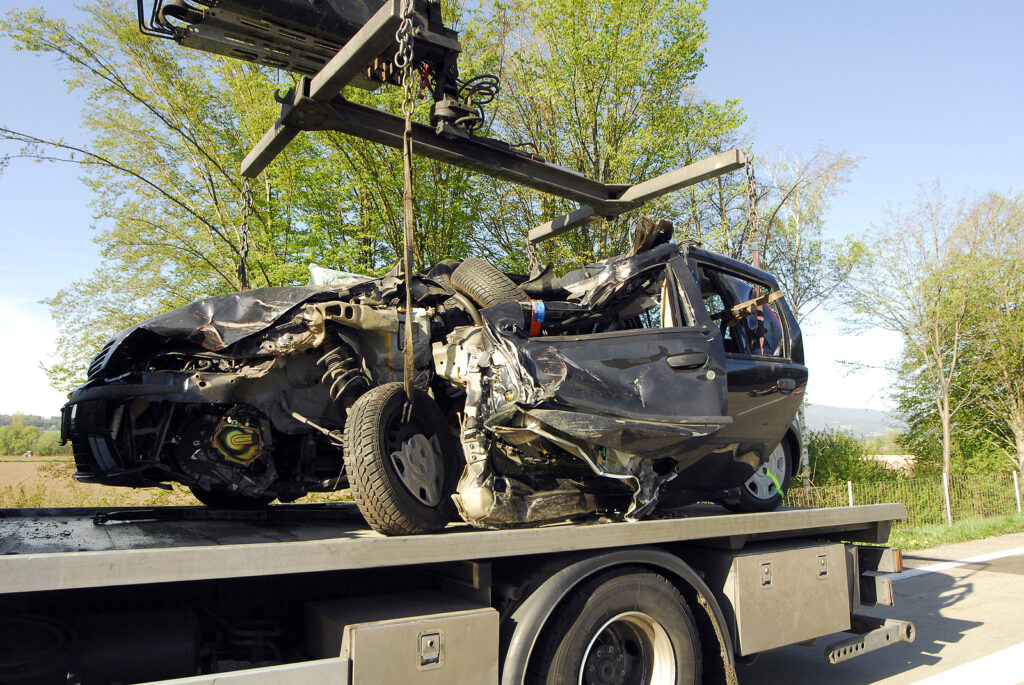
When your vehicle is damaged beyond repair after a collision or traffic accident, the insurance company will label it a total loss. Additionally, your vehicle can be deemed totaled by your insurance carrier if the cost to repair it exceeds its current market value. If you have recently wrecked your vehicle, continue reading for a brief explanation on how the total loss process works for a wrecked car, plus how you can earn cash for a totaled car if it was not insured at the time of the wreck.

Cash for Cars Lot Indianapolis Indiana 317-608-2188

What is a Total Loss Vehicle?

A total loss vehicle is any car, SUV, truck, van, or motorized automobile that is so far damaged that the cost to repair it is higher than what the vehicle is valued at by the current market. So, let’s say that your wrecked car has a current scrap value of $2,400. If the cost to repair your wrecked car back to its original condition prior to the accident or collision is higher than $2,400, your insurance company will categorize it as a total loss. At this point, a few things will happen.

The Process of Filing a Total Loss Claim

The process of filing a total loss claim for wrecked car will vary depending on whether you own the vehicle or if you’re leasing or financing it. If you own your car, you can expect the total loss claim process to commence as follows:

File the Claim

First, you will report the claim to your insurance company the same day as your accident, or early the next morning. Simply give them a call (you can find the number on the back of your insurance car, within your insurance documents, or on an online directory) and tell the representative what you are trying to accomplish. They will place on the path in the direction you need to go.

Complete an Insurance Adjuster Inspection

This can depend on your particular insurance carrier, but in most cases of car accidents, the next step in the total loss claim process is to schedule an insurance adjuster inspection. This generally takes place within one or two days of the accident. Your insurance company does this to ensure that the automotive repair shop that does the damage estimate provides an accurate assessment and for the claim-related damages. This step prevents insurance fraud and deductible errors.

Rent a Car

Your insurance company may offer free rental car benefits under your policy if you file a claim for a totaled vehicle. Check with them to see if you are eligible for such benefits or if similar amenities are available to you.

Finalize the Claim Settlement

A few days after the insurance adjuster evaluates the damage to your vehicle and investigates the claim, you will be offered a settlement. In this step, you will review and finalize your total loss car insurance settlement by accepting the offer.

Locate the Car Title

After you accept and finalize the car insurance claim settlement, you will likely need to locate the car title so that you can give it to the insurance company.

Prepare Your Car for Pickup

Before you can get paid, you will need to release your wrecked car to the insurance company. Just be sure to take out all of your personal belongings and remove the license plate. When the tow truck arrives to collect your vehicle, you will need to sign some paperwork and sign over the car title.

Take Your Payment

One or two days after you release your wrecked vehicle to the insurance company, you should receive some final paperwork along with your insurance payment. This step might be done electronically, in person, or through mail. Now you can go buy another car!

Did you wreck and total a vehicle that was not covered by car insurance? Contact GC’s Junk Cars at 317-608-2188 to sell your junk car for cash on the spot to one of our Indianapolis Indiana junk car buyers! We even offer free junk removal!

Related Posts:

General Qualities of a Total Loss Car
What To Do After a Total Loss Car Accident
Is My Car Totaled if the Engine Blew?

GC's Junk Cars Indianapolis Indiana
GC’s Junk Cars Indianapolis Indiana

Vital Car Fluids and What You Need to Know About Them

Your vehicle is an important asset that requires routine maintenance and responsible driving to perform safely, efficiently, and for many years. Among the various car maintenance requirements for all vehicles, regardless of make or model, automotive fluid management is arguably the most important task. Your vehicle requires 7 of them, all at once, without exception. Do you know what they are?

Continue reading to learn the seven essential automotive fluids every vehicle needs to drive safely and stay in good condition for years to come.

Indianapolis Salvaged Car Buyers 317-608-2188
Indianapolis Junk Car Buyers 317-608-2188

Your Vehicle Needs These 7 Car Fluids

Motor Oil

Engine oil is of course one of the most well-known and significant fluids for cars and trucks. It lubricates all the inner workings and moving parts of a car engine’s crank case to reduce heat-causing friction. Without proper lubrication at all times, parts like pistons, valves, and more, are subject to damage. This renders a motor useless.

Depending on the make and model of your particular vehicle, the schedule for oil changes will vary slightly. Check your owners’ manual or consult a trusted local mechanic for information about your vehicle’s factory scheduled maintenance. Generally, motor oil should be changed every 5,000 or 6 months, whichever comes first.

Radiator Fluid

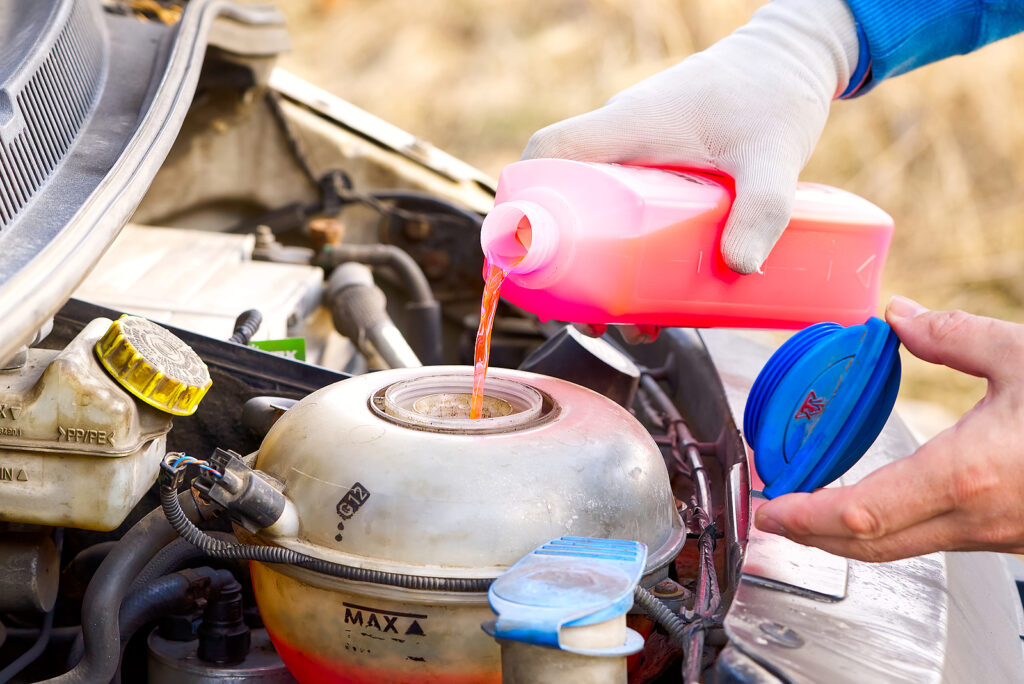
Your vehicle’s coolant is a must, since without it, your car is sure to overheat. Radiator fluid, also called coolant or antifreeze, is a 50/50 combination of solution and water, and can come in a variety of colors depending on the brand and type you buy. It keeps the engine from overheating by circulating through the engine and collecting heat, returning it to the radiator, and then dispersing this heat outside. This should be changed as needed, depending on how often you drive and your driving habits. Generally, coolant should be changed every 3 to 5 months, or 3,000 to 5,000 miles.

Windshield Wiper Fluid

Most often forgotten or overlooked, windshield wiper fluid is an essential part of driver and passenger safety. This is a fluid anyone can re-fill themselves, as needed. Simply by this well-known blue solution at a gas station or auto parts store. Refill as needed.

Transmission Fluid

Transmission fluid is red in color and very similar to motor oil in terms of its function. This is because it cools and lubricates the inner workings of a vehicle’s transmission. This keeps the vehicle’s gears in good condition, allowing for easy gear changes and functionality. Generally, this fluid should be changed one time per year. Again, check your owner’ manual, or download one online, for specific maintenance schedule information.

Brake Fluid

In terms of passenger safety, you might say brake fluid is the most important for a vehicle. Brake fluid allows for proper hydraulic functioning of the car brakes. When you push down on the brake pedal, the brake fluid compresses, sending hydraulic force to the brake pads and shoes, which provides the friction needed to stop a vehicle. Generally, brake fluid should be replaced every 2 years, or 30,000 miles. Check your owners’ manual for details.

Power Steering Fluid

Power steering fluid is pressurized by a small hydraulic pump that is powered by the vehicle’s engine. It allows the vehicle to turn easier. This fluid enhances the steering mechanism of a car or truck. Without it, it would feel as if the steering wheel weighs 100 pounds. Power steering fluid needs replaced generally every 4 years or 60,000 miles.

Battery Fluid

If your vehicle has a “maintenance-free” battery, then you will not be required to check its fluid levels. But for older model cars and trucks, batteries have individual cells that need to be refilled with battery fluid. This fluid, of course, maintains the car battery’s power, allowing for turning the ignition and starting the engine. Battery fluid should be changed generally every 6 to 8 months or 7,500 miles.

If your car bites the dust, don’t think for a second that you are out of luck! Contact GC’s Junk Cars at 317-608-2188 to sell a junk car in Indianapolis, Indiana. We offer free junk car removal, so all you have to do is call and accept our offer! Request a free estimate, today.

Related Posts:

When and Why You Need to Change the Motor Oil in Your Car
Why is My Check Engine Light On?
Do I Need Car Radiator Repair?

GC’s Junk Cars
GC’s Junk Cars 317-608-2188

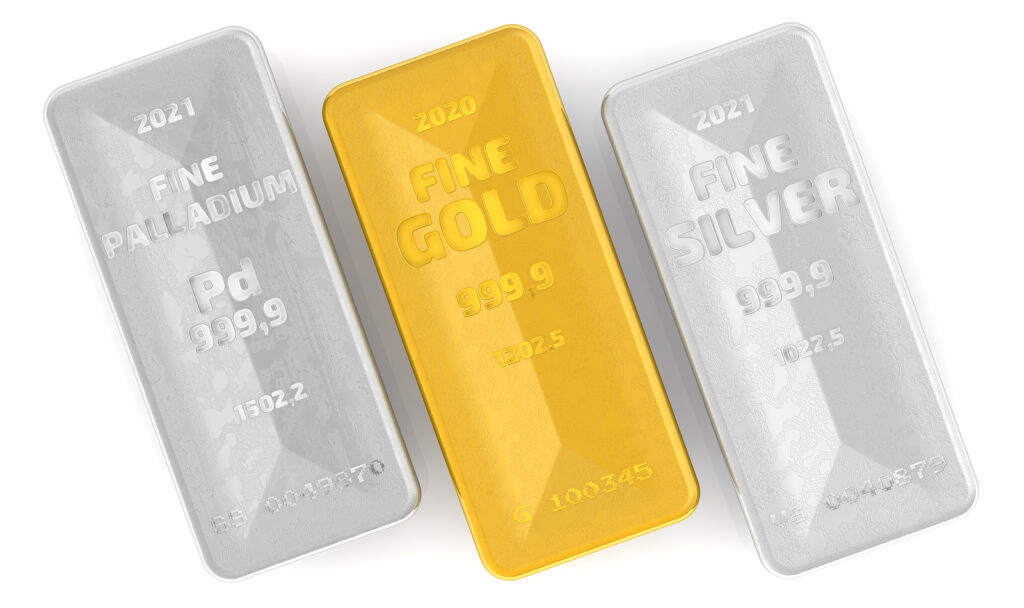
Top 4 Precious Metals in Junk Cars

For most vehicles, rubber, fiberglass, and steel are the primary materials used in the manufacturing process. However, many people do not realize that cars and trucks also contain precious metals, which are rarely occurring metals with high economic value. Continue reading to learn the top 4 precious metals found in junk cars and where to get the best price when you are ready to sell yours in Central Indiana.

Indianapolis Cash for Junk Cars 317-608-2188

What is a Precious Metal?

Precious metals are those found in nature, that occur naturally but very rarely, and therefore have a high economic value. Aside from rarity, precious metals have a high economic value due to their advantageous properties, such as electrical conductivity, corrosion resistance, and more. When it comes to junk vehicles, the top four precious metals you can count on include palladium, platinum, gold, and silver.

Palladium

If you are a fan of the Marvel movies, you’ve likely heard of palladium thanks to Iron Man. But palladium is a real naturally occurring precious metal that is used in various industries and applications all across the world. As for the automotive industry, palladium is commonly found within the catalytic converter. Using a palladium alloy to line catalysts within the catalytic converter because it reduces manufacturing costs. Other precious metals, such as rhodium, may also be used in this manufacturing process for cars.

Platinum

Platinum is another rarely occurring precious metal that is commonly used in the jewelry making industry. However, platinum is also a primary constituent in catalytic converters. So, catalytic converters commonly contain platinum, palladium, and rhodium all in one. For this reason, catalytic converters are one of the most expensive auto parts.

Gold

Although it is not common knowledge, gold is a valuable precious metal found in almost every modern-day vehicle. Basically, if your car has a computer system, your car contains gold. Computer circuit boards are generally designed with gold-plated fingers, which can be removed from junk cars and refurbished in a precious metal recycling process. Goal can also be found in some airbag systems, audio stereo systems, and even in decorative elements for luxury vehicles.

Silver

This last precious metal is not as common. Silver is typically found in cars that use silver oxide batteries. However, most personal vehicles do not contain silver oxide batteries these days due to the high cost of using silver in the automotive manufacturing process.

Do you have a junk car that you wish to get rid of for cash on the spot? Contact GC’s Junk Cars at 317-608-2188 to sell a junk car for cash in Indianapolis, Indiana. We offer free towing with our in-house tow truck, so all you have to do is call and accept our offer!

Related Posts:

Facts You Did Not Know About Catalytic Converters
Do Junk Cars Contain Precious Metal?
The Average Cost to Replace a Catalytic Converter

GC’s Junk Cars
GC’s Junk Cars 317-608-2188

Do Junk Car Buyers Take All Make and Model Vehicles?

If you have an old, junked vehicle taking up valuable space on your property, you may not realize that it can still provide value. Junk car buyers are interested in the metal components within junked or totaled vehicles, and will purchase them for what their worth, regardless of age, make, model, or condition. So, if you are ready to get rid of your piece of junk, all it takes is one simple phone call to your local cash for cars business. If you are worried whether or not you can actually sell it, you can set your concerns aside.

Continue reading to learn all the different types of vehicles and commodities junk car buyers will accept.

Indianapolis IN Junk Car Buyers
Indianapolis IN Junk Car Buyers 317-608-2188

Auto Salvage Companies Buy Anything Motorized

The general rule of thumb you can follow is that junk car buying businesses will take anything that has (or had) a fuel-operated motor. This means that cars and trucks are not the only commodities they buy. If you think about it, many things operate on fuel. You may be surprised to learn that your junk car is not the only thing you can get rid of when it comes time to sell! Look below to learn about the various types of junk items they accept.

🚙 Vehicles – Of course, any and all vehicles can be sold to a Cash for Cars company. This includes coupes, convertibles, sedans, sports utility vehicles (SUV’s), trucks, vans, semi-trucks, RV’s, and more.

🚤 Watercrafts – Things that drive on water are also on the list of possibilities. This includes pontoon boats, powerboats, dinghies, jet skis, yachts, barges, and more. If you have a metal canoe, they may accept that too.

🚜 Farm Equipment – These days, you can acquire some heavy-duty farming equipment. Junk car buyers will accept any such equipment that has operated on fuel, such as tractors, balers, plows, lawn mowers, planters, and more.

🚧 Construction Equipment – Like farming equipment, there are several fuel-operated machines that can be sold for cash at a junk car buying business. Examples include forklifts, bulldozers, skid steer loaders, backhoe loaders, trenchers, cranes, excavators, compactors, cement mixers, and more.

How to Sell a Junk Car for Cash

If you choose the right scrappers to do business with, the junk car selling process is simple. Contact a local and trusted Indianapolis IN auto salvage company to request a quote for your junk items. Whether running or not, they will buy them for cash on the spot! Some businesses even provide free pickup and haul-away service, so all you have to do is make the call and accept their offer.

Ready to get paid a load of cash for your car or motorized junk? Contact GC’s Junk Cars at 317-608-2188 to sell a junk car for cash in Indianapolis, Indiana. We offer free towing with our in-house tow truck, so all you have to do is call and accept our offer!

You Might Also Like:

Why Sell Your Car to GC’s Junk Cars?
5 Critical Reasons Why You Should Not Drive a Junk Car
Common Types of Metal in Junk Cars

GC’s Junk Cars
GC’s Junk Cars 317-608-2188