Buying or selling a car in Indiana comes with more paperwork than most people expect—and the title is the most important document of all. A car’s title status tells you a lot about its history, its value, and whether it’s even legal to drive on public roads.
Whether you’re shopping for a used vehicle, selling one, or trying to figure out what to do with a damaged car, knowing the difference between a clean title, salvage title, and rebuilt title can save you from costly mistakes. This guide breaks down each title type clearly, so you can make informed decisions before signing anything.

What Is a Clean Title in Indiana?
A clean title is exactly what it sounds like—a vehicle title with no significant damage history, outstanding liens, or legal issues attached to it.
Characteristics of a Clean Title
A car with a clean title has never been declared a total loss by an insurance company. It has no record of severe flood damage, fire damage, or structural damage that would compromise its integrity. Ownership history is straightforward, and the vehicle can be registered and insured without any special inspections or restrictions.
Why a Clean Title Matters
Clean title vehicles are easier to insure, finance, and resell. Lenders are more willing to offer auto loans on clean title cars, and buyers generally pay closer to market value for them. If you’re purchasing a used vehicle, a clean title is one of the strongest indicators that the car hasn’t been through a major incident.
That said, a clean title doesn’t guarantee the car is in perfect condition. Always pair a title check with a professional mechanical inspection before buying.
Indiana Salvage Titles Explained
A salvage title is issued when an insurance company declares a vehicle a total loss—meaning the cost to repair the vehicle equals or exceeds a certain percentage of its actual cash value.
What Leads to a Salvage Title?
In Indiana, a vehicle typically receives a salvage title after:
- A major collision where repair costs exceed the vehicle’s value
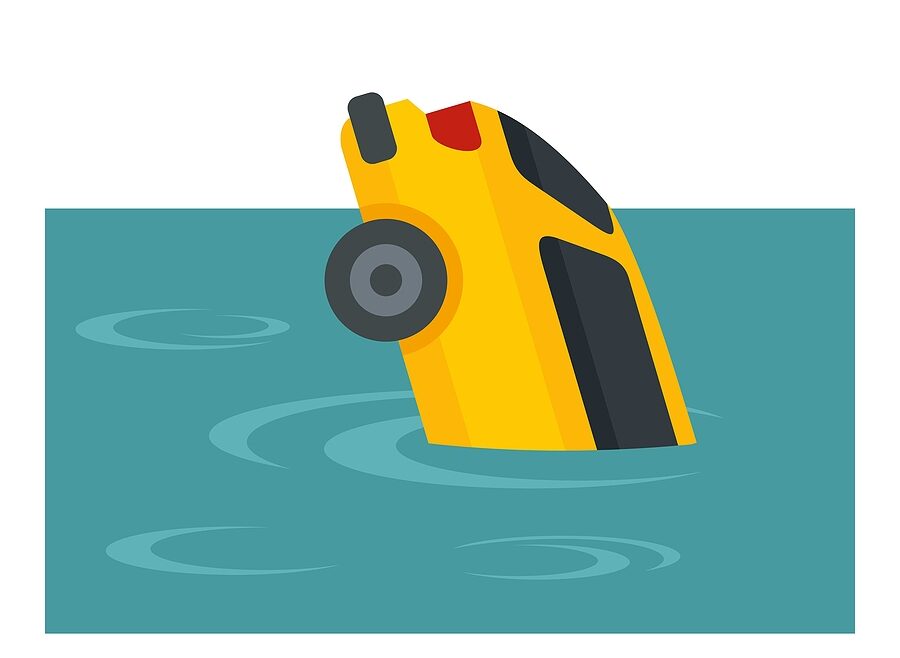
- Severe flood or water damage
- Fire damage
- Theft recovery where the vehicle sustained significant damage
Once a vehicle is branded as salvage, the original title is invalidated and replaced with a salvage certificate of title from the Indiana Bureau of Motor Vehicles (BMV).
Implications of Owning a Salvage Title Vehicle
Salvage title vehicles cannot be legally driven on Indiana roads until they are inspected and issued a rebuilt title. They’re also difficult—sometimes impossible—to insure through standard carriers. Resale value drops significantly, and many buyers are understandably cautious.
On the flip side, salvage vehicles are often sold at steep discounts. Experienced mechanics or auto enthusiasts sometimes purchase them intentionally, with plans to restore and rebuild.
Rebuilt Titles in Indiana: Giving Cars a Second Life
A rebuilt title is issued to a previously salvaged vehicle that has been repaired and passed a state inspection. It’s the official designation that a once-totaled car has been restored to roadworthy condition.
The Process of Obtaining a Rebuilt Title in Indiana
To convert a salvage title to a rebuilt title in Indiana, the vehicle must:
- Be repaired to meet Indiana’s roadworthiness standards
- Pass a physical inspection conducted by the Indiana State Police
- Be submitted to the BMV with proof of repairs, including receipts for parts and labor
Once approved, the BMV issues a rebuilt title, which clearly states the vehicle’s prior salvage history. This designation stays with the car permanently—it cannot be “cleaned” over time.
Buying a Rebuilt Title Vehicle: What to Consider
Rebuilt title vehicles are generally cheaper than their clean title counterparts, which makes them appealing to budget-conscious buyers. However, there are real trade-offs to weigh.
Insurance can be harder to obtain and often excludes comprehensive or collision coverage. Resale value remains lower than a comparable clean title vehicle. And while the car passed inspection, the quality of repairs can vary significantly depending on who did the work.
If you’re seriously considering a rebuilt title vehicle, have it independently inspected by a trusted mechanic before purchasing. Ask for all repair documentation and run a full vehicle history report.
Other Indiana Title Designations
Beyond clean, salvage, and rebuilt, Indiana uses a few additional title brands that buyers and sellers should know about.
Flood Titles
A flood title—sometimes recorded as a water damage brand—is assigned to vehicles that have sustained significant water or flood damage. Even if a flooded vehicle appears to run fine after repairs, long-term electrical and mechanical problems are common. Indiana may brand these titles separately from standard salvage designations, so always check the full title history.
Odometer Brands
If a vehicle’s odometer has been tampered with, rolled back, or is otherwise inaccurate, Indiana will brand the title accordingly. Common odometer brands include “actual mileage unknown” or “exceeds mechanical limits.” These brands protect buyers from being misled about a vehicle’s true wear and usage.
Frequently Asked Questions About Indiana Car Titles
Can I register a salvage car in Indiana?
No. A salvage title vehicle cannot be registered or legally driven in Indiana until it has been repaired, inspected by the Indiana State Police, and issued a rebuilt title through the BMV.
How do I check the title history of a car in Indiana?
You can check a vehicle’s title history by running a report through the National Motor Vehicle Title Information System (NMVTIS) or a third-party service like Carfax or AutoCheck. The Indiana BMV also provides title and registration lookup tools for registered users.
What’s the difference between a junk title and a salvage title?
A salvage title means the vehicle was totaled but may still be repaired and returned to the road. A junk title—sometimes called a certificate of junk—is issued for vehicles that are beyond economical repair and are only suitable for parts or scrap metal. Junk-titled vehicles cannot be rebuilt or re-titled for road use in Indiana.
Making Informed Decisions on Indiana Car Titles
Car titles carry more weight than most buyers realize. A clean title signals a straightforward ownership history. A salvage title signals serious past damage. And a rebuilt title sits somewhere in between—a repaired vehicle with a permanent record of its past.
Before buying or selling any used vehicle in Indiana, always verify the title status, run a vehicle history report, and consult the Indiana BMV if anything seems unclear. A few minutes of research upfront can prevent significant financial and legal headaches down the road.
Got a junk car sitting in your driveway? Turn it into fast cash with GC’s Junk Cars in Indianapolis, Indiana. GC’s Junk Cars offers free towing and pays cash on the spot—no hassle, no hidden fees. Call GC’s Junk Cars today for your free offer and get rid of that clunker the easy way.
Related Posts:
How to Transfer Ownership of a Junk Vehicle: A Car Title Guide
How to Get a Duplicate Car Title in Indianapolis
Why is a Car Title Required to Sell a Scrap Car in Indiana?