What Your Dashboard Warning Lights Really Mean And When to Worry

Your car’s dashboard serves as a communication center between you and your vehicle, displaying vital information through various warning lights and symbols. While these illuminated indicators might seem mysterious or intimidating, understanding what they mean can save you from costly repairs and potentially dangerous situations. Dashboard warning lights are your car’s way of alerting you to issues before they become major problems.

Many vehicle owners feel overwhelmed when faced with these car warning symbols, especially those who aren’t mechanically inclined. The truth is, you don’t need to be an expert mechanic to understand the basics. Vehicle indicator meanings follow a logical system based on color coding and symbol design that anyone can learn to interpret.

This comprehensive guide will help you decode the most common dashboard warning lights, understand their urgency levels, and know when immediate action is required versus when you can safely continue driving to a service center.

Call 317-608-2188 to Speak With Our Totaled Car Buyers in Indianapolis

Understanding the Color-Coded Warning System in Cars & Trucks

Dashboard warning lights aren’t randomly colored—each hue carries specific meaning about the severity and urgency of the issue your vehicle is experiencing.

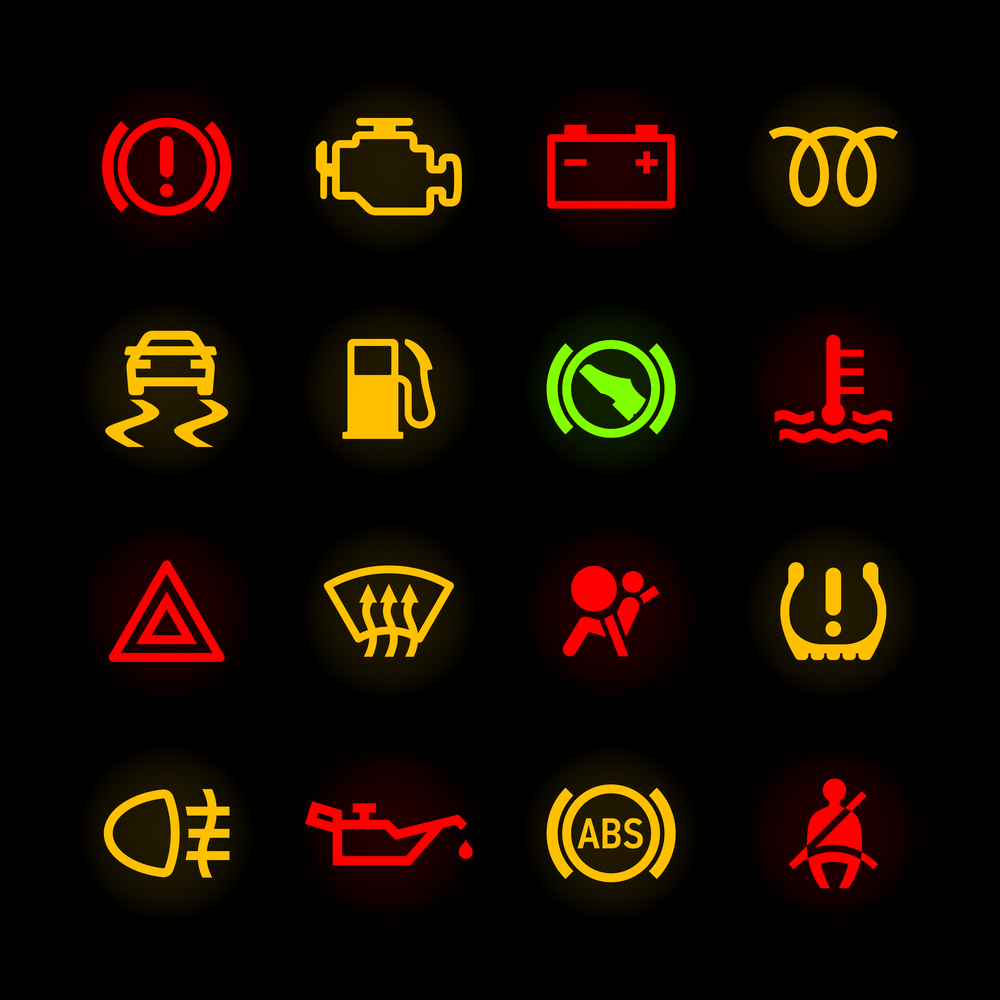
Red warning lights signal immediate danger or critical system failure. These require your immediate attention and often mean you should stop driving as soon as it’s safe to do so. Continuing to drive with an active red warning light can result in severe damage to your vehicle or compromise your safety.

Yellow or amber warning lights indicate caution. These lights suggest that a system needs attention but doesn’t pose an immediate threat. You can typically continue driving, but you should address the issue soon to prevent it from escalating into a more serious problem.

Green or blue indicator lights are informational rather than warning lights. These simply confirm that certain systems are active or functioning normally, such as your turn signals or headlights.

Critical Red Warning Lights That Demand Immediate Action

Brake System Warning Light

The brake system warning light typically appears as a circle with an exclamation point or the word “BRAKE” inside parentheses. This light indicates issues ranging from low brake fluid to ABS malfunctions. When this light activates, your vehicle’s stopping power may be compromised.

If you see this light, pull over safely as soon as possible and check your brake fluid level. Low brake fluid often points to worn brake pads or a leak in the system. Never ignore this warning—your ability to stop safely depends on a properly functioning brake system.

Oil Pressure Warning Light

Usually depicted as an oil can or the word “OIL,” this warning light signifies critically low oil pressure, which can cause severe engine damage. Your engine relies on oil pressure to lubricate moving parts and prevent metal-on-metal contact that can destroy internal components.

When this light appears, stop driving immediately. Check your oil level using the dipstick, and add oil if it’s low. However, if the oil level appears normal, you likely have a more serious problem with your oil pump or pressure sensor that requires professional diagnosis.

Engine Temperature Warning Light

This light, often shown as a thermometer in liquid or a temperature gauge, warns of engine overheating, potentially leading to blown head gaskets or complete engine failure. Overheating can warp engine components and create expensive damage within minutes.

If you see this light, turn off your air conditioning immediately and turn on your heater to help dissipate heat from the engine. Pull over safely and allow the engine to cool completely before checking coolant levels. Never remove the radiator cap while the engine is hot, as pressurized coolant can cause severe burns.

Battery Alert

The battery warning light, typically shown as a battery symbol, indicates charging system issues, from a failing alternator to a loose battery connection. This doesn’t necessarily mean your battery is dead—it often points to problems with the charging system that keeps your battery powered while driving.

When this light activates, your vehicle is running solely on battery power, which will eventually drain completely. You may have enough power to reach a service center, but avoid using unnecessary electrical components like air conditioning or radio to conserve battery life.

Sell a Totaled Car for Cash Payment Today! 💰

Important Yellow and Amber Warning Lights

Check Engine Light

Perhaps the most misunderstood of all dashboard warning lights, the check engine light can indicate dozens of different issues, from a loose gas cap to serious engine problems. This light is connected to your vehicle’s onboard diagnostic system and stores error codes that help identify the specific problem.

While a steady check engine light usually means you can continue driving, a flashing check engine light indicates a more serious issue that could damage your catalytic converter. Common causes include faulty oxygen sensors, catalytic converter issues, or emissions system problems.

ABS Warning Light

The Anti-lock Braking System (ABS) warning light appears when there’s a malfunction in this safety system. While your regular brakes will still function, you’ll lose the anti-lock capability that prevents wheel lockup during hard braking, especially on slippery surfaces.

You can continue driving with an ABS warning light, but exercise extra caution in wet or icy conditions where ABS would normally provide additional safety benefits.

Tire Pressure Warning Light

This light, often depicted as a cross-section of a tire with an exclamation point, activates when one or more tires have significantly low air pressure. Proper tire pressure is crucial for safe handling, fuel efficiency, and tire longevity.

Check your tire pressures as soon as possible and inflate to the recommended PSI listed in your owner’s manual or on the driver’s side door jamb sticker.

Advanced Safety System Indicators

Traction Control Light

Modern vehicles equipped with traction control systems use this light to indicate when the system is actively working to prevent wheel spin or when there’s a malfunction. A briefly flashing traction control light during acceleration on slippery surfaces is normal operation.

However, if the light stays on continuously, it may indicate a problem with the system’s sensors or components.

Airbag Warning Light

The airbag warning light, usually showing a seated figure with a circular airbag, indicates a malfunction in your vehicle’s supplemental restraint system. This is a serious safety concern because it may mean your airbags won’t deploy in an accident or could deploy unexpectedly.

Have this system diagnosed immediately, as airbag malfunctions pose significant safety risks.

Using Technology

Modern vehicles equipped with OBD-II (On-Board Diagnostics) systems can provide detailed error codes that help pinpoint specific problems. You can purchase an inexpensive OBD-II scanner or visit an auto parts store that offers free code reading services.

These diagnostic codes provide valuable information that can help you understand the severity of the problem and communicate more effectively with repair technicians.

Common Misconceptions

Many drivers believe that all warning lights signal immediate disaster, but this isn’t accurate. While red lights require urgent attention, yellow and amber lights often indicate issues that need addressing but don’t pose immediate danger.

Another dangerous misconception is that ignoring warning lights will make them disappear. Warning lights are designed to persist until the underlying problem is resolved. Ignoring them typically leads to more expensive repairs and potential safety hazards.

Some vehicle owners avoid checking warning lights due to fear of expensive car repair costs. However, addressing issues early often prevents minor problems from becoming major, costly failures. A simple sensor replacement might prevent engine damage that could total your vehicle.

When Warning Lights Signal the End

Sometimes, dashboard warning lights reveal problems so extensive that repair costs exceed your vehicle’s actual cash value. When faced with expensive car repair estimates for high cost car parts like engine or transmission replacement, you might find yourself dealing with what’s essentially a totaled car.

If multiple warning lights appear simultaneously or diagnostic tests reveal catastrophic engine or transmission damage, the repair costs could easily exceed your vehicle’s worth. Rather than investing thousands in repairs for an aging vehicle, you have alternatives.

Maintaining Your Vehicle’s Health

Regular maintenance can prevent many warning light scenarios. Follow your vehicle’s recommended service schedule for oil changes, fluid checks, and system inspections. Addressing small issues during routine maintenance often prevents them from becoming warning light emergencies.

Keep a basic understanding of your vehicle’s normal operating sounds and behaviors. Changes in performance, unusual noises, or different handling characteristics often precede warning light activation.

Making the Right Decision When Repairs Exceed Value

When dashboard warning lights reveal extensive damage and repair estimates become overwhelming, remember that you have options beyond expensive repairs. Sometimes the most practical solution is to sell your vehicle rather than invest in costly repairs that exceed its value.

GC’s Junk Cars specializes in purchasing vehicles regardless of their condition, including those with extensive mechanical problems indicated by multiple dashboard warning lights. If you’re facing expensive car repair bills that don’t make financial sense, consider this alternative.

Sell your totaled vehicle today and avoid the stress and expense of major repairs that might not be worth the investment.

Call Now For a Free Offer

Related Post: Why is My Check Engine Light Flashing?

How to Dispose of Old Gasoline Safely and Responsibly

Gasoline is an essential fuel for many vehicles and machines, but over time, it can degrade and become unsafe to use. Whether you’ve discovered a forgotten gasoline can in your garage or drained fuel from a junk car, knowing how to dispose of old gasoline is essential. Improper disposal can lead to environmental harm, safety hazards, and even legal consequences.

This comprehensive guide will walk you through everything you need to know about disposing of old gasoline responsibly, including its risks, safe disposal methods, and even how to prevent automotive fuel from going bad in the first place.

Call 317-608-2188 to Get a Free Offer From Our Local Junk Car Lot in Indianapolis Indiana

Understanding the Risks of Improper Gasoline Disposal

Gasoline is a highly flammable and toxic chemical, so mishandling it can be dangerous. Here’s why disposing of it correctly matters:

  • Environmental Hazard: Pouring gasoline onto the ground or down a drain can contaminate soil and waterways. Just one gallon of gasoline can pollute millions of gallons of water.
  • Health and Safety Risks: Gasoline fumes are harmful to inhale, and improper storage or disposal can lead to severe accidents, including fires and explosions.
  • Legal Consequences: Improper disposal of hazardous waste like gasoline can result in fines or legal action in many jurisdictions.

By understanding these risks, you can appreciate the importance of following proper automotive fuel disposal methods.

Step-by-Step Methods for Safe Gasoline Disposal

If you’re wondering where to start, follow these step-by-step methods to safely and responsibly dispose of old gasoline.

1. Contact Local Hazardous Waste Disposal Centers

The safest and most reliable method is to take your old fuel to a local hazardous waste disposal facility. These centers are specifically equipped to handle flammable liquids like gasoline.

  • How to find one: Check online directories or contact your local government for hazardous waste disposal drop-off locations near you.
  • What to expect: Some facilities have designated drop-off days for household hazardous waste, so call ahead to confirm.

2. Use Gasoline Recycling Programs

Many municipalities or private eco-friendly organizations offer fuel recycling programs. These initiatives safely refine and reuse old gasoline, ensuring it’s handled responsibly.

3. Contact Local Fire Departments

Some fire departments provide guidance on safe gasoline disposal or may even accept small quantities of old fuel. Always call ahead to inquire about their services.

4. Consider Gasoline Blending

If the automotive fuel is only slightly degraded, you may blend it with fresh fuel to use in your vehicle’s tank. However, avoid using more than a 1-to-10 ratio of old to fresh fuel, as it could harm your engine.

Schedule Free Car Disposal in Central Indiana

Preparing for Disposal Safely

Before transporting or storing old gasoline for disposal, follow these safety precautions:

  • Wear Gloves and Eye Protection: Gasoline can irritate skin and eyes, so protect yourself with proper gear.
  • Choose Approved Containers: Use certified fuel containers with secure lids to prevent leaks and spills.
  • Ensure Ventilation: Work in a well-ventilated area to avoid inhaling harmful fumes.
  • Avoid Open Flames: Keep gasoline away from candles, sparks, or any other source of ignition to prevent fires or explosions.

Taking these steps ensures your safety and minimizes risks during the disposal process.

Recycling and Reusing Old Gasoline

Recycling old automotive fuel is not only safe but also eco-friendly. Here’s how it works:

  • Recycling at Waste Facilities – Your old fuel can be refined and reused for industrial applications. Check with local recycling services to see if they accept gasoline.
  • Donating Gasoline – Some farms or construction sites accept old gasoline for machinery, but be sure to verify that they can safely store and use it.
  • Using Old Gasoline as a Solvent – Old gasoline can serve as a cleaning solvent for greasy tools or car parts. If you opt for this, exercise caution and work in a well-ventilated space.

How to Prevent Gasoline From Going Bad

Prevention is the best way to avoid the hassle of disposing of old gasoline. Here are a few tips to keep your gasoline fresh:

  • Use Fuel Stabilizers: Add a fuel stabilizer to your gasoline if you plan to store it for an extended period. This slows down the breakdown of fuel.
  • Store in Approved Containers: Keep gasoline in certified containers with airtight seals to prevent evaporation and contamination.
  • Rotate Stock Regularly: Use older gasoline first so it doesn’t have time to degrade.
  • Avoid Storing Fuel for Too Long: Gasoline typically has a shelf life of 3 to 6 months. Label containers with the date of purchase to track how long it’s been stored.

Have a Junk Car in Indianapolis? Sell it to GC’s Junk Cars!

If you’re dealing with old gasoline from a junk car and wondering what to do with the vehicle itself, GC’s Junk Cars in Indianapolis has you covered. We specialize in responsible auto part and scrap car disposal in the greater Indianapolis area.

Why Choose GC’s Junk Cars?

  • Instant Cash Payment: Get paid on the spot for your junk car!
  • Free Junk Car Removal: Our hassle-free towing service makes disposal easy.
  • Environmentally Responsible: We recycle auto parts and metals to minimize environmental impact.
  • Support Local Community: Work with a local business that prioritizes eco-friendly practices.

How to Sell Your Junk Car to GC’s Junk Cars:

  1. Contact Us: Call 317-608-2188 or fill out our online form with your vehicle details.
  2. Get a Free Quote: Receive a no-obligation cash offer.
  3. Schedule Pickup: Arrange for free junk car removal at a time that works for you.
  4. Get Paid: Receive cash for your car upon pickup, no hidden fees.

Don’t waste time or risk improper disposal. Trust GC’s Junk Cars to make the process simple, rewarding, and environmentally responsible.

Responsible Fuel Disposal Matters

Disposing of old gasoline and junk cars responsibly isn’t just about following the rules; it’s about protecting the environment, reducing hazards, and contributing to a sustainable future. Whether you need to recycle gasoline or sell a junk car, there’s a safe and simple solution for you.

Contact GC’s Junk Cars today to get cash for your junk car or automotive parts, and enjoy free towing in the Greater Indianapolis areas. See how much your scrap car or parts are worth!

Request a Free Assessment Now

Related Post: Toxic Materials in Junk Cars and How to Safely Get Rid of Them

Is Your Car Having Trouble Steering? Common Causes and Solutions

Your vehicle’s steering system is one of its most essential components. It provides you with control, stability, and safety on the road. When steering problems arise, they can quickly escalate into serious safety concerns, escalating risks for both the driver and others. Whether your steering wheel is stuck, shaking, or feels loose, knowing the underlying causes and solutions is paramount to maintain both your safety and the lifespan of your car.

This guide will walk you through the common symptoms, root causes, and valuable tips to troubleshoot and address steering issues effectively. Additionally, we’ll provide essential maintenance advice to prevent these problems from happening in the first place.

Call 317-608-2188 to Speak With Our Indiana Auto Salvage Yard About Your Totaled Ride

Common Symptoms of Steering Problems

Steering problems rarely pop up without warning. Understanding the early signs can help you take action before minor issues turn into costly repairs. Here are the most common symptoms to watch for:

1. Hard to Turn the Wheel

If your steering wheel is hard to turn, the problem is often related to the power steering system. You might particularly notice this when driving at low speeds or in tight spaces such as parking lots.

2. Steering Wheel Stuck or Sticking

A stuck steering wheel or the sensation that it sticks while turning could indicate a range of issues, from problems with the steering column to faulty bearings.

3. Loose Steering

A loose steering wheel may feel as though there’s little connection between your inputs and the vehicle’s response. This could result from worn-out tie rods, ball joints, or even the steering rack.

4. Pulling to One Side

If your vehicle drifts or pulls to one side while driving, it’s often tied to wheel misalignment or uneven tire pressure. This problem can also signal damaged or worn suspension components.

5. Steering Wheel Shaking

A shaking steering wheel can be unnerving, especially at higher speeds. This typically points to wheel balance issues, uneven tire wear, or even warped brake rotors.

6. Unusual Noises

Clunking, squealing, or grinding noises when you turn the wheel often indicate worn or failing components, such as ball joints or the power steering pump.

By paying attention to these symptoms, you can address steering issues before they develop into unsafe driving conditions.

Potential Causes of Steering Difficulty

Steering problems can stem from a variety of mechanical and technical issues. The most common causes are:

Power Steering Problems

Your power steering system is crucial for effortless steering. Key issues include:

  • Low Power Steering Fluid: Without sufficient hydraulic fluid, your power steering system won’t operate effectively.
  • Leaking Power Steering Pump: A malfunctioning pump can lead to a loss of fluid and reduced functionality.
  • Electronic Power Steering Issues (in newer vehicles): Faulty sensors or electrical failures can disrupt steering.

Worn Steering Components

Over time, essential parts of your steering system can wear out:

  • Tie Rods and Ball Joints: These small but significant parts transmit your wheel movements. When worn, steering becomes loose or unresponsive.
  • Steering Rack: This critical component translates your wheel rotation into tire movement.

Tire and Wheel Issues

Tires play an integral role in your steering system:

  • Low or Uneven Tire Pressure affects your ability to control the vehicle, leading to pulling or difficulty turning.
  • Wheel Misalignment impacts steering precision.
  • Damaged Tires or Wheels can cause instability and vibration.

Suspension Problems

Suspension components, such as control arms and bushings, work closely with your steering system. If worn or damaged, they can lead to pulling or inconsistent handling.

By understanding these common causes, you’ll be better equipped to identify and address the root of the problem.

Is Your Car Repair Bill Too High? Here’s Advice

Troubleshooting Your Steering Wheel Problem

While some steering issues require a professional mechanic, there are basic steps you can take to assess the problem:

1. Check Power Steering Fluid

  • Locate your vehicle’s power steering fluid reservoir.
  • Ensure the fluid level is between the minimum and maximum marks.
  • Look for leaks beneath the vehicle or near the pump.

2. Inspect Your Tires

  • Ensure all tires are inflated to the recommended pressure.
  • Check for uneven tire wear or visible damage.

3. Examine the Steering Components

  • Look for visible damage or wear on tie rods, ball joints, and the steering rack.
  • (Note that a mechanic may be needed for thorough inspection.)

4. Test for Pulling

  • Drive on a straight, flat road. If your car pulls to one side, it could be due to low tire pressure, wheel misalignment, or suspension issues.

5. Listen for Noises

  • Turn the steering wheel while parked and listen for any squealing, clunking, or grinding noises that might indicate specific issues.

While these checks are helpful, professional assistance is often necessary to fully resolve steering problems.

When to Seek Professional Help

Not every steering issue can be solved with a quick DIY fix. You should consult a qualified mechanic if:

  • The issue persists after basic troubleshooting.
  • Your steering wheel won’t turn at all.
  • You hear loud clunking or squealing noises.
  • The steering wheel is shaking heavily, especially at higher speeds.
  • Your vehicle becomes difficult to control.

Ignoring steering issues can lead to costly repairs or, worse, accidents. Promptly addressing any problems is essential for your safety.

Maintenance Tips to Prevent Steering Issues

Preventative care is the most effective way to ensure your vehicle’s steering system remains reliable. Here’s what you can do:

  • Keep Power Steering Fluid Topped Up: Check your fluid levels regularly and look out for any signs of leaks.
  • Replace Worn Components: Have your tie rods, ball joints, and belts inspected routinely, especially if your vehicle has high mileage.
  • Ensure Proper Tire Maintenance: Keep your tires inflated to the correct PSI, rotate them regularly, and ensure proper wheel alignment.
  • Schedule Regular Inspections: Take your car for routine checkups to identify and address potential steering or suspension issues.
  • Address Unusual Noises Promptly: Don’t ignore odd sounds during steering, as they could indicate parts that need immediate attention.

Implementing these habits will prolong the life of your vehicle’s steering system and reduce the likelihood of unexpected repairs.

In Summary

Steering issues are more than just inconvenient—they’re a serious safety hazard. Recognizing the steering wheel problems outlined above and taking prompt action can save you time, money, and stress in the long run. Your safety is worth it.

However, extensive repairs may not always make financial sense. If the cost of fixing your steering system exceeds your vehicle’s value, consider selling your car as-is to GC’s Junk Cars in Indianapolis. For more expert tips on vehicle maintenance and safety, explore our blog.

Get a Free Junk Car Offer Now

Related Post: The Importance of Keeping Your Car’s Fluids Topped Off

Auto Repair Scams to Avoid and How to Protect Yourself 

No one likes the feeling of being taken advantage of, especially when it involves your car. Your vehicle is a big investment, and keeping it in good condition can quickly become costly. However, not all repair shops operate with integrity. Auto repair scams are more common than you might think, leaving unsuspecting car owners with empty wallets and unnecessary headaches.

This guide will walk you through the most common auto repair scams, how to spot them, and steps you can take to avoid becoming a victim. By the end, you’ll feel more confident and equipped to make informed decisions when it comes to car repairs.

Call 317-608-2188 to Scrap Your Vehicle to Our Trusted Car Buyers in Indianapolis Indiana

Understanding Unnecessary Repairs 

One of the most prevalent scams in auto repair shops is being upsold unnecessary repairs. This tactic preys on customers who may not have detailed knowledge of what their car truly needs.

How to Recognize Unnecessary Repairs 

  • Vague Explanations: Mechanics may use unclear jargon like “your car needs some work” without detailing what exactly needs attention.
  • Surprise Problems: You went in for an oil change, but suddenly, you’re told the brake system is failing. While it could be true, it’s worth verifying.
  • Aggressive Pitching: They may push you to decide immediately, often using scare tactics to create urgency.

How to Avoid Them 

  • Ask for a detailed breakdown of what’s supposed to be wrong and why the repair is necessary.
  • Research the recommended repairs online or consult your car’s user manual.
  • Use diagnostic tools like OBD-II scanners (if capable) to double-check any error codes yourself.

Sell a Junk Car in Indy

Spotting Bait and Switch Tactics 

Have you seen ads offering shockingly low prices for a common service? It might be too good to be true. With bait-and-switch tactics, shops lure you in with attractive promotions only to inflate the bill with hidden fees or unnecessary add-ons. 

Red Flags to Watch For 

  • Insufficient Details in Ads: Watch for fine print like “additional charges may apply.”
  • Miraculously Increased Costs: If a basic service suddenly costs more because “your car has unique requirements,” dig deeper.
  • Pressure to Commit: Some mechanics will claim the advertised deal isn’t available unless you agree to immediate, higher-cost extras.

Protect Yourself 

  • Always clarify the exact price before agreeing to the service.
  • Bring along the advertisement or email and ensure the shop honors it.
  • Be willing to walk away if the price inflates without a justifiable explanation.

Avoiding the Parts Replacement Scam 

Sometimes, the most expensive repairs aren’t even necessary. Shops have been known to charge for replacing parts that were never faulty, or worse, never replaced at all. 

The Phantom Repair 

This classic scam involves a mechanic charging you for a part that was supposedly installed or replaced, but in reality, no such work was done. The mechanic may claim the part was essential for your car’s performance or safety, leaving you to pay for something that doesn’t actually exist under the hood. This type of dishonesty can be hard to catch unless you’re vigilant or get a second opinion.

How to Stay Safe 

  • Ask for the Old Part Back: Request to keep any parts they claim to have replaced.
  • Mark Your Parts: Before visiting a mechanic, subtly mark parts like your oil filter or battery. When you get your car back, check to see if that part has been replaced.
  • Verify the Source: Ask for receipts or information on where replacement parts were sourced.

The Value of Getting a Second Opinion 

Many car owners don’t realize how beneficial it is to get a second opinion on a repair quote. Mechanics don’t always agree on diagnosis or pricing, and shopping around could save you hundreds of dollars. 

Why It Works 

  • Compare Costs: A different shop might offer the same service for less.
  • Expose Dishonesty: An honest mechanic will give similar or identical quotes, while an untrustworthy one might hike prices.
  • Increase Confidence: Once you’ve consulted others, you’ll feel more confident about proceeding with the repair.

How to Get It Right 

  • Look for reviews and recommendations before visiting a shop for a second opinion.
  • Clearly explain what the first mechanic suggested without biasing the second repair shop’s evaluation.
  • Be transparent about your goals. For example, you want to confirm whether certain repairs are actually necessary or just upsells.

Other Common Scams to Be Aware Of 

These examples may seem straight out of a car repair horror story, but they’re all too real. Watch out for these additional scams: 

The Scare Tactic 

You’re told your car is in “serious danger” of breaking down unless you authorize immediate repairs. While some issues can’t wait, it’s worth questioning the urgency. 

The Misdiagnosis 

Minor issues are framed as severe problems. For example, a loose clamp is described as a failing transmission. 

The Lowball Offer 

An incredibly cheap estimate is bait for an invoice loaded with hidden charges later. 

Unauthorized Work 

The mechanic goes ahead with extra repairs without your formal consent and charges you for them. 

How to Avoid Scams Altogether 

  • Do Your Homework: Research auto repair shops in your area and read reviews before making a visit.
  • Ask for Written Estimates: This leaves less room for disputes later on and ensures the mechanic is held accountable for the quoted price.
  • Certifications Matter: Look for ASE-certified technicians or shops with recognized affiliations that show their commitment to honest service.
  • Trust Your Instincts: If something doesn’t feel right, walk away.

Take Back Control 

You don’t need to be a car expert to protect yourself from auto repair scams. Recognizing common red flags, asking the right questions, and demanding transparency can go a long way in saving you money and stress. 

Still feeling overwhelmed with frequent repairs? It might be time to say goodbye to your car altogether. Consider selling your broken-down vehicle to GC’s Junk Cars instead of pouring more money into questionable repairs! We pay cash on the spot and offer free towing!

Get a Free Quote Now

Related Post: Why Is My Car Repair So Expensive? Unpacking the Cost of Automotive Fixes

Keep Your Car Wired Right: Diagnosing and Preventing Electrical Repairs

Modern vehicles rely heavily on their electrical systems for everything—from starting the engine to powering navigation and advanced safety features. Electrical issues can range from minor inconveniences to significant malfunctions that leave you stranded without warning. Understanding the types of automotive electrical repairs and how to prevent them can save you time, money, and frustration.

This guide will walk you through common electrical problems, their solutions, and preventative maintenance tips to keep your vehicle running smoothly.

We Buy Totaled Cars! Call 317-608-2188 for a Free Offer!

Types of Automotive Electrical Repairs

Car Battery Problems 

The battery is the heart of your car’s electrical system, providing the power to start your engine and run accessories when the vehicle is off. However, battery problems are one of the most common auto electrical repair issues car owners face.

Symptoms of a Bad Battery 

  • Engine won’t start: A dead battery often results in a clicking noise when turning the ignition. 
  • Dim lights: Fading headlights, cabin lights, or dashboard displays may indicate low power. 
  • Battery warning light: Modern vehicles often display a battery icon on the dashboard when issues arise. 

Causes of Battery Problems 

  • Corrosion: Accumulated rust or gunk on terminals can prevent proper contact and disrupt power flow. 
  • Parasitic drain: Devices like GPS trackers can drain your battery over time, especially in hybrid vehicles like the Toyota Prius. 
  • Old age: Batteries typically last 3-5 years, depending on their quality and maintenance.

Preventative Measures 

  • Regularly inspect and clean battery terminals to remove corrosion. 
  • Reduce battery strain by turning off headlights and electronics when the engine is off. 
  • Check battery voltage during routine services to monitor its health.

Alternator Issues 

The alternator charges the battery and supplies power to your car’s electrical components while driving. When the alternator fails, your vehicle won’t run for long.

Signs of a Failing Alternator 

  • Dead battery: A weak alternator causes the battery to drain faster than usual. 
  • Warning lights: Look out for the battery or alternator warning lights on your dashboard
  • Electrical glitches: Flickering lights or malfunctioning accessories like power windows can signal alternator trouble. 

Common Causes 

  • Heavy usage: Vehicles like the Ford F-150 often experience alternator failures due to powering multiple heavy-duty systems. 
  • Worn belts and pulleys: Poor maintenance can cause mechanical issues in the alternator’s drive system.

Maintenance Tips 

  • Periodically inspect the alternator belt for wear and tension. 
  • Limit extended idling with high-power devices like air conditioning or sound systems on. 
  • Consider a higher-capacity alternator if your vehicle frequently powers additional accessories.

How to Identify a Bad Alternator

Wiring and Fuse Problems 

Your car’s electrical “nervous system” is made up of wiring harnesses and fuses that distribute electricity to various components.

Identifying Faulty Wiring or Blown Fuses 

  • Frequent fuse blowouts: Repeated issues in the same circuit might point to underlying wiring problems. 
  • Burning smell: Faulty wiring can create excess heat, potentially melting insulation. 
  • Intermittent power loss: Older vehicles, like classic Ford Mustangs, often suffer from worn insulation and brittle wiring.

Understanding Your Fuse Box 

Every vehicle has a fuse box with labeled fuses assigned to different components. Use your owner’s manual to identify which fuse corresponds to an issue, and carry spare fuses for quick replacements.

Prevention Tips 

  • Keep your vehicle clean to minimize exposure to moisture and debris, which can damage wiring over time. 
  • Avoid overloading circuits with aftermarket accessories that require additional power. 

Lighting Problems 

Headlights, taillights, and signal lights are essential for nighttime driving and overall safety. Light malfunctions can create dangerous situations on the road.

Troubleshooting Car Light Issues 

  • Burned-out bulbs: Standard bulbs have a limited lifespan and will need replacements. 
  • Dim headlights: Moisture in sealed light casings or electrical faults in modern SUVs like the Jeep Grand Cherokee can cause reduced brightness. 
  • No response from a light system: A blown fuse might disable entire lighting systems. 

Preventative Steps 

  • Replace bulbs immediately when they start to dim or show flickering. 
  • Check for cracks or seals in light casings to prevent water damage. 
  • Test all lights (headlights, brake lights, indicators) regularly to ensure they’re working properly.

Preventative Maintenance Tips for Electrical Systems 

Keeping your vehicle’s electrical system in top shape often comes down to proactive care. Here’s how to stay ahead of automotive electrical malfunctions:

  • Regular Inspections: Have the entire electrical system checked at least once a year by a professional specializing in automotive diagnostics. 
  • Stay Clean: Keep under-hood areas free of debris that could impact wiring or battery performance. 
  • Adhere to Maintenance Schedules: Follow the manufacturer’s guidelines for servicing electrical components. 
  • Use High-Quality Parts: Opt for reputable brands when replacing batteries, alternators, or wiring to ensure durability. 
  • Stay Weather-Prepared: Cold weather drains batteries, so always test your battery’s charge and functionality before winter. 

When Expensive Repairs Become a Total Loss 

Despite your best efforts, some electrical repairs may become so extensive that fixing your vehicle is no longer economical. This situation, referred to as a total loss, occurs when the cost of repairs exceeds the car’s market value. 

Electrical damage often requires costly diagnostics and part replacements, especially in European vehicles like the BMW 3 Series, where complex fuse box malfunctions are common. An insurance adjuster will typically assess whether repairs are worth pursuing.

If your car is deemed a total loss, you may want to consider alternative options like selling the vehicle to a reputable auto salvage yard, which can still offer some value for parts or scrap.

Benefits of Selling to an Auto Salvage Yard 

If your car’s electrical damage has made it unsalvageable for road use, selling to an auto salvage yard offers several advantages:

  • Convenience: No need to worry about attempting costly or impractical repairs. 
  • Environmental Impact: Salvage yards properly dismantle vehicles, recycling usable parts and responsibly disposing of hazardous materials. 
  • Quick Cash: Get immediate payment for a vehicle that might otherwise sit idle.

Conclusion

When it comes to automotive electrical repair, prevention is always better than cure. By periodically inspecting your vehicle, staying proactive with maintenance, and addressing minor issues early, you’ll save yourself a lot of stress and expense down the road. 

If you’re dealing with a severely damaged electrical system, remember to explore your options. Whether it’s learning more about total loss or negotiating with an auto salvage yard, there’s always a way to make the best of a challenging situation. Don’t wait until your car leaves you stranded; take the steps now to keep it wired right! 

Looking to get rid of an old or totaled car for an instant cash payment. We can help with that! Contact GC’s Junk Cars at 317-608-2188 to get an instant offer for your vehicle. Our team provides free junk car removal and never charges hidden fees.

Get a Free Junk Car Offer Now!

Related Post: High-Priced Problems: The Most Expensive Car Repairs Revealed

7 Ways to Improve Fuel Efficiency and Save Money 

Keeping your vehicle fuel efficient isn’t just about saving at the pump. It’s also a key step toward reducing your carbon footprint, making your daily commute more affordable, and minimizing wear and tear on your car. Whether you’re driving a Honda, GMC, Ford, Toyota, Kia, or Nissan, adopting the right strategies can drastically improve your fuel consumption and MPG (miles per gallon). 

This guide breaks down everything you need to know, from the driving habits that increase efficiency to the best maintenance practices for your ride. 

Call 317-608-2188 to Get a Quote From a Local Indianapolis Junk Car Buyer

Driving Habits That Impact Fuel Consumption 

The way you drive has a direct effect on your vehicle’s fuel efficiency. Small adjustments to your habits can yield big savings. Here are a few key practices to adopt for better Eco-driving:

1. Avoid Sudden Acceleration and Braking 

Aggressive driving, such as speeding up or braking abruptly, wastes fuel. Smooth, gradual acceleration and deceleration can improve your MPG by 15% to 30% on the highway and up to 40% in stop-and-go city traffic. 

2. Use Cruise Control on Highways 

Maintaining a steady speed using cruise control on highways helps optimize fuel consumption and reduces engine strain. However, turn it off in hilly terrains where manual adjustments are needed to avoid unnecessary power use. 

3. Limit Idling Time 

Many people are unaware that idling your car burns fuel without moving you an inch. If you’re waiting in traffic or parked for more than a minute, consider turning off your engine. 

4. Reduce Excess Weight 

Carrying heavy cargo in your vehicle, even in the trunk, increases fuel consumption. Each extra 100 pounds can reduce your MPG by around 1%. Remove unnecessary items from your car to lighten the load. 

Signs of Poor Fuel Efficiency 

Sometimes, identifying poor fuel efficiency can help you address underlying problems early. Watch out for these warning signs:

  • Frequent Fill-Ups: If your trips to the gas station are becoming more frequent, it may indicate your vehicle isn’t running as efficiently as it should. 
  • Warning Lights: Dashboard alerts such as the “Check Engine Light” can point to performance issues affecting MPG. 
  • Unusual Exhaust Smell or Smoke: This could signal problems with your engine or fuel system. 
  • Jerky Acceleration: A struggle to pick up speed often stems from engine or spark plug issues, both of which waste fuel. 

If you notice any of the above, it may be time for professional maintenance. 

Sell Your Junk Car for Instant Cash!

Vehicle Maintenance for Better Mileage 

Proper maintenance ensures your vehicle performs at its best while minimizing fuel consumption. These quick tips can make a noticeable difference for Honda, GMC, Ford, Toyota, Kia, or Nissan owners:

1. Change Oil Regularly 

Stick to your manufacturer’s recommended schedule and use the approved oil type for your vehicle. Quality oil minimizes friction in the engine, which leads to reduced fuel consumption. 

2. Replace the Air Filter 

A clean air filter helps the engine burn fuel more efficiently. Replace it regularly to avoid clogging, particularly if you often drive in dusty or polluted environments. 

3. Monitor Tire Pressure 

Underinflated tires increase rolling resistance, making your engine work harder to move the vehicle. Check your tire pressure monthly and keep it at the optimal levels recommended in your car owner’s manual. 

4. Inspect and Replace Spark Plugs 

Faulty spark plugs cause incomplete combustion, leading to wasted gasoline. Change old or worn out spark plugs as needed for optimal engine performance and fuel efficiency. 

5. Routine Engine Tune-Ups 

Periodic tune-ups can address small inefficiencies in your vehicle’s performance, such as a clogged air filter or worn-out spark plugs, before they escalate into larger, fuel-draining issues that could affect engine health and cost more to repair down the line.

Choosing the Right Tires for Your Car or Truck

The condition and type of tires on your vehicle also influence fuel consumption. 

  • Buy Low Rolling Resistance Tires – These are specifically designed to reduce the energy needed to keep your car rolling, thus improving MPG. 
  • Rotate Tires Regularly – Rotating your tires ensures even wear, which helps maintain their performance and improves fuel efficiency. 
  • Check Alignment – Misaligned tires cause unnecessary drag and force your engine to work harder, hurting your fuel efficiency over time. 

Route Optimization and Trip Planning 

Your driving routes and trip planning play a key role in minimizing fuel consumption. 

  • Avoid Peak Traffic Times – Stop-and-go traffic consumes a significant amount of fuel. If possible, adjust your schedule to drive during off-peak hours. 
  • Use Navigation Apps – Apps like Google Maps can suggest the most fuel-efficient routes, avoiding traffic jams, road closures, and steep inclines that burden your engine. 
  • Combine Multiple Trips into One – Instead of making several short trips, plan your errands so you can complete them in one longer drive. Warmed-up engines are far more efficient than constantly restarting a cold engine. 

Utilizing In-Car Technology 

Modern vehicles come equipped with advanced tech designed to support efficient driving. Here’s how you can leverage yours:

  • Eco Modes – Many models from Honda, Toyota, and Ford feature Eco modes, which adjust settings like throttle response to maximize fuel efficiency. 
  • Fuel Economy Monitors – Dashboard screens in cars such as GMC and Nissan often display real-time fuel consumption data. Use this information to adjust your driving habits on the go. 
  • Adaptive Cruise Control – Much like standard cruise control, this feature helps optimize speed and fuel consumption. However, adaptive versions go a step further by automatically adjusting your speed based on traffic patterns. 

Drive Smarter, Save More 

Improving fuel efficiency isn’t just about saving money; it’s also about reducing your environmental impact and ensuring your vehicle operates at peak performance. By adopting smarter driving habits, staying on top of routine maintenance, and leveraging your car’s technological features, you can make a substantial difference in how much fuel you consume.

Whether you’re a Honda owner exploring Eco mode or a GMC driver focusing on tire pressure, these practical tips apply across the board. Start with small changes today, and over time, you’ll notice the benefits in both your wallet and the planet. Safe and efficient driving! 

Got a car or truck that has no more hope of being fuel efficient? We’d love to buy it from you!  Contact GC’s Junk Cars at 317-608-2188 to get a free offer from a reputable Indianapolis junk car buyer. We pay cash on the spot and free towing!

Request a Free Junk Car Quote Today.

Related Post: Can the Wrong Fuel Damage a Car?

The Importance of Keeping Your Car’s Fluids Topped Off 

When was the last time you checked your car’s fluids? If you can’t remember, it’s probably been too long. Automotive fluids play a vital role in ensuring your car runs smoothly and safely. From lubricating moving parts to maintaining the right temperature, neglecting your car’s fluid levels could lead to significant damage and costly repairs. 

This guide will walk you through the six key fluids you need to monitor as a car owner, whether you’re a seasoned DIY mechanic or a new driver. By the end, you’ll understand why routine car fluid checks are essential and how they fit into your car maintenance schedule. 

Call 317-608-2188 to Scrap Your Car in Indianapolis Indiana

Essential Car Fluids to Check and Maintain

Engine Oil: Your Car’s Lifeblood 

Engine oil is arguably the most well-known and vital fluid in your vehicle. It lubricates the engine’s moving parts, reduces heat, and prevents harmful debris from causing wear and tear. 

How to Check and Change Engine Oil 

  • Checking Levels – Locate the dipstick under your hood. After the car has cooled, pull out the dipstick, wipe it clean, reinsert it fully, and pull it out again to check the level. The oil should fall between the “minimum” and “maximum” marks. 
  • When to Change It – Depending on your car and oil type, an engine oil change is typically needed every 3,000 to 5,000 miles. Refer to your owner’s manual for specifics on your vehicle. 

Why It’s Important 

Ignoring low or dirty oil can result in reduced engine efficiency and, worse, engine failure. Regular oil checks and timely changes are inexpensive compared to the cost of replacing an engine. 

Coolant: Keeping Your Engine Cool 

Coolant, also known as antifreeze, helps regulate your engine’s temperature. It prevents your car from overheating in the summer and freezing in the winter, making it critical for maintaining optimal performance year-round. 

How to Check Coolant Levels 

  1. Inspect the coolant reservoir under the hood. The fluid should be between the “min” and “max” markers on the translucent tank. Make sure the engine is off and cool before checking. 
  2. Look out for leaks or discolored fluid—it’s a sign the coolant needs to be replaced. 

Coolant Maintenance Tips 

Coolant should generally be replaced every 2 to 5 years or 30,000 to 50,000 miles, depending on the type and your car’s requirements. 

Why It’s Important 

Overheating or freezing can cause significant engine damage. Maintaining proper coolant levels will ensure your car operates safely, no matter the weather. 

Brake Fluid: The Key to Stopping Safely 

Your brake fluid is critical for applying pressure to your brakes, enabling your car to stop effectively. Neglecting brake fluid can compromise your vehicle’s braking system and put you—and others—at risk. 

How to Check Brake Fluid 

  1. Locate the brake fluid reservoir on the driver’s side near the firewall under the hood. Check the fluid level against the “min” and “max” lines. 
  2. The fluid should appear clear or slightly yellow. If it’s dark and dirty, it’s time for a replacement. 

When to Replace It 

Most manufacturers recommend replacing brake fluid every 2 to 3 years. Consult your owner’s manual for specific guidance. 

Why It’s Important 

Low or contaminated brake fluid can lead to spongy brakes or total brake failure. Regular brake fluid service ensures your car is safe to drive. 

Power Steering Fluid: Smooth Steering Made Easy 

Power steering fluid ensures you can steer effortlessly. If levels are low, you may experience jerky or stiff steering. 

How to Check Power Steering Fluid 

  1. With the engine off, locate the power steering fluid reservoir. It’s typically labeled and easy to find. 
  2. Open the cap and check the fluid level against the markers. If needed, add fluid up to the recommended level. 

Maintenance Tips 

Power steering fluid typically lasts longer than other fluids but should be checked at least once a year. If you notice leaks or difficulty steering, have it inspected by a professional. 

Why It’s Important 

A car that’s hard to steer isn’t just inconvenient—it’s dangerous. Maintaining proper fluid levels ensures responsive and safe handling. 

Windshield Washer Fluid: Seeing Clearly Matters 

While it may not affect your engine’s performance, windshield washer fluid is essential for visibility and safety, especially in poor weather conditions. 

How to Refill Windshield Washer Fluid 

  1. Locate the washer fluid reservoir—usually marked with a wiper icon—and check if it’s low or empty. 
  2. Add fluid until it’s just below the top of the reservoir. 

Why It’s Important 

Clear visibility is crucial for safe driving. Running out of washer fluid at the wrong moment could leave you struggling to see the road. 

Transmission Fluid: Crucial for Automatic Transmissions 

Transmission fluid keeps your transmission lubricated and ensures smooth shifts. Neglecting it can lead to expensive repairs

How to Check Transmission Fluid 

  1. For most cars, the engine should be running and in “Park” to check levels. Locate the transmission dipstick (similar to the oil dipstick), wipe it clean, reinsert it, and check the level. 
  2. If it’s low, add the appropriate transmission fluid specified in your owner’s manual. 

When to Service Transmission Fluid 

Experts recommend changing your transmission fluid every 30,000 to 60,000 miles or as directed by your car’s manufacturer. 

Why It’s Important 

Dirty or low transmission fluid can cause overheating, gear slipping, or complete transmission failure. Checking and servicing this fluid is critical for smooth driving and vehicle health. 

Frequently Asked Questions About Routine Car Maintenance 

How often should I do a car fluid check? 

It’s a good idea to perform a car fluid check once a month for most fluids or before a long trip. 

What happens if I ignore low fluid levels? 

Ignoring fluid levels can lead to engine damage, brake failure, or overheating, all of which result in costly repairs.   

Can I check my car fluids myself? 

Yes! With a little guidance (like this blog), most drivers can check and top off fluids themselves. For more complex issues, consult a professional automotive service. 

What’s the easiest fluid to maintain? 

Windshield washer fluid is the simplest to refill and typically the least expensive. 

Conclusion

Keeping your car’s fluids topped off isn’t just a minor responsibility—it’s a critical part of car care that protects its performance, reliability, and safety. Whether you’re a seasoned DIY mechanic or a new driver just learning the ropes, these automotive fluids deserve your attention in your car maintenance schedule. 

Don’t wait for warning lights or strange noises to check your fluids. Take five minutes today to perform a simple car fluid check and extend the life of your vehicle. 

Did your car or truck recently hit rock bottom? No amount of automotive fluids will bring it back, but we will! Contact GC’s Junk Cars at 317-608-2188 to speak with a licensed and qualified junk car buyer in Indianapolis who pays cash on the spot for totaled car and trucks in Indianapolis, Indiana. We provide free phone quotes and junk car removal!

Related Posts:

Vital Car Fluids and What You Need to Know About Them
Drive Smarter, Not Harder: Car Maintenance Guide for Daily Drivers
Avoid Costly Repairs: 10 Tips For Taking Proper Care of Your Car’s Tires

Surviving Winter Roads: Your Vehicle’s Ultimate Guide 

Winter is no joke when it comes to driving. Icy roads, freezing temperatures, and snowstorms can take a serious toll not only on your vehicle but also on your safety and peace of mind. Winterizing your vehicle ensures you’re prepared for the challenges of cold weather while avoiding costly breakdowns. 

This guide will walk you through everything you need to know about winter car maintenance, including a practical checklist, DIY tips, and the long-term benefits of getting your ride winter-ready. Whether you’re a seasoned road tripper or a daily commuter, these steps will help you stay safe and keep your vehicle in top shape this winter. 

Call 317-608-2188 to Get a Free Offer From Our Licensed Auto Salvage Yard Indianapolis

The Ultimate Checklist for Winterizing Your Vehicle 

Ensuring your car or truck is ready for winter doesn’t need to feel overwhelming. Follow this detailed checklist for cold weather vehicle prep, and you’ll have a reliable ride when temperatures drop. 

1. Inspect and Change to Snow Tires 

Your tires are your first line of defense on slippery, icy roads. Regular all-season tires aren’t designed to handle the unique challenges winter presents. 

  • Switch to winter tires or snow tires, which are built for traction in icy and snowy conditions. 
  • Inspect the tire treads. A minimum tread depth of 6/32 inches is recommended for winter driving conditions. 
  • Check tire pressure often; air contracts in cold weather, reducing tire pressure, which can affect handling and fuel efficiency. 

2. Test and Replace the Battery 

Cold weather can be brutal on your car’s battery, leading to your vehicle refusing to start on chilly mornings. 

  • Test your battery to ensure it’s holding a charge. Many auto parts stores perform free battery inspections. 
  • Replace the battery if it’s more than 3-5 years old or shows signs of wear, such as dim headlights or slow cranking. 
  • Clean the battery terminals to ensure proper electrical connections. 

3. Check and Change Fluids to Winter Grade 

The fluids in your vehicle need extra attention during freezing temperatures. 

  • Use winter-grade engine oil, as its thinner viscosity ensures the engine runs smoothly in the cold. 
  • Top off your antifreeze and verify the coolant mixture is 50/50 (water to antifreeze) to prevent the radiator from freezing. 
  • Make sure your brake fluid, power steering fluid, and transmission fluid are at optimal levels and free of contaminants. 

4. Ensure Visibility with Wiper Blades and Fluid 

Clear visibility is essential for winter driving safety. 

  • Replace worn windshield wiper blades—look for blades specifically designed for winter that won’t freeze or streak across the glass. 
  • Refill your windshield washer reservoir with a fluid that won’t freeze in extreme temperatures. 

5. Prep the Engine and Electrical System 

Extreme cold puts stress on your engine and its components. 

  • Inspect hoses and belts for cracks or wear and replace worn-out parts before they fail. 
  • Check the spark plugs to ensure reliable ignition. 
  • Test your vehicle’s heating system and defroster to avoid unpleasant surprises on icy mornings. 

DIY Automotive Winterizing Tips 

Love getting your hands dirty? Below are some straightforward DIY winter car maintenance tips to ensure you can winterize your car or truck at home. 

Step 1: Swap Your Tires at Home 

If you’ve installed snow tires before, you likely already have the tools needed, such as a jack, tire iron, and torque wrench. Don’t forget to recheck the lug nut tightness after driving your car for a few miles post-installation. 

Step 2: Battery Maintenance 

Disconnect the battery cables, clean the terminals with a mixture of baking soda and water, and apply petroleum jelly for protection against corrosion. 

Step 3: Fluid Checks 

Pop the hood and check all your fluid levels. If you notice antifreeze levels dropping too frequently, check for leaks. Invest in a coolant tester to ensure your engine’s antifreeze won’t freeze in extreme weather. 

Step 4: Emergency Kit Assembly 

Pack an emergency winter kit for your car. Include essentials like a blanket, flashlight, non-perishable snacks, jumper cables, a small shovel, and a bag of kitty litter for traction in case you’re stuck in the snow. 

Step 5: Protect Door Seals and Locks 

Apply a silicone-based lubricant on door seals to prevent freezing and cracking. Use a lock de-icer for locks prone to freezing. 

The Benefits of Winterizing Your Vehicle 

Winterizing your vehicle is an investment in safety, performance, and smarter spending. Here’s why every car or truck owner should prioritize it. 

Enhanced Safety on Winter Roads 

Icy conditions and freezing temperatures increase the risk of accidents. Proper preparation, such as using snow tires and winter-grade fluids, minimizes risks. 

Improved Vehicle Performance 

A well-maintained vehicle runs more efficiently during cold months. A properly charged battery, effective tires, and clean fluids protect your vehicle from the extra strain winter driving imposes. 

Long-Term Savings on Maintenance Costs 

Neglecting winter care can lead to costly breakdowns, from frozen radiators to dead batteries. Proactive cold weather vehicle prep helps avoid expensive repairs and minimizes wear-and-tear damage over time. 

In Summary

Proactive maintenance is the key to surviving winter roads. By following this comprehensive guide, you’re not only preparing your car or truck for winter’s challenges but also ensuring safety and longevity for years to come. 

Got a ride that’s beyond repair and won’t survive another winter? It may be time to consider an upgrade. Share your favorite winter driving tips in the comments or call an Indy auto salvage yard today for guidance on retiring your old vehicle responsibly. Stay safe and drive smart this season. 

Ready to junk a ride that has seen it’s last winter season? Contact GC’s Junk Cars at 317-608-2188 to connect with a certified Indianapolis junk car buyer for details on how to get started! We offer free junk car removal and accept all old or broken auto parts!

Related Posts:

Drive Smarter, Not Harder: Car Maintenance Guide for Daily Drivers
Essential Roadside Emergency Kit Checklist for New Drivers and Families
Roadside Emergencies: What To Do When Your Car Breaks Down Suddenly

Essential Roadside Emergency Kit Checklist for New Drivers and Families

Picture this—you’re driving along a quiet road, perhaps on a family road trip or heading home late at night, when suddenly the unexpected happens. A flat tire, a dead car battery, or even a minor injury can turn a routine drive into a stressful situation. But with a well-equipped roadside emergency kit, you can turn those stressful moments into manageable ones.

Whether you’re a new driver, a parent, or a road trip enthusiast, a roadside emergency kit is a crucial tool for driving safety. This guide will walk you through everything you need to pack in your kit, as well as other key considerations for different seasons and family needs. By the end, you’ll have a functional checklist that ensures you’re always one step ahead of any roadside emergencies.

Call 317-608-2188 to Reach Our Professional Wrecked Car Buyers in Indianapolis Indiana
Car Totaled? Call 317-608-2188 to Reach Our Professional Wrecked Car Buyers in Indianapolis Indiana

How to Build a Quality Roadside Emergency Kit

Basic Tools and Equipment 

The foundation of every roadside emergency kit lies in the essential tools and equipment that can help you tackle car breakdowns, flat tires, dead car batteries, or other unexpected hiccups. Here’s what your kit should include:

  • Jumper Cables – A dead car battery doesn’t have to ruin your day. Jumper cables allow you to jump-start your car with another vehicle’s battery. Opt for cables that are at least eight feet long and have heavy-duty clamps.
  • Flashlight and Extra Batteries – Visibility is key during emergencies at night. A reliable flashlight helps you inspect your car, signal for help, or stay visible on a dark roadside. Don’t forget extra batteries or consider a solar-powered option.
  • First-Aid Kit – Whether it’s a small cut or something more serious, a first-aid kit is non-negotiable. Ensure it includes bandages, antiseptic wipes, gauze, scissors, gloves, and any personal medications.
  • Tire Inflator and Sealant – For minor tire damage, a portable tire inflator and sealant can seal punctures long enough to get you to a service station. This is a lifesaver if you’re far from help.
  • Emergency Reflectors or Road Flares – Keeping yourself visible to other drivers when your car breaks down is critical for safety. Emergency reflectors, reflector vests, or LED flares are easy to use and make you highly noticeable, even in low-visibility conditions.
  • Multi-Tool or Swiss Army Knife – Be prepared for a variety of situations with a compact multi-tool. From cutting seat belts in emergencies to opening a stubborn lid, this versatile tool will come in handy.
  • Tow Strap – If you find yourself stuck in mud or snow, a tow strap allows another vehicle to pull yours to safety. Look for a durable strap with a high load capacity.
  • Water and Non-Perishable Snacks – Staying hydrated and nourished is crucial, especially during longer waits. Keep a couple of water bottles and energy bars in your emergency kit.

Bonus Items to Consider

  • Phone charger or portable power bank 
  • Basic toolkit (including screwdrivers, pliers, and a wrench) 
  • Duct tape for temporary fixes 

Seasonal Roadside Emergency Considerations 

One size doesn’t fit all, especially when it comes to roadside emergencies. Depending on the season, your emergency kit may need some extra items to keep you prepared. Here’s what to pack:

Winter 

  • Blanket or Space Blanket: Stay warm if your car heating system fails or if you have to wait for help. 
  • Ice Scraper and Snow Brush: Make sure your windshield stays clear of snow and ice. 
  • Cat Litter or Sand: Ideal for creating traction if your tires are stuck in snow or ice. 

Summer 

  • Sunscreen: Protect yourself from harsh UV rays if you’re stuck roadside in the heat. 
  • Wide-Brim Hat: Stay cool and reduce sun exposure while waiting for assistance. 
  • Extra Water: The summer heat can dehydrate you quickly, so pack extra bottles. 

Spring and Fall 

  • Rain Poncho or Umbrella: Sudden downpours are common during these seasons. Stay dry while changing a tire or waiting for help. 
  • All-Weather Mats: Keep your car interior clean from mud or leaves while managing roadside repairs. 

Special Considerations for Families 

If you’re traveling with kids, you’ll need to pack more than the basics. Family road trips can involve unique challenges, so keep these additional items in mind:

  • Snacks and Drinks – Kids can get cranky on an empty stomach. Pack their favorite snacks, juice boxes, or non-spill water bottles.
  • Diapers and Wipes – If you’re traveling with babies or toddlers, stock diapers, baby wipes, and a changing mat for quick cleanups.
  • Entertainment Options – A few books, small toys, coloring supplies, or download-friendly games can keep kids occupied during long waits.
  • Extra Clothes – Spills or sudden weather changes happen—pack a change of clothes for each child.
  • Child Safety Items – Items like child-sized blankets or sunshades for car windows can keep your little ones comfortable.

Make sure to revisit your roadside emergency kit every few months to replace snacks, check expiration dates, and adjust the contents for your kids’ growing needs.

Vehicle Maintenance Essentials 

While a well-stocked roadside emergency kit can save you in a pinch, regular vehicle maintenance can prevent many emergencies in the first place. Here’s a quick maintenance checklist to reduce the chances of a breakdown:

  • Check Tire Pressure and Tread Depth – Inspect your tires monthly for proper inflation and wear to avoid a flat tire. 
  • Test Your Battery – A weak or old car battery could fail you when you need it the most. Replace batteries as recommended by your mechanic. 
  • Top Off Fluids – Keep an eye on critical fluids like engine oil, coolant, transmission fluid, and windshield washer fluid. 
  • Inspect Brakes and Lights – Working brakes and headlights are essential for driving safety. Get them checked regularly. 
  • Schedule Regular Tune-Ups – Routine checkups by a trusted mechanic can catch small issues before they turn into costly repairs. 

Final Thoughts

Roadside emergencies are unpredictable, but a well-stocked emergency kit and sound vehicle maintenance can make all the difference. Whether you face a flat tire, a dead car battery, or less common situations, being prepared gives you peace of mind.

Take action today—start assembling your roadside emergency kit, tailor it to your family’s needs, and don’t forget to share this checklist with your loved ones. Safe travels!

Did you suffer a serious roadside emergency and now your uninsured vehicle is totaled? Contact GC’s Junk Cars at 317-608-2188 to speak with a licensed and qualified junk car buyer in Indianapolis who pays cash on the spot for totaled car and trucks in Indianapolis, Indiana. We provide free phone quotes and junk car removal!

Related Posts:

Drive Smarter, Not Harder: Car Maintenance Guide for Daily Drivers
Roadside Emergencies: What To Do When Your Car Breaks Down Suddenly
How to Get Free Car Wreck Towing in Indianapolis

How to Extend Your Car Battery Life and Avoid Unnecessary Replacements 

Car owners know how frustrating a dead car battery can be—but many don’t realize how much of it is preventable. Your car battery is the heart of your vehicle’s electrical system, powering everything from starting the engine to running the radio and air conditioning. It’s an essential component that should never be overlooked in your vehicle maintenance routine. 

This guide will help you understand your car battery, recognize the signs of a failing battery, learn how to maintain it properly, and ensure safe disposal when it’s time for a replacement. 

Call 317-608-2188 for Safe Car Battery Disposal in Indianapolis Indiana

Understanding Car Batteries 

How Do Car Batteries Work? 

Car batteries are rechargeable powerhouses, providing your vehicle with electrical energy. They work by converting chemical energy into electrical energy using lead-acid cells. When you start your car, the battery delivers a large burst of power to the starter motor, which then cranks the engine. 

Once the engine is running, the alternator takes over and recharges the battery as you drive. Aside from starting the car, the battery also powers essential things like lights, your car radio, and even digital dashboards in modern vehicles. 

The Role of Car Batteries in Your Vehicle’s Electrical System 

Without a healthy battery, your vehicle’s electrical system cannot function properly. It supplies consistent voltage to the engine control unit (ECU), sensors, and other systems, ensuring smooth performance. A weak or failing battery can lead to misfires, dim headlights, and even total electrical failure in a worst-case scenario—all of which are preventable with proper care. 

Signs of a Failing Battery 

Nothing’s worse than being stranded with a dead car battery. Recognizing the symptoms of a failing battery early can save you both time and money. 

Common Symptoms to Look Out For:

  • Slow Engine Crank: If your engine struggles to turn on, especially in the morning or after it’s been idle, your battery may be losing its charge. 
  • Dim Lights: Dimming headlights or interior lights often indicate a weak battery. 
  • Electrical Issues: Malfunctions in your radio, power seats, or other electrical systems could point to battery trouble. 
  • Dashboard Warning Light: Many cars have a battery-shaped warning indicator that lights up if the voltage is too low. 
  • Corroded Battery Terminals: A build-up of blue or white residue on terminal posts can hinder the battery’s performance. 

Recognize any of these signs? It’s probably time to inspect or replace your battery. 

Maintaining Your Car Battery 

Fortunately, regular car battery maintenance can significantly prolong its life and save you the cost and inconvenience of premature replacements. 

Tips to Extend Battery Life:

  • Regular Inspections – Check your battery every 3–6 months for signs of corrosion, loose cables, or physical damage. Clean the terminals using a mixture of water and baking soda if necessary. 
  • Avoid Short Drives – Short trips prevent the alternator from fully recharging the battery. Make it a habit to drive long enough to allow proper recharging. 
  • Turn Off Electronics – Ensure all lights, radio, and other electronics are off when you park your car to avoid draining the battery unnecessarily. 
  • Park Smartly – Extreme temperatures (both hot and cold) can reduce battery capacity. Parking in a garage or shaded area is ideal to protect your battery from temperature extremes. 
  • Invest in a Battery Charger – If you don’t drive frequently, a portable battery charger can maintain charge levels while the car is idle. 

Caution Against Over-Maintenance 

It’s also possible to overfill or overcharge a battery. If you’re unsure how to maintain your battery properly, consult your vehicle manual or ask a professional. 

Factors Affecting Battery Health 

Several external factors can impact your car battery’s lifespan. Knowing what affects battery performance can help you adapt and minimize long-term damage. 

Impact of Climate on Battery Performance 

  • Cold – Batteries have a harder time starting the engine in colder weather. Frozen chemical reactions slow down the battery’s capacity, often resulting in dead car batteries in winter. 
  • Hot Weather – Conversely, excessive heat can evaporate the battery’s fluids, reducing its ability to hold a charge. 

Driving Habits and Battery Performance 

Frequent stop-and-go driving or leaving your car idle for long periods can negatively impact battery health. On average, batteries last 3–5 years, but efficient driving habits can extend their life closer to five. 

Car Battery Disposal and Recycling

Eventually, every car battery reaches the end of its life. When that happens, safe disposal is critical—not just for your convenience, but also for the environment. 

The Importance of Proper Battery Disposal 

Used car batteries contain hazardous materials like lead and acids, which can harm the environment if not recycled correctly. Instead of throwing away a used battery, take it to an auto shop or auto salvage yard where it will be properly refurbished or recycled. Many also offer incentives, such as discounts on a new car battery, when you return your old one responsibly. 

Benefits of Recycling Car Batteries 

  • Environmental – Recycling reduces the risk of soil and water pollution. 
  • Reclaimed Materials – Recycled batteries contribute to producing new ones, minimizing the need for raw materials. 
  • Reduces Energy Consumption – Producing batteries from recycled components uses less energy than making them from scratch. 

Wrapping Up

Your car’s battery is more than just a power source—it’s the backbone of everything that keeps your car running smoothly. From understanding how it works to recognizing warning signs and implementing proper maintenance care, staying proactive about your car battery health will save you time, money, and frustration in the long run. 

And don’t forget, when it’s time for a car battery replacement or disposal, always opt for safe recycling to do your part for the environment. 

Ready to recycle your old car battery for a worthy cash payout? Contact GC’s Junk Cars at 317-608-2188 to sell a junk car for cash in Indianapolis, Indiana. We offer free towing with our in-house tow truck, so all you have to do is call and accept our offer!

Related Posts:

The Benefits of Recycling Parts from Your Old Car
How to Safely Get Rid of a Used Car Battery
Recycling Reinvented: The Hidden Potential of Junk Car Parts