How to Get a Duplicate Car Title in Indianapolis

A vehicle title is one of the most important documents you own. It proves you are the legal owner of your car—and without it, selling, transferring, or even donating your vehicle becomes far more complicated. Titles get lost. They get damaged in floods, fires, or forgotten in a drawer. When that happens, knowing exactly how to replace one can save you time, stress, and money.

This guide walks you through everything you need to know about getting a duplicate car title in Indianapolis, Indiana—from the required documents and fees to how long it takes and what to do if you need to sell a car without a title.

Call 317-608-2188 to Sell Your Junk Car After Receiving the Duplicate Car Title in Indianapolis

What Documents Do You Need for a Duplicate Title in Indiana?

You’ll need a completed State Form 205, a valid photo ID, and a $15 payment—plus a lien release if applicable. Here’s a breakdown of exactly what the Indiana BMV requires:

  • State Form 205 – The Application for Certificate of Title for a Vehicle is the standard form used for duplicate title requests submitted by mail. You can download it directly from the Indiana state forms portal.
  • Unexpired photo ID – Acceptable forms of ID include a driver’s license, state-issued ID, passport, military ID, work ID, school ID, bank card, membership card, or probation card.
  • Payment of $15.00 – Pay by check, cashier’s check, or money order made payable to BMV. Personal checks with an out-of-state address are not accepted. Add $25 if you want a speed title (more on that below).
  • Lien release (if applicable) – If a lien has been satisfied, you’ll need documentation to prove it. Note that if an active lien remains on record, the duplicate title will be mailed directly to the lienholder—not to you.

One important limitation: duplicate title transactions cannot change any information, including owner names or lien details. If you need to update that information, you’ll need to process a title amendment separately. Additionally, duplicate title transactions cannot be processed on an electronic title.

How to Apply: Online via myBMV vs. In Person

You can request a duplicate title online through myBMV, in person at a branch, at a BMV Connect kiosk, through a Partial Service Provider, or by mail.

Option 1: Apply Online via myBMV (Fastest and Most Convenient)

The easiest way to request a duplicate title is through your myBMV account. Here’s how:

  1. Log in to your myBMV account at mybmv.com
  2. Select the “Vehicle Titles” tab at the top of the page
  3. Click “Order A Replacement Title Online” from the left-hand menu
  4. Select your vehicle and choose the reason for your request from the dropdown menu
  5. Indicate whether you want a speed title (Yes or No)
  6. Add to cart and proceed to checkout

If your vehicle has an active lien on BMV record, a red message will appear on screen. The duplicate title will be mailed to the primary lienholder. You can review which lienholders are listed by selecting your VIN and clicking the “Lienholders” tab.

Option 2: Apply In Person at an Indianapolis BMV Branch

Visit any BMV branch location and present your photo ID to request a duplicate title. Having your vehicle’s VIN handy will help speed up the process.

Option 3: Apply by U.S. Mail

Mail the following documents to the Indiana BMV:

  • Completed State Form 205
  • Copy of your unexpired photo ID
  • Lien release (if applicable)
  • Check, cashier’s check, or money order for $15 (add $25 for speed title)

Mail to:

Indiana Bureau of Motor Vehicles
100 N. Senate Ave., Room N411
Indianapolis, IN 46204

Option 4: BMV Connect Kiosk or Partial Service Provider

BMV Connect kiosks allow you to scan your ID and select “Duplicate Title” directly from the screen. Partial Service Providers (PSPs) across Indiana can also process duplicate title requests—find locations here.

How Long Does It Take to Receive Your Replacement Title?

Standard processing takes up to 21 calendar days. A speed title significantly reduces that wait time for an additional $25. The Indiana BMV states that you should allow up to 21 calendar days for your title to be processed and mailed. If 21 days pass and you still haven’t received it, call the BMV Contact Center at 888-692-6841.

If you need your title faster, the speed title option is worth the extra cost. Speed titles are mailed via FedEx Ground for standard addresses, or USPS Priority Mail for P.O. boxes—both considerably faster than the standard processing window.

What to Do If You’re Selling a Car Without a Title

In Indiana, you generally cannot legally transfer ownership of a vehicle without a title. Your first step should be obtaining a duplicate title before completing any sale. Indiana law requires a signed and fully completed certificate of title to transfer ownership from a seller to a buyer. The buyer then has 45 days from the date of purchase to apply for a new certificate of title in their name. Missing that window results in an administrative penalty.

If your car is no longer roadworthy and you want to sell it as scrap or salvage, you may be able to sell it to a licensed junk car buyer or auto salvage yard. These are businesses licensed by the Indiana Secretary of State to purchase, dismantle, and sell vehicles for parts or scrap material. Licensed salvage recyclers are required to complete State Form 56076 (Acquisition or Sale of Salvage Vehicle) for each salvage vehicle manufactured within the last seven years that they acquire or sell.

Even in this case, getting a duplicate title first puts you in the strongest legal position and ensures a smooth transaction.

Need to sell a junk car in Indianapolis? GC’s Junk Cars makes it simple. We buy junk cars for cash on the spot and provide free towing—no hassle, no hidden fees. Call 317-608-2188 to get your offer today.

Frequently Asked Questions

Can I get a duplicate title if there’s a lien on my vehicle?

Yes, but there’s a catch. If an active lien is on BMV record, the duplicate title will be mailed to the lienholder—not to you. If the lien has already been paid off, you’ll need to provide a lien release at a BMV branch location to have the title sent to you instead. Note that duplicate title transactions cannot remove or change lien information; that requires a separate title amendment.

Can I get a duplicate title if I’ve lost the title and don’t have a myBMV account?

Yes. You can still apply in person at any BMV branch, at a BMV Connect kiosk, through a Partial Service Provider, or by mailing a completed State Form 205 to the BMV in Indianapolis. A myBMV account is convenient but not required.

What happens to my original title once a duplicate is issued?

Once a duplicate title is issued, the original title becomes legally void. If you later find the original, do not use it—destroy it to ensure it can’t be used in a fraudulent sale or transfer.

Can I transfer an out-of-state title to Indiana without visiting a branch?

Applicants who purchased a vehicle from an out-of-state dealer may mail their application to the BMV. However, vehicles from another state being titled in Indiana must first pass a VIN inspection, which can be completed at any Indiana BMV branch, by a BMV-certified service provider, or by a law enforcement officer (who may charge up to $5). If there’s a lien held by an out-of-state lienholder, you’ll need to visit a branch to complete a Request for Title (State Form 1014).

Can I use just a bill of sale to transfer vehicle ownership in Indiana?

No. A bill of sale alone is not sufficient to title a vehicle in Indiana. You need a certificate of title, a manufacturer’s certificate of origin, or a court order to establish legal ownership.

Get Your Duplicate Title—Then Get Your Cash

Replacing a lost or damaged vehicle title in Indiana is a straightforward process once you know the steps. Gather your ID and State Form 205, decide whether to apply online via myBMV or in person at an Indianapolis branch, and pay the $15 fee. If time is short, the $25 speed title upgrade is well worth it.

Once your title is in hand, transferring or selling your vehicle is simple. And if you have an old, damaged, or unwanted vehicle you’d like to turn into cash, GC’s Junk Cars in Indianapolis is ready to help. We offer fair cash offers, free towing, and a hassle-free process from start to finish. Contact us today to sell your junk car.

Call for a Free Offer

Related Post: Indiana Title Transfers: The Complete Guide for Buyers and Sellers

How to Identify Faulty Car Sensors (and What It Costs)

TL;DR: A failing car sensor almost always triggers a warning light, and ignoring it can turn a $300 fix into a much bigger bill. This guide covers four of the most common faulty sensors—oxygen, mass air flow, engine coolant temperature, and wheel speed—along with their symptoms, how mechanics diagnose them, and real-world repair costs sourced from RepairPal.

Key Takeaways:

  • Warning lights are your first clue, but a proper OBD-II scan confirms the diagnosis
  • Oxygen sensor replacement averages $434–$537; MAF sensor averages $263–$408
  • Engine coolant temperature sensor replacement runs $452–$537 on average
  • Wheel speed (ABS) sensor replacement averages $228–$317
  • AutoZone offers a free check engine light scan through its Fix Finder service
  • Costs vary significantly by vehicle make, model, and location

Table of Contents:

  1. Understanding Car Sensors and Warning Signs
  2. Oxygen (O2) Sensor Failure Symptoms and Costs
  3. Mass Air Flow (MAF) Sensor Issues and Replacement Pricing
  4. Engine Coolant Temperature Sensor Diagnostic Guide
  5. ABS and Wheel Speed Sensor Costs
  6. Frequently Asked Questions
  7. Quick Recap
  8. Conclusion
  9. What If the Repair Costs More Than the Car Is Worth?
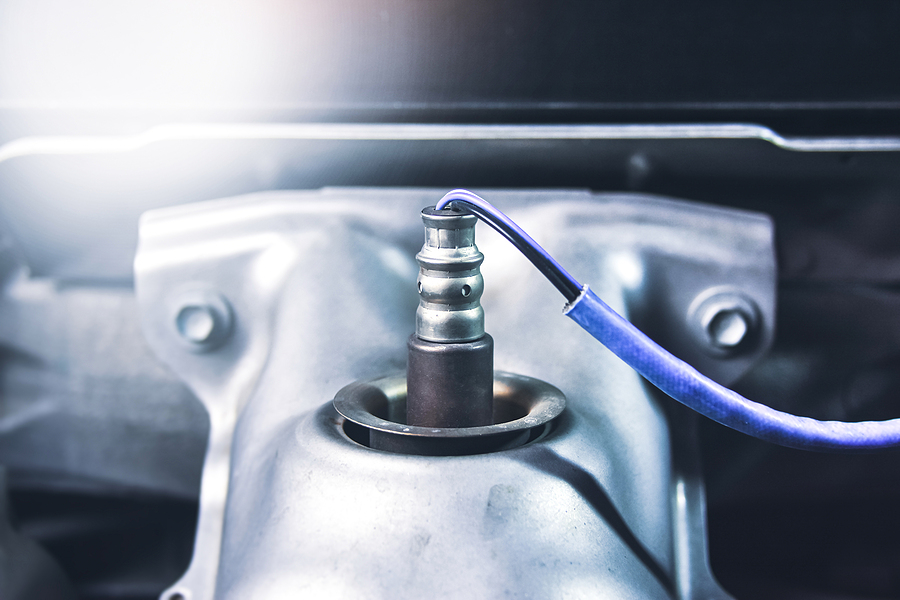
O2 Sensor
O2 Sensor

Understanding Car Sensors and Warning Signs

Your car is constantly monitoring itself. Dozens of sensors relay real-time data to the engine control module (ECM), helping regulate fuel delivery, emissions, braking, and engine temperature. When one of those sensors starts to fail, something usually lights up on your dashboard.

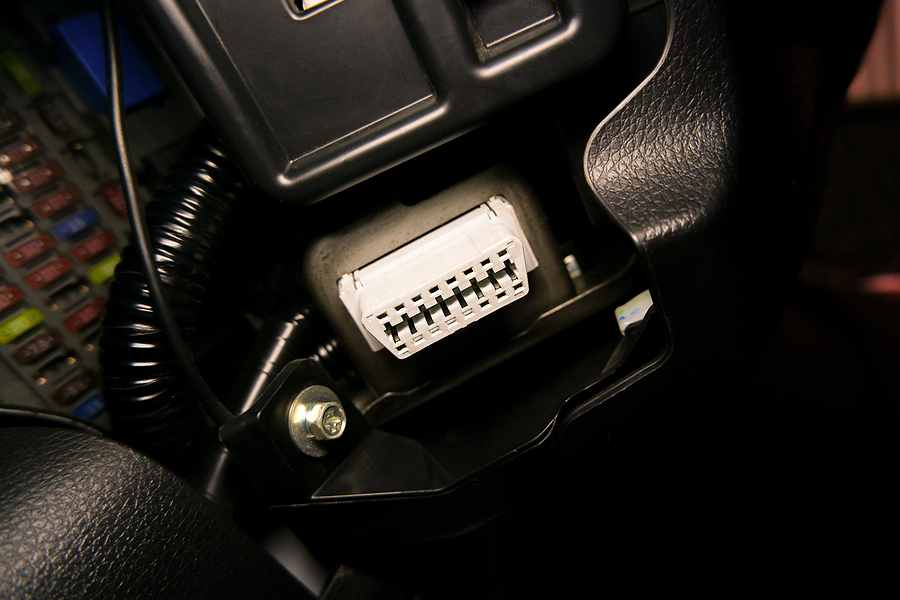
A warning light alone doesn’t tell you which sensor has failed—that’s what an OBD-II scan is for. Mechanics connect a diagnostic scanner to the port beneath your dashboard and pull trouble codes that point to specific systems. From there, they use live data and physical inspection to confirm the faulty component before recommending any repairs.

AutoZone Fix Finder service offers a free check engine light diagnostic at all of its 6,200+ US locations. It reads Check Engine, ABS, and maintenance lights and produces a printed report with technician-verified fix recommendations. This is a solid first step before spending money at a shop.

Oxygen (O2) Sensor Failure Symptoms and Costs

The O2 sensor monitors how much oxygen is in your exhaust, helping the engine maintain the right fuel-to-air ratio. When it fails, fuel efficiency drops and emissions increase.

Common symptoms of a failing oxygen sensor include:

  • Check engine light (often paired with codes P0030, P0031, or P0032)
  • Noticeably worse fuel economy
  • Rough idling or engine hesitation
  • Failed emissions test

Diagnosis typically involves connecting a scan tool to identify which sensor in the exhaust system is misbehaving. Most vehicles have two to four O2 sensors arranged in banks, and the scanner pinpoints exactly which one is at fault.

Typical repair cost (according to RepairPal):

  • Total: $434–$537
  • Parts: $345–$406
  • Labor: $90–$131

Costs vary by vehicle. A Honda Civic averages $453–$532, while a Honda CR-V can run $582–$707. RepairPal recommends using OEM-quality sensors rather than cheaper aftermarket alternatives, which may not communicate correctly with the vehicle’s ECM.

Mass Air Flow (MAF) Sensor Issues and Replacement Pricing

The MAF sensor measures the volume of air entering the engine so the ECM can calculate how much fuel to inject. A dirty or failing MAF sensor disrupts this balance, causing drivability problems.

Watch for these signs:

  • Check engine light (often with codes P00B8 or P00BC)
  • Poor acceleration or hesitation under load
  • Stalling at idle
  • Reduced fuel economy

Diagnosing a MAF sensor involves more than just reading a code. Technicians compare live sensor readings against known good values and test the sensor circuit. A code pointing to the MAF doesn’t always mean the sensor itself is the problem—wiring issues and vacuum leaks can produce similar readings.

Typical repair cost (according to RepairPal):

  • Total: $263–$408
  • Parts: $212–$333
  • Labor: $51–$75

This is one of the more affordable sensor repairs, partly because the labor time is low—the MAF sensor typically sits on the intake air tube and is often secured by a single screw or clamp. If you’re comfortable working under the hood, this is also one of the more DIY-friendly replacements, provided you’ve already confirmed the sensor is the actual cause.

Engine Coolant Temperature Sensor Diagnostic Guide

The engine coolant temperature (ECT) sensor tells the ECM how hot the engine is running. A faulty reading causes the engine management system to miscalculate fuel delivery and timing, sometimes leading to overheating or poor cold-start performance.

Symptoms to look out for:

  • Check engine light (commonly P0115 or P0116)
  • Engine running rich (too much fuel)
  • Poor fuel economy
  • Overheating or erratic temperature gauge readings
  • Rough running on cold starts

A technician will connect a professional scan tool, compare the sensor’s reported temperature against actual conditions, and test the sensor circuit before confirming the diagnosis. RepairPal notes that symptoms like rough running and overheating can point to many different problems—proper diagnosis before part replacement is essential here.

Typical repair cost (according to RepairPal):

  • Total: $452–$537
  • Parts: $312–$332
  • Labor: $140–$205

Labor costs are higher here than with a MAF sensor because accessing the ECT sensor—typically located in the thermostat housing or engine block—can require more disassembly. Costs swing widely by vehicle: a Toyota Corolla averages $293–$392, while a Ford F-150 averages $718–$864.

Understanding the Cost of ABS and Wheel Speed Sensors

Wheel speed sensors feed data to the anti-lock braking system (ABS), traction control, and stability control. When one fails, it can disable all three safety systems simultaneously.

Common warning signs:

  • ABS warning light
  • Traction control or stability control light
  • ABS activating at low speeds or not engaging when needed

ABS systems are diagnosed using manufacturer-specific scanning software that communicates directly with the ABS control module. The technician views real-time wheel speed data and inspects the sensors for physical damage, dirt buildup, and wiring faults. The wheel speed sensor is the most common failure point in ABS systems.

Typical repair cost (according to RepairPal):

  • Total: $228–$317
  • Parts: $140–$188
  • Labor: $87–$128

This is generally the most affordable of the four repairs covered here—but costs can climb sharply if the sensor is non-serviceable, meaning the entire wheel hub assembly must be replaced. A Toyota Camry wheel speed sensor averages $359–$502 for this reason.

Frequently Asked Questions

How much does a car diagnostic scan cost?

AutoZone offers a free check engine light scan through its Fix Finder service at all US store locations. If you take your car to a repair shop, expect to pay a diagnostic fee—typically around one to one and a half hours of labor, which often falls in the range of $90–$130, though this varies by shop. Some shops waive the fee if you proceed with the repair.

Can I replace a car sensor myself?

Some sensors are genuinely DIY-friendly. The MAF sensor, for example, is usually accessible and requires minimal tools. Others—like the ECT sensor or a non-serviceable wheel speed sensor—involve more complex disassembly and are better handled by a certified technician. The bigger risk with DIY sensor replacement is misdiagnosis: replacing the wrong part is almost always more expensive than paying for a proper diagnosis.

What happens if I ignore a faulty sensor?

It depends on the sensor. A failing O2 sensor will gradually hurt fuel economy and eventually cause catalytic converter damage. A bad ECT sensor can lead to overheating or engine damage if the ECM miscalculates fueling. A failed wheel speed sensor disables your ABS and traction control. Most sensor problems won’t leave you stranded immediately—but they tend to get more expensive the longer they go unaddressed.

Will a faulty sensor cause my car to fail an emissions test?

Yes, it can. A failing oxygen sensor is a common cause of failed emissions tests, both because of elevated emissions and because the OBD system will show incomplete readiness monitors.

Quick Recap:

  • O2 Sensor: Affects fuel economy and emissions; average repair cost $434–$537
  • MAF Sensor: Causes hesitation and poor acceleration; average repair cost $263–$408
  • ECT Sensor: Can cause overheating and rough running; average repair cost $452–$537
  • Wheel Speed Sensor: Disables ABS and traction control; average repair cost $228–$317
  • Always get a proper OBD-II scan before replacing any sensor
  • AutoZone’s Fix Finder offers a free diagnostic at all US locations
  • Labor and parts costs vary significantly by vehicle make and model

Conclusion

When it comes to vehicle maintenance, identifying sensor issues early can save you from larger, costlier repairs down the road. With the complexity of modern vehicles, it’s vital to recognize the warning signs and address them promptly. Always utilize reliable diagnostic tools, like AutoZone’s free Fix Finder service, to ensure accurate identification of the problem. While sensor repairs can vary by make and model, a timely fix contributes to the longevity and safety of your vehicle. Stay proactive, stay informed, and your car will thank you with years of dependable performance.

What If the Repair Costs More Than the Car Is Worth?

Sometimes the sensor is just the beginning. One diagnostic scan turns into a repair estimate that exceeds the value of the vehicle—and suddenly you’re weighing whether to fix an aging car or cut your losses.

If you’re in Indianapolis and you’ve reached that point, we can help. We buy totaled, junk, and damaged cars for cash—paid on the spot, with free towing included. No paperwork headaches, no waiting around. Get an instant cash offer for your car today.

Call Now to Get Started

Related Post: Check Engine Light On? How to Use an OBD-II Scanner Like a Pro

FWD vs RWD vs 4WD: Differences Explained

Buying a car involves navigating a maze of acronyms, and few are as important—or confusing—as those describing the drivetrain. Whether you see FWD, RWD, or 4WD on a spec sheet, these letters tell you exactly which wheels receive power from the engine.

This distinction changes how a car handles, how much fuel it consumes, and how safe it feels in bad weather. Understanding these differences ensures you choose a vehicle that fits your lifestyle, whether that is a daily commute in the city or a rugged adventure in the wilderness.

TL;DR and Key Takeaways:

For most drivers, a front-wheel-drive vehicle with good tires is sufficient. However, if you plan on towing heavy loads or navigating off-road trails, rear-wheel or four-wheel drive might be necessary. If you are short on time, here is the bottom line on drivetrain systems:

  • Front-Wheel Drive (FWD): The most common system. It offers the best fuel economy and is generally safer for everyday driving in rain or light snow.
  • Rear-Wheel Drive (RWD): Preferred for sports cars and trucks. It provides better handling balance and towing capacity but can struggle with traction on slippery roads.
  • Four-Wheel Drive (4WD): The go-to for off-roading. It uses a robust system with low-range gearing to handle deep snow, mud, and rocks, but it consumes more fuel.

Table of Contents:

  1. What is Front-Wheel Drive and How Does it Work?
  2. Why Do Some Performance Cars Use Rear-Wheel Drive?
  3. When Should You Choose Four-Wheel Drive Over Other Systems?
  4. Frequently Asked Questions
  5. Quick Recap
  6. Junk Car Removal in Indianapolis
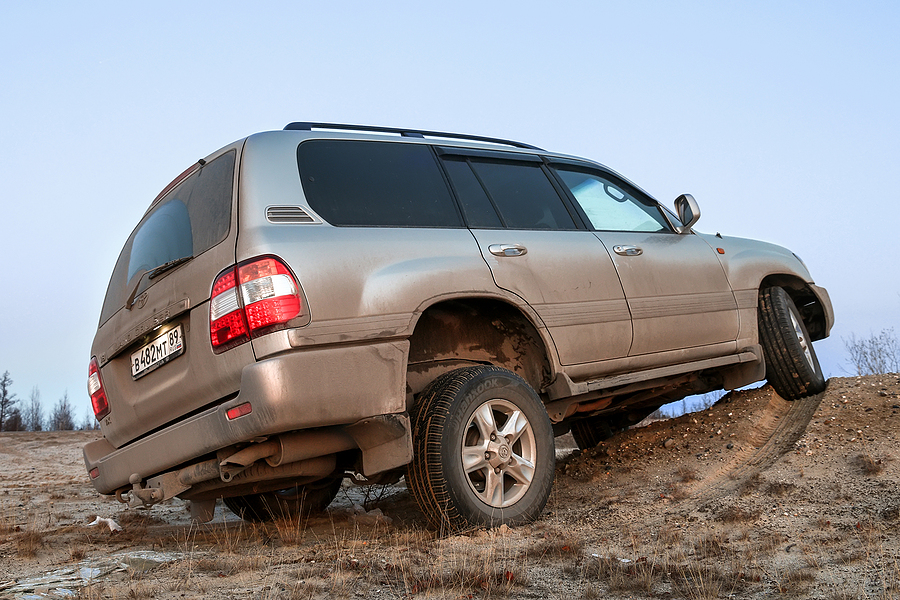
4WD Vehicles are Great for Off-Road Driving

What is Front-Wheel Drive and How Does it Work?

Front-wheel drive (FWD) means the engine sends power only to the front wheels, pulling the car forward.

This is the most common setup for passenger cars, crossovers, and minivans. In an FWD vehicle, the engine, transmission, and differential are all located at the front of the car. This compact design eliminates the need for a long driveshaft running to the rear, which frees up interior space for passengers and cargo.

The Benefits of FWD

The primary advantage of front-wheel drive is efficiency. Because the system is lighter and has fewer moving parts, it typically delivers better fuel economy than rear-wheel or four-wheel drive alternatives.

From a safety perspective, FWD is often easier for average drivers to handle. Since the weight of the engine sits directly over the driven wheels, these vehicles naturally have good traction in rain and light snow. If you lose traction in a corner, an FWD car tends to “understeer” (push forward), which is generally safer and more intuitive to correct than the sliding “oversteer” common in rear-wheel-drive cars.

Why Do Some Performance Cars Use Rear-Wheel Drive?

Rear-wheel drive (RWD) sends engine power to the back wheels to push the car, leaving the front wheels responsible only for steering.

While less common in economy cars today, RWD remains the standard for pickup trucks, luxury sedans, and sports cars. By separating the steering (front) from the power (rear), the vehicle achieves a better weight distribution. This balance allows designers to optimize the suspension for sharper handling and high-speed stability.

The Benefits of RWD

Performance is the main selling point here. When you accelerate hard, the vehicle’s weight shifts to the rear. In an RWD car, this weight shift presses the rear tires into the pavement, improving grip during acceleration. This is why high-performance vehicles rarely use FWD.

For truck owners, RWD is essential for towing. A trailer adds significant weight to the rear of the vehicle, which helps give the rear tires the traction they need to move heavy loads. However, without a heavy load or modern stability control, RWD vehicles can be difficult to control on slick or icy roads, as the rear end is prone to sliding out.

When Should You Choose Four-Wheel Drive Over Other Systems?

Four-wheel drive (4WD) uses a transfer case to send power to all four wheels, often with a “low range” setting for maximum torque.

It is important to distinguish 4WD from All-Wheel Drive (AWD). While AWD systems are always on and designed for on-road safety, 4WD is a more robust system designed for serious terrain. Traditional 4WD systems are “part-time,” meaning the driver must manually shift a lever or push a button to engage the front wheels.

The Benefits of 4WD

You should choose 4WD if you frequently drive off-road or in deep snow. The defining feature of 4WD is the transfer case, which usually offers 4-High and 4-Low settings.

  • 4-High: Used for slippery surfaces like packed snow or dirt roads at normal speeds.
  • 4-Low: Multiplies the engine’s torque to help the vehicle crawl over rocks, climb steep hills, or pull out of deep mud.

The trade-off for this capability is weight and stiffness. 4WD systems are heavy, which reduces fuel economy, and they can make the ride feel rougher on paved roads compared to FWD or AWD vehicles.

FeatureFWD (Front-Wheel Drive)RWD (Rear-Wheel Drive)4WD (Four-Wheel Drive)AWD (All-Wheel Drive)
TractionGood on dry pavements and slippery surfaces.Enhanced performance on dry roads, less on snow or ice.Excellent on extreme off-road terrains (when engaged).Consistent traction on varying road conditions.
HandlingStable and beginner-friendly.Sporty, with potential for oversteer.Less precise on paved roads, better for uneven terrain.Reliable handling in most conditions.
WeightLighter, improving fuel efficiency.Slightly heavier than FWD.Heaviest due to added components.Heavier than FWD but often lighter than 4WD.
Fuel EfficiencyMost fuel-efficient due to lighter drivetrain.Less efficient than FWD.Least fuel-efficient due to weight and complexity.Generally more efficient than 4WD but less than FWD/RWD.
Best UseDaily driving, urban and highway use.Performance and rear-heavy loads.Off-road adventures and extreme weather.All-weather, all-purpose versatility.

Frequently Asked Questions

Does 4WD or AWD cost more to maintain than FWD?

Yes, maintenance costs are typically higher for 4WD and AWD vehicles. These systems have more mechanical components—such as differentials, transfer cases, and additional driveshafts—that may require fluid changes or repairs over time. FWD systems are simpler and generally cheaper to service.

Is FWD or 4WD safer in the snow?

It depends on the depth of the snow, but 4WD offers better ability to get moving. 4WD helps you accelerate without getting stuck in deep snow. However, it does not help you stop or turn. A front-wheel-drive car with high-quality winter tires will often outperform a four-wheel-drive car with standard all-season tires when it comes to braking and cornering safety.

Can I tow with a Front-Wheel Drive car?

Yes, but with limitations. FWD vehicles generally have lower towing capacities than RWD or 4WD trucks. The weight of a trailer lifts weight off the front wheels, which can reduce traction and steering control in an FWD vehicle. Always check your owner’s manual for specific towing limits.

Quick Recap:

Here is a fast breakdown of how the systems compare:

  • Efficiency: FWD wins. It is lighter and has less drivetrain loss.
  • Traction (On-road): AWD or FWD is best for rain; 4WD is best for deep snow.
  • Traction (Off-road): 4WD is the superior choice for mud, rocks, and uneven terrain.
  • Performance: RWD offers the best handling balance for sports cars.
  • Cost: FWD is usually the most affordable option to buy and maintain.

Conclusion

As you can see, each type of drivetrain has its own strengths and weaknesses. Ultimately, the best choice for you will depend on your individual needs and preferences. It’s important to carefully consider factors like weather conditions, terrain, driving style, and budget when deciding on a new vehicle.

If you live in an area with heavy snowfall or frequently drive off-road, 4WD may be the best option for you. If fuel efficiency is a top priority, FWD might be the way to go. And if you’re a thrill-seeker looking for optimal performance on the track, RWD could be your best bet.

Is your old car stuck in the driveway because the transmission failed or the 4WD system won’t engage? Whether it is a sedan, truck, or SUV, you can turn that vehicle into cash today. We offer hassle-free junk car removal in Indianapolis, Indiana. We will tow your vehicle for free and pay you cash on the spot, regardless of its condition. Don’t let mechanical issues slow you down.

Call now for a free quote!

Related Post: Essential Roadside Emergency Kit Checklist for New Drivers and Families

Indiana Title Transfers: The Complete Guide for Buyers and Sellers

Buying or selling a car is an exciting milestone, but the paperwork that follows often feels like a speed bump. While the exchange of keys signifies a new chapter, the legal transfer of ownership isn’t complete until the title work is finished. In Indiana, navigating the Bureau of Motor Vehicles (BMV) requirements is critical to ensure you aren’t left liable for a vehicle you no longer own—or driving one you can’t legally register.

Many Hoosiers underestimate the precision required during this process. A single crossed-out signature or a missing odometer reading can render legal documents invalid, forcing you to start over and potentially pay duplicate title fees. Whether you are handing over the keys to a family member or finalizing a sale with a stranger, understanding the rules prevents headaches down the road.

This guide breaks down the Indiana title transfer process into clear, manageable steps. We will cover exactly what documents you need, how to handle special circumstances like liens or gifts, and the common pitfalls that trip up even experienced drivers.

Call 317-608-2188 to Get a Free Offer From Our Junk Car Buyers in Indianapolis

Step-by-Step Guide to Transferring an Indiana Title

To successfully transfer a title in Indiana, both the buyer and seller must complete specific sections of the certificate of title. Missing a step here can lead to rejected applications at the license branch.

1. Gather Your Documents

Before a pen touches the paper, ensure you have the correct documents. The most important piece is the Certificate of Title. If the original title has been lost or destroyed, the seller must apply for a duplicate title before the sale can proceed.

While the title is the primary document, a Bill of Sale (State Form 44237) is highly recommended and often required. It serves as a receipt for the transaction and provides a record of the purchase price, which determines the sales tax the buyer will pay.

2. Complete the Seller and Buyer Sections

The Indiana title has distinct sections for the seller and the purchaser.

  • For Sellers: You must print and sign your name exactly as it appears on the front of the title. You also need to fill in the date of sale and the final selling price.
  • For Buyers: You must sign and print your name in the purchaser’s section. This acknowledges you are accepting ownership of the vehicle.

3. Record the Odometer Reading

Federal and state laws require a precise disclosure of the vehicle’s mileage at the time of transfer. The seller must enter the current mileage in the dedicated odometer section on the back of the title. This transparency protects against odometer fraud. If the title does not have a space for this, or if the vehicle is exempt due to age (generally 20 years or older), you may need a separate Odometer Disclosure Statement (State Form 43230).

4. Remove the License Plates

This is a crucial step often overlooked by sellers. In Indiana, license plates belong to the individual, not the vehicle. The seller must remove the license plate before the buyer drives away. The buyer is responsible for obtaining their own registration and plates. Sellers can transfer their old plate to a different vehicle they own, but they should never let a stranger drive off with their plate attached.

5. Submit the title to the BMV

Once the paperwork is signed, the ball is in the buyer’s court. As the new owner, you must take the completed title, proof of insurance, and your driver’s license to a BMV branch.

  • The 45-Day Rule: Indiana law requires you to apply for a new certificate of title within 45 days of purchasing or acquiring the vehicle. Failing to meet this deadline results in an administrative penalty fee.

Get a Free Offer for a Junk Car in Indy Right Now!

Navigating Special Title Scenarios

Not every transfer is a straightforward sale between two people. Life events and financial obligations can complicate the process.

Transferring a Title With a Lien

You cannot transfer a title if a lender still has a legal claim to the vehicle. If you are the seller, you must pay off your loan and obtain a lien release.

  • Lien Release: The lienholder (usually a bank) will either sign the lien release section on the front of the title or provide a formal letter stating the loan has been satisfied.
  • Missing Title: If the lienholder holds the actual title, you may need to visit a branch to complete a Request for Title (State Form 1014), which asks the lender to send the title to the BMV for processing.

Deceased Owner Transfers

Dealing with the estate of a loved one is difficult, and vehicle paperwork adds stress to an emotional time. If the title features a Transfer on Death (TOD) beneficiary, that person can transfer the title into their name by presenting the title and a copy of the death certificate to the BMV.

If no beneficiary was named, the process depends on the estate. For smaller estates, a surviving spouse or heir may be able to use an affidavit (such as Form 18733 for transfers without administration) to claim ownership without going through lengthy probate court proceedings.

Gifting a Vehicle

Generosity has its own set of paperwork. If you are giving a car to a friend or family member for free, the “selling price” is zero. However, simply writing “$0” on the title isn’t always enough to satisfy the tax requirements.

The new owner may need to complete a Certificate of Gross Retail or Use Tax Exemption (Form ST-108E). This form certifies that the transfer is a gift and exempts the recipient from paying the standard 7% sales tax on the vehicle’s value.

Common Mistakes That Stall the Process

The Indiana BMV is strict about the condition of title documents. A messy title is often an invalid one.

  • Crossing out errors: If you write the wrong name or put the signature in the wrong box, do not use whiteout or scribble it out. Altering a title typically voids it, requiring the seller to apply for a duplicate title and start over.
  • Leaving sections blank: Never sign a title that is not fully filled out. “Open titles”—where the seller signs but leaves the buyer’s name blank—are illegal and risky.
  • Ignoring the 45-day deadline: Buyers often delay their trip to the BMV, only to be hit with late fees. Mark the purchase date on your calendar and handle the transfer promptly.

Final Thoughts

Properly transferring a vehicle title is about more than just bureaucracy; it is about protecting your financial and legal interests. For sellers, it ensures you are no longer liable for parking tickets or accidents involving the car. For buyers, it proves the vehicle is truly yours and protects your investment.

If you find yourself staring at a form you don’t understand, it is always better to pause and ask for help than to guess. The Indiana BMV website offers downloadable forms and guidance, and branch employees can assist with specific questions before you sign the final line. Taking the time to get it right the first time saves you money and gives you peace of mind on the road.

Need to offload a vehicle that isn’t worth the paperwork? If you have an old car taking up space and the hassle of a private sale sounds unappealing, we can help. We buy junk cars for cash on the spot in Central Indiana—no complicated title mess, just a simple process and fast payment. Contact Us Today to turn that clunker into cash.

Call Now to Get Your Offer

Related Post: Why is a Car Title Required to Sell a Scrap Car in Indiana?

What Is Your Car Trying to Tell You? Decoding 5 Common Noises

We rely on our vehicles to get us safely from Point A to Point B, often taking the complex machinery under the hood for granted. But when your trusty ride starts making unfamiliar sounds—a squeal here, a knock there—it can be unsettling. These auditory cues are your vehicle’s way of communicating that something isn’t quite right, and ignoring them can often lead to more significant, and expensive, problems down the road.

Understanding the difference between a minor annoyance and a major mechanical failure is crucial for every driver. While some noises might be fleeting and harmless, others are urgent warnings that require immediate attention to ensure your safety and the longevity of your vehicle. Being able to identify these sounds can save you from being stranded on the side of the highway or facing a repair bill that drains your savings.

In this guide, we will break down five of the most common car noises, explaining what they likely mean and what actions you should take. From the high-pitched squeal of brakes to the ominous roar of a damaged exhaust, we will help you decipher your car or truck’s language. We will also explore what happens when the diagnosis reveals a problem too costly to fix, offering a practical solution for vehicles that have reached the end of their road.

Call 317-608-2188 to Get a Free Offer From an Indy Junk Car Buyer

Top 5 Car Noises That Require Your Attention

Squealing Brakes: A High-Pitched Warning

One of the most common and alarming sounds a driver can hear is a high-pitched squeal when applying the brakes. This noise is designed to be annoying for a reason; it is a built-in alert system. Most modern brake pads come equipped with a small metal tab called a wear indicator. When the friction material on your pads wears down to a certain level, this tab scrapes against the rotor, creating that piercing squeal to let you know it is time for a replacement.

However, not all squeaks indicate worn-out pads. According to AAA, moisture can cause a thin layer of rust to form on the rotors, leading to a squeaking sound that usually disappears after a few stops. Similarly, road debris like dirt or sand can get trapped between the pad and rotor, causing temporary noise. If the sound persists, especially on dry days, it is best to have a professional inspect your braking system to ensure your vehicle remains safe to drive.

Engine Knocking: A Deep, Rhythmic Thud

A knocking sound coming from under the hood is rarely a good sign. This deep, repetitive thumping, which often speeds up as you accelerate, can indicate serious internal engine issues. One common culprit is low oil levels. Oil provides essential lubrication; without it, metal components friction against each other, causing damage and creating that distinctive knocking noise.

In more severe cases, knocking can signal “rod knock,” which occurs when the bearings connecting the pistons to the crankshaft wear out. This allows for excessive play and movement, resulting in a heavy hammering sound. If you hear this, it is critical to stop driving immediately and check your oil levels. Continuing to drive with a knocking engine can result in catastrophic failure, often requiring a complete engine replacement.

Hissing Sounds: The Sound of Escaping Pressure

If you hear a hissing sound, like a balloon slowly deflating, it typically indicates a leak in your cooling or vacuum system. A common cause is a coolant leak, where antifreeze escapes from a hose, the radiator, or the water pump and hits a hot engine part, turning into steam. This is often accompanied by a sweet smell and, eventually, an overheating engine.

Alternatively, a hissing noise while idling could point to a vacuum leak. Your engine relies on a precise balance of air and fuel to run efficiently; a disconnected or cracked vacuum hose disrupts this balance, leading to rough idling and potential stalling. Whether it is coolant or air escaping, a hissing sound warrants a prompt inspection to prevent overheating or performance issues.

Clicking Sounds: The Rhythm of a Bad Turn

A loud clicking or popping noise that occurs specifically when you turn the steering wheel is a classic symptom of a failing Constant Velocity (CV) joint. These joints are responsible for transferring power from the transmission to the wheels while allowing them to turn and move up and down. They are protected by rubber boots that hold in grease and keep out dirt.

When a CV boot tears, the grease leaks out and dirt gets in, causing the joint to wear out rapidly. The result is a distinct “click-click-click” sound during turns. If left unaddressed, a CV joint can eventually break, leaving your vehicle unable to move. Catching this early often means a simpler repair, whereas ignoring it can lead to axle failure.

Roaring Exhaust: The Sound of a Broken System

A sudden increase in engine volume, often described as a deep roar or rumble, usually points to an issue with the exhaust system. This system is designed to route dangerous fumes away from the cabin and dampen the noise of the engine combustion. When a component fails—such as a hole in the muffler or a disconnected exhaust pipe—the result is an unmistakable, aggressive roar.

Beyond the noise pollution, a damaged exhaust system can be hazardous. It may allow carbon monoxide, an odorless and deadly gas, to leak into the passenger cabin. Additionally, a leak upstream of the catalytic converter can negatively impact your engine’s performance and fuel economy. If your car sounds like a race car overnight, get it checked immediately.

Get a Free Junk Car Appraisal in Indianapolis Right Now

Prevention: The Key to a Quiet Ride

The best way to avoid these unsettling noises is through proactive vehicle maintenance. Adhering to your manufacturer’s recommended service schedule is vital. Regular oil changes ensure your engine remains lubricated, preventing the wear that leads to knocking. Routine brake inspections can catch worn pads before they damage your rotors.

Good driving habits also play a role. Avoiding hard braking, taking turns at reasonable speeds, and dodging potholes whenever possible can significantly extend the life of your suspension and drivetrain components. By treating your vehicle with care and addressing minor issues before they escalate, you can keep your car running smoothly and quietly for years to come.

When the Auto Repair Bill Exceeds the Car’s Value

Sometimes, despite your best efforts, a diagnosis comes back with a price tag that makes your heart sink. You might find that the cost to fix that engine knock or transmission failure is higher than what the car is actually worth. In the insurance world, and specifically under Indiana law, a vehicle is typically considered a “total loss” if the cost of repairs exceeds 70% of its fair market value.

When you are facing a repair bill that outweighs the value of the car, pouring more money into it rarely makes financial sense. In these situations, selling the vehicle to a junk car buyer can be a smart, stress-free alternative. Instead of haggling with dealerships on a trade-in or trying to sell a broken car to a private party, a junk car buyer offers a straightforward path.

You get immediate cash for the vehicle based on its weight and salvageable parts, and they handle the towing and paperwork. It turns a financial burden into a quick, hassle-free transaction, freeing you up to invest in a reliable replacement.

Wrapping Up

Listening to your car is the first step in responsible ownership. Whether it is a squeak, a hiss, or a roar, these sounds are indicators that your vehicle needs attention. While routine maintenance can prevent many issues, some mechanical failures are simply unavoidable and costly.

If you are dealing with a vehicle that has reached the end of its life, or if the cost of silencing those strange noises is simply too high, you have options.

Is your car making noises that are too expensive to fix? Turn that burden into cash today. Contact Us Today for a free junk car appraisal in Indianapolis, Indiana, and let us help you move forward.

Give Us a Call Now

Related Post: Why Is My Car Repair So Expensive? Unpacking the Cost of Automotive Fixes

Check Engine Light On? How to Use an OBD-II Scanner Like a Pro

That sudden amber glow on your dashboard can instantly ruin your day. The Check Engine Light is notorious for inducing anxiety, primarily because it is so vague. Is it a loose gas cap, or is your transmission failing? Without more information, you are left guessing—and worrying about the potential cost.

Fortunately, modern vehicles are equipped with a standardized system that allows them to communicate exactly what is wrong. By using an OBD-II (On-Board Diagnostics II) scanner, you can translate your car’s cryptic warning into actionable information. This tool empowers you to make informed decisions about repairs, saving you time, money, and unnecessary stress.

Call 317-608-2188  for FREE Totaled Car Towing in Indianapolis Indiana
Call 317-608-2188 for FREE Totaled Car Towing in Indianapolis Indiana

Understanding OBD-II Codes

To the untrained eye, a diagnostic trouble code (DTC) looks like a random string of characters, such as P0300 or P0442. However, there is a logic to this language. Each segment of the code provides a specific clue about what is happening under the hood.

The Breakdown of a Code

Most codes you will encounter follow a five-character format. Here is how to decipher them:

  • First Character (System): The letter indicates which main system is experiencing the fault.
  • P (Powertrain): Engine and transmission issues. This is the most common category.
  • B (Body): Issues with the interior, airbags, or other body components.
  • C (Chassis): Problems with suspension, steering, or brakes (ABS).
  • U (Network): Communication errors between the car’s onboard computers.
  • Second Character (Type): This tells you if the code is universal or specific to your car brand.
  • 0: Generic code (standardized across all vehicles).
  • 1: Manufacturer-specific code (unique to Honda, Ford, BMW, etc.).
  • Third Character (Sub-system): This digit pinpoints the area of the fault. For example, a ‘3’ usually indicates an ignition system or misfire issue, while a ‘4’ often relates to emission controls.
  • Fourth and Fifth Characters (Specific Fault): These numbers identify the exact component or problem description.

For example, in the code P0301, ‘P’ stands for powertrain, ‘0’ is generic, ‘3’ denotes the ignition system, and ’01’ specifically identifies a misfire in cylinder 1.

Step-by-Step Guide: How to Use Your Scanner

Using an OBD-II scanner is surprisingly straightforward. You do not need to be a certified mechanic to perform a basic scan. Follow these steps to retrieve your codes safely.

1. Locate the Diagnostic Link Connector (DLC)

In most vehicles manufactured after 1996, the OBD-II port is located under the driver’s side dashboard, near the steering column. It is a trapezoid-shaped 16-pin connector. If you cannot find it, check your owner’s manual.

2. Connect the Scanner

Ensure your vehicle is parked safely. Plug your scanner’s cable into the port. It should fit snugly without forcing it.

3. Turn on the Ignition

Insert your key and turn it to the “On” or “Accessory” position. This powers up the dashboard lights and the onboard computer without starting the engine. Some scanners may require the engine to be idling, so refer to your device’s specific manual if you are unsure.

4. Scan for Codes

Follow the prompts on your scanner’s screen. Select “Read Codes” or “Scan.” The device will communicate with your car’s computer and display any stored Diagnostic Trouble Codes (DTCs).

5. Record the Data

Write down the codes exactly as they appear. If your scanner supports “Freeze Frame” data, record that as well. Freeze Frame data is a snapshot of the engine’s conditions (like temperature and RPM) at the exact moment the fault occurred, which is incredibly useful for diagnosis.

Get a Free Offer for Your Totaled Car Right Now

Common Issues and Solutions

While there are thousands of potential codes, a few appear more frequently than others. Here is what some of the most common codes usually mean:

P0300: Random/Multiple Cylinder Misfire

This indicates that one or more cylinders are not burning fuel correctly. It can cause rough idling or shaking. Common culprits include worn spark plugs, bad ignition coils, or vacuum leaks.

P0420: Catalyst System Efficiency Below Threshold

This code relates to your exhaust system. It usually suggests that your catalytic converter is not functioning efficiently. While a bad oxygen sensor can sometimes trigger this, it often points to a failing catalytic converter, which can be a more expensive repair.

P0171: System Too Lean

A “lean” condition means the engine is getting too much air or not enough fuel. This is frequently caused by a dirty Mass Airflow (MAF) sensor or a vacuum leak in the intake manifold.

P0442: Evaporative Emission System Leak (Small)

This is one of the least severe but most annoying codes. It detects a leak in the system designed to capture fuel vapors. The most common cause? A loose or damaged gas cap. Tightening or replacing the cap often solves the problem.

Benefits of Using an OBD-II Scanner

Owning a scanner acts as a layer of protection between you and expensive car repair bills. It changes the dynamic of car ownership in several ways:

  • Financial Protection: Mechanics charge diagnostic fees just to hook up their scanners. By doing this yourself, you can often identify simple fixes—like a loose gas cap—that cost nothing to repair.
  • Informed Conversations: If you do need a professional, walking into the shop knowing the specific code (e.g., “I have a P0301 code”) shows you have done your homework, reducing the likelihood of being oversold on unnecessary services.
  • Peace of Mind: The Check Engine Light is frightening because it is unknown. Knowing the severity of the issue immediately helps you decide if you need to pull over right away or if you can safely drive home.

Dealing with a Total Loss Vehicle

Sometimes, the diagnosis reveals a problem that costs more to fix than the vehicle is worth. In other cases, you might be scanning a vehicle after an accident to see if the internal electronics survived the impact.

If repair costs skyrocket, you may be facing a “total loss” scenario.

Understanding Actual Cash Value (ACV)

Insurance companies and buyers determine a car’s worth based on its Actual Cash Value (ACV). This is not what you paid for the car, but what it is worth today, accounting for depreciation. Factors affecting ACV include the make and model, mileage, accident history, and pre-crash condition. Cars depreciate quickly; some data suggests vehicles can lose over 20% of their value in the first year alone.

The Threshold for Total Loss

States have different laws regarding when a car is considered “totaled.” In Indiana, for example, the total loss threshold is 70%. This means if the cost to repair your vehicle exceeds 70% of its ACV, it is legally considered a total loss.

Selling a Totaled or Uninsured Vehicle

If you find yourself with a vehicle that is essentially a mechanical or structural write-off, repairs are often throwing good money after bad. Selling the vehicle to a specialized junk car buyer is often the smartest financial move.

  • Immediate Payment: Unlike private sales where you have to haggle and wait, junk car buyers typically offer cash on the spot based on the weight and salvageable parts of the vehicle.
  • Convenience: These services usually include free towing, which is essential if your car is not running or is unsafe to drive.
  • Simplified Paperwork: Handling the title transfer for a totaled car can be confusing. Reputable buyers handle the administrative burden for you, ensuring the liability is transferred out of your name correctly.

Conclusion

The Check Engine Light does not have to be a source of panic. With a simple OBD-II scanner, you can demystify your dashboard, understand your vehicle’s health, and make smart decisions about repairs. Whether it is a simple sensor replacement or a signal that it is time to part ways with your car, having the right information puts you in control.

If your scanner reveals catastrophic issues, or if you are sitting on a car that costs more to fix than it’s worth, do not let it rust in your driveway.

Get paid cash for your junk car in Indianapolis today. Contact Us Now for a free junk car appraisal and turn that mechanical headache into cash in your pocket.

Call Directly for Your Offer

Related Post: What Your Dashboard Warning Lights Really Mean And When to Worry

Selling a Junk Car: What You Need to Know Before You Let It Go

That old car sitting in your driveway or taking up space in your garage can be more than just an eyesore—it can be a source of extra cash. For many people, though, the process of selling a junk car feels overwhelming. Questions about its value, the necessary paperwork, and finding a trustworthy buyer can make it seem like more trouble than it’s worth.

Selling a junk car isn’t as simple as posting an ad and waiting for a buyer. It involves understanding its real value, navigating legal requirements, and knowing how to secure a fair deal. This guide is designed to walk you through every step, providing clear, practical advice to help you turn your old vehicle into cash with confidence. We’ll cover everything from assessing your car’s worth to finalizing the sale, with a special focus on the requirements for car owners in Indiana.

Call 317-608-2188 to Get Started With Junk Car Selling in Indianapolis

Assessing Your Car’s Value is the First Step

Before you can sell your junk car, you need a realistic idea of what it’s worth. Unlike a used car in good condition, a junk car’s value is often determined by its raw materials rather than its functionality. Several key factors influence the final price you’ll be offered.

Factors That Influence Value

  • Year, Make, and Model: Even for junk cars, some models are more valuable than others. Luxury or rare vehicles may have specific parts that are in high demand, increasing their worth.
  • Weight of the Vehicle: A significant portion of a junk car’s value comes from its weight in scrap metal. Heavier vehicles, like trucks and SUVs, generally fetch a higher price at the scrapyard. Current scrap metal prices fluctuate, so the value can change daily.
  • Condition of the Car: While the car may not be drivable, the condition of its components still matters. Is it mostly intact, or has it been stripped for parts? A car with most of its original parts—engine, transmission, catalytic converter—will be more valuable.
  • Drivability: If the car can still be driven, even for a short distance, its value increases. A drivable car might be repairable or have more salvageable parts, making it more attractive to a wider range of buyers.
  • Demand for Parts: The value of your car can also depend on the demand for its specific parts. If you own a popular model, its used parts might be highly sought after, which can increase the price a salvage yard is willing to pay.

Legal and Paperwork Requirements in Indiana

Proper paperwork is crucial for a legal and smooth transaction. In Indiana, failing to follow the correct procedures can lead to legal complications down the line.

The most important document you’ll need is the car title. The title proves you are the legal owner of the vehicle. To sell your car, you must sign the title over to the buyer. Be sure to fill out the seller’s section accurately, including the buyer’s name and address, the date of sale, and the odometer reading.

If you’ve lost the title, you must apply for a duplicate from the Indiana Bureau of Motor Vehicles (BMV) before you can sell the car. Selling a vehicle without a title is illegal and can cause significant problems for both you and the buyer.

Once the sale is complete, it’s also a good idea to submit a Bill of Sale. While not always legally required in Indiana for private sales, it serves as a receipt and protects you from future liability. The Bill of Sale should include the vehicle’s information (VIN, make, model, year), the sale price, the date, and the names and signatures of both the buyer and seller.

Finally, remember to remove your license plates from the car before the buyer takes it away. You can transfer these plates to another vehicle or return them to the BMV.

Get an Instant Offer for Your Junk Car in Indy

Finding Reputable Buyers

Finding a buyer you can trust is essential to getting a fair price and avoiding scams. There are several types of buyers for junk cars, each with its own pros and cons.

  • Local Scrapyards: These businesses specialize in buying cars for their scrap metal and salvageable parts. They are a straightforward option and environmentally responsible. Some junk car buyers offer free towing and cash paid on the spot.
  • “We Buy Junk Cars” Services: Many companies, both local and national, specialize in purchasing junk vehicles. They often offer convenience, including free towing. Look for established businesses with positive customer feedback and transparent pricing.
  • Private Buyers: Individuals looking for project cars or specific parts may buy junk cars. Selling privately can sometimes yield a higher price, but it often requires more effort in terms of advertising and meeting with possible buyers.
  • Online Marketplaces: Websites like Craigslist or Facebook Marketplace can be used to list your car. However, be cautious of scams and be prepared to negotiate with multiple interested parties.

When vetting potential buyers, look for clear communication, a professional website or business listing, and a willingness to provide a firm quote. A reputable junk car buyer will not pressure you into a quick decision or change the offered price upon arrival without a valid reason.

Preparing Your Car for Sale

Before the tow truck arrives, there are a few simple steps you should take to prepare your car.

  1. Remove Personal Belongings: Thoroughly check the glove compartment, under the seats, in the trunk, and any other storage areas. It’s easy to forget personal items, so take the time to clear everything out.
  2. Gather Your Paperwork: Have the signed title and a Bill of Sale ready for the buyer. This will ensure the transaction goes smoothly and quickly.
  3. Cancel Your Insurance: Once the car is officially sold, contact your insurance provider to cancel the policy. You don’t want to continue paying for a vehicle you no longer own.

You are generally not required to clean the car or make any repairs. Junk car buyers purchase vehicles “as-is,” so there’s no need to invest any additional time or money into its appearance.

Finalizing the Sale

Once you’ve agreed on a price offer, the final steps are straightforward. The buyer will typically arrange for towing. When they arrive, they will inspect the vehicle to confirm its condition matches your description.

Before handing over the keys and title, ensure you receive payment in full. Cash is often the safest method, but a cashier’s check is also a secure option. Avoid personal checks, which can bounce.

After you’ve been paid, sign the title over to the buyer and provide them with the Bill of Sale. Keep a copy of the Bill of Sale for your own records. With the paperwork completed and the car towed away, you have successfully sold your junk car.

Turn Your Unwanted Car into Cash

Selling a junk car doesn’t have to be a complicated ordeal. By understanding your car’s value, preparing the necessary paperwork, and finding a reputable buyer, you can navigate the process with confidence. Taking the time to follow these steps will help you get a fair price and ensure a hassle-free transaction from start to finish.

If you’re in Indianapolis and ready to see what your junk car is worth, we can help. Contact Us Today for a free, no-obligation offer and turn that old car into cash.

Call Now for a Quote

Related Post: What to Expect From the General Junk Car Selling Process in Indianapolis

Common Car Suspension Problems and How to Fix Them

A smooth, comfortable ride is something most drivers take for granted. We expect our cars to glide over minor road imperfections and handle turns with stability. This quiet, steady performance is thanks to your vehicle’s suspension system. But when problems arise, they can affect everything from ride comfort to safety.

Recognizing the signs of suspension trouble is the first step toward a solution. A bouncy ride, unusual noises, or uneven tire wear are all indicators that something is amiss. This guide will walk you through the key components of your car’s suspension, common issues you might encounter, and how to diagnose and resolve them, ensuring your vehicle remains safe and reliable on the road.

Call 317-608-2188 for FREE Junk Car Removal in Indianapolis Indiana

Understanding Your Suspension System

Your car’s suspension is a complex network of parts working together to keep your tires on the road and absorb the bumps along the way. It is essential for both comfort and control. Understanding its main components can help you identify problems more effectively.

Springs

These are the primary components that absorb bumps and support the vehicle’s weight. They can be coil springs (the most common type), leaf springs (often found on trucks and older cars), or torsion bars. When you drive over a bump, the springs compress to absorb the impact.

Shock Absorbers and Struts

While springs absorb impacts, shock absorbers (or dampers) control the bouncing motion. Without them, your car would continue to bounce long after hitting a bump. A strut is a more complex assembly that combines a shock absorber and a spring into a single structural unit, which is common in many modern front-wheel-drive cars.

Linkages and Bushings

These components connect the various parts of the suspension to the car’s frame and to each other. They include control arms, ball joints, and tie rod ends. Bushings are rubber or polyurethane cushions that absorb vibrations and allow for slight movement, reducing noise and harshness.

Together, these parts work to maximize friction between the tires and the road, providing steering stability and good handling. A well-maintained suspension ensures a smooth, controlled, and safe driving experience.

Common Suspension Problems

Like any other part of your car, suspension components can wear out over time. Here are some of the most common issues you might face.

Worn Shock Absorbers or Struts

Worn shocks or struts are one of the most frequent suspension problems. Because they lose their ability to control the vehicle’s bouncing, you might notice several tell-tale signs:

  • A Bouncy Ride: The car feels floaty and continues to bounce after hitting a bump.
  • Nose-Diving or Squatting: The front of the car dips excessively when you brake, or the rear squats when you accelerate.
  • Uneven Tire Wear: Worn shocks can cause “cupping,” which are scalloped dips around the surface of the tire tread.
  • Fluid Leaks: You may see hydraulic fluid leaking from the body of the shock or strut.

Spring Issues

The springs support your car’s weight, so any problem with them can be significant.

  • Broken Springs: A broken spring can cause a corner of the car to sag noticeably. You might also hear a loud clunking noise when driving over bumps. This requires immediate attention as it can affect steering and handling.
  • Sagging Springs: Over time, springs can weaken and sag, causing the car to sit lower than its normal ride height. This can lead to bottoming out over bumps and premature wear on other suspension parts.

Linkage and Bushing Problems

The various joints and bushings that hold the suspension together can also wear out.

  • Worn Ball Joints: These are pivot points that connect the control arms to the steering knuckles. When they wear out, you might hear a clunking or knocking sound from a corner of the car, especially when going over bumps or turning.
  • Worn Tie Rod Ends: Tie rods connect your steering system to the wheels. Worn tie rod ends can lead to loose, imprecise steering and uneven tire wear.
  • Worn Bushings: The rubber bushings that cushion the suspension can crack and deteriorate. This can cause creaking, rattling, or clunking noises and can affect alignment and handling.

Alignment Issues

Wheel alignment refers to the angles of your wheels relative to the car and the road. While misalignment is often a problem in itself, it can also be a symptom or cause of suspension issues. Poor alignment can lead to uneven tire wear, a crooked steering wheel, and the vehicle pulling to one side. It also puts extra stress on suspension components.

View More of Our Car Care Blogs

Diagnosing Suspension Problems

Some suspension issues are easy to spot, while others require a closer look. Here’s how you can start diagnosing a potential problem.

The Bounce Test

A simple way to check your shocks and struts is the “bounce test.” Go to each corner of your parked car and push down firmly on the fender several times. When you let go, the car should bounce once or twice and then settle. If it continues to bounce, your shocks or struts are likely worn.

Visual Inspection

Take a look under your car. Check the shocks and struts for any signs of leaking fluid. Look at the springs to see if any are broken or cracked. Examine the rubber bushings for cracks or signs of deterioration. You can also check for play in the ball joints and tie rods by trying to wiggle the wheels, though this is often best left to a professional.

When to See a Professional

While the bounce test and a visual check can give you clues, many suspension problems are best diagnosed by a qualified mechanic. They have the tools and expertise to safely lift the vehicle, inspect all components thoroughly, and accurately identify the source of the problem. If you hear persistent noises, feel a significant change in handling, or notice uneven tire wear, it’s time to book an appointment.

Solutions and Maintenance

Once a problem is diagnosed, the solution usually involves replacing the worn-out part.

Replacing Components

Worn shock absorbers, struts, and broken springs must be replaced. It’s generally recommended to replace them in pairs (both front or both rear) to ensure even performance. The same goes for many linkage components like ball joints.

Regular Alignment

Getting your wheels aligned regularly (about once a year or whenever you get new tires) is crucial. A proper alignment ensures your tires wear evenly and your car handles correctly, which reduces stress on the suspension.

Maintenance Tips

To prolong the life of your suspension, try to avoid potholes and driving aggressively on rough roads. Pay attention to your tire pressure, as properly inflated tires help absorb some of the impact from the road.

Your Next Steps for a Safer Drive

A well-functioning suspension system is not just about comfort; it’s a critical safety feature. It ensures your tires maintain firm contact with the road, providing the traction you need for braking and steering effectively. Ignoring signs of trouble can lead to more extensive damage and compromise your safety.

By understanding the common problems and knowing what to look for, you can address issues early and keep your vehicle in top condition. Regular inspections and timely repairs will ensure a safe, smooth, and enjoyable driving experience for years to come.

If your car has severe suspension damage or other issues that make it too costly to repair, it might be time to consider other options. For vehicles beyond saving, GC’s Junk Cars offers free junk car removal in the Indianapolis area, providing a simple and profitable solution for your end-of-life vehicle. That’s right—we pay cash on the spot for all scrap vehicles, regardless of condition!

Schedule Junk Car Pickup Now

Related Post: High-Priced Problems: The Most Expensive Car Repairs Revealed

Scrap Car Removal: What to Do Before the Tow Truck Arrives

Arranging for scrap car removal is a significant step toward clearing out your space and earning some cash for your old vehicle. The process might seem as simple as making a phone call, but a little preparation can ensure everything goes smoothly, legally, and safely. Neglecting these steps can lead to legal headaches, financial losses, and unnecessary delays.

Understanding what to do before the tow truck arrives is crucial for a hassle-free experience. This guide walks you through the entire junk car process, from gathering essential documents to handling the final transaction. By following these steps, you can confidently navigate the removal of your junk car in Indianapolis and Central Indiana, knowing you’ve covered all your bases.

Call 317-608-2188  for Free Scrap Car Removal in Indianapolis Indiana
Call 317-608-2188 for Free Scrap Car Removal in Indianapolis Indiana

How to Prepare For Junk Car Removal Service

Gather Your Paperwork

Before a junk car removal service can take your vehicle, you must prove you are the legal owner. Having the correct documents ready is the most important step in the entire process.

Vehicle Title

The vehicle title is the legal document that proves ownership. In Indiana, you must sign the title over to the junk car removal service at the time of pickup. This car title transfer is a non-negotiable legal requirement. Make sure the title is in your name and that all information is accurate. If you’ve lost the car title, you’ll need to apply for a duplicate from the Indiana Bureau of Motor Vehicles (BMV) before scheduling the removal.

Registration and ID

While the title is the primary document, having your vehicle registration and a valid government-issued photo ID (like a driver’s license) on hand can help verify your identity and ownership, making the process quicker.

A common mistake is failing to properly transfer the title, which can leave you legally responsible for the vehicle even after it’s gone. Ensure you complete this step correctly to avoid future complications.

Remove All Personal Belongings

Your car may have been a part of your life for years, and it’s easy to forget the personal items stored inside. Before the tow truck arrives, conduct a thorough search of your vehicle.

Check every compartment, including:

  • Glove box
  • Center console
  • Under the seats
  • Trunk
  • Door pockets
  • Sun visors

Remove your license plate and the front plate (if you have one). Look for important documents, electronics, CDs, sunglasses, clothing, GPS devices, phone holders, and any other personal effects. It’s also recommended to remove all garbage and debris from the vehicle. Once the junk car buyers tow your car, retrieving forgotten items is often impossible. Taking a few extra minutes to clean it out provides peace of mind.

Drain the Gasoline (optional)

If your junk car still has gasoline in the tank, you may want to drain it for use in another vehicle or for your lawnmower. However, this step requires extreme caution. Gasoline is highly flammable, and improper handling can lead to serious injury or fire.

If you choose to drain the fuel, do so in a well-ventilated area away from any open flames or sparks. Use a proper siphon pump and store the gasoline in an approved container. Many people prefer to let the junk car removal service handle this, as salvage yards in Indiana must follow strict environmental regulations for fluid drainage. If you are not comfortable or equipped to drain the gas safely, it’s best to leave it to the professionals.

Request a Free Junk Car Appraisal in Indianapolis!

Cancel Insurance and Registration

Once your vehicle has been sold and towed away, it is no longer your legal responsibility. At this point, you must take two important steps:

  1. Cancel Your Insurance: Contact your insurance provider to inform them you have sold the vehicle. Failing to do so will result in you paying for coverage you no longer need. Canceling promptly ensures you receive any applicable refund for the unused portion of your policy.
  2. Cancel Your Registration: Indiana law requires you to cancel your vehicle’s registration after it has been sold or scrapped. You can typically do this through the Indiana BMV website or by visiting a branch. This step formally removes your name from the vehicle, protecting you from any future liability.

Choose a Reputable Junk Car Removal Service

Not all junk car removal services are created equal. Choosing a licensed, insured, and reputable company is vital for a secure and environmentally responsible transaction.

When searching for junk car buyers in the Indianapolis area, look for:

  • Positive Reviews: Check online reviews and testimonials from previous customers.
  • Proper Licensing: Ensure the company is licensed to operate in Indiana.
  • Transparent Process: A trustworthy company will clearly explain the process, including how they determine their cash for junk cars offer and what paperwork is required.
  • Free Junk Car Towing: Most reputable services offer free towing and will not hit you with hidden fees.

Selecting a questionable service can lead to scams, lowball offers, or improper disposal of your vehicle, which poses an environmental hazard. In Indiana, it’s also illegal to abandon a vehicle on public or private property, so ensure you are working with a legitimate company.

What to Expect When the Tow Truck Arrives

On the day of the removal, a few key things will happen to finalize the transaction.

  1. Final Inspection: The tow truck driver will briefly inspect the vehicle to confirm its condition matches what was described.
  2. Title Transfer: You will sign the vehicle title over to the company representative. This is the official point of sale.
  3. Payment: You will receive your payment. Reputable companies typically pay with cash on the spot. Be wary of services that promise to mail a check later.
  4. Receipt: You will be given a receipt or a bill of sale as proof of the transaction. Keep this document for your records.

The entire process is usually quick, often taking less than 30 minutes.

Frequently Asked Questions

What paperwork do I need to scrap my car in Indiana?

You will need the vehicle title to prove ownership. It’s also helpful to have your vehicle registration and a valid photo ID. According to Indiana law, you must properly transfer the title to the junk car removal service at the time of pickup.

How do I safely remove gasoline from my car?

If you choose to drain the gasoline, do it in a well-ventilated area away from ignition sources. Use a certified siphoning pump and store the fuel in an approved container. If you are not experienced, it is safer to let the professional junk car removal service handle fluid drainage, as they are equipped to do so according to environmental regulations.

What happens to my car after it’s been removed?

After removal, your car is taken to a salvage yard. There, all hazardous fluids are drained and disposed of according to environmental laws. Usable parts are salvaged and resold. The remaining metal frame is crushed, shredded, and recycled.

How do I choose a reputable junk car removal service?

Look for a licensed and insured company with positive customer reviews. A reputable service will be transparent about its process, offer free towing, and provide a clear quote. Avoid companies that are not forthcoming with information or have many negative reviews.

Is there a fee for junk car removal?

No, most reputable companies offer free junk car towing. You should not have to pay any fees for the removal service. Instead, you will receive cash for your junk car. Be cautious of any service that tries to charge you for towing or includes hidden fees.

Your Next Steps

Preparing for scrap car removal is a straightforward process when you know what to expect. By gathering your paperwork, cleaning out your vehicle, and choosing a trustworthy service, you can ensure a smooth, safe, and legally compliant experience. This preparation protects you from liability and helps you get the most value from your old car.

Ready to say goodbye to your junk car? Schedule your free scrap car removal in Indianapolis and Central Indiana with us today and turn your old vehicle into cash. We pay cash on the spot and never charge for towing!

Call Now to Book Your Slot

Related Post: What to Do Before Selling Your Junk Car for Cash

Catalytic Converter Cost: Is Replacement Even Worth It?

A sputtering engine, a check engine light, and a foul smell—these are all potential signs of trouble with your vehicle. While several issues could be the cause, one of the most common (and costly) is a failing catalytic converter. This essential component not only keeps your car running smoothly but also plays a vital role in protecting the environment.

Understanding what a catalytic converter does, recognizing the symptoms of failure, and knowing the potential replacement costs can save you from unexpected expenses and keep your vehicle compliant with emissions laws. This guide will walk you through common catalytic converter problems, the factors that influence replacement costs, and what to do if the repair bill is more than your car’s actual cash value.

Call 317-608-2188 to Get Started With Junk Car Scrapping in Indianapolis Indiana

What is a Catalytic Converter?

The catalytic converter is a part of your car’s exhaust system located between the engine and the muffler. Its primary job is to convert harmful pollutants produced by your engine—like hydrocarbons, carbon monoxide, and nitrogen oxides—into less harmful gases, such as carbon dioxide and water vapor. It uses a catalyst, typically made of precious metals like platinum, palladium, and rhodium, to trigger this chemical reaction.

Under the federal Clean Air Act, all vehicles are required to have a functioning catalytic converter to reduce air pollution. Driving without one is not only illegal but also significantly increases your car’s environmental impact.

Common Signs of a Bad Catalytic Converter

Catalytic converter problems can manifest in several ways. Being aware of these signs can help you address the issue before it leads to more severe engine damage.

  • Reduced Engine Performance: A clogged converter can restrict exhaust flow, making your engine feel sluggish and less responsive. You might notice poor acceleration or a general lack of power.
  • “Rotten Egg” Smell: A distinct sulfurous smell, similar to rotten eggs, coming from your exhaust is a classic sign that your converter isn’t properly processing the gases from your engine.
  • Check Engine Light: A failing catalytic converter will often trigger your vehicle’s check engine light. A diagnostic scan can confirm if the converter is the source of the problem.
  • Failed Emissions Test: If your car fails an emissions test, a malfunctioning catalytic converter is a likely culprit.
  • Rattling Noises: If you hear rattling sounds from under your car, it could mean the honeycomb mesh inside the converter has broken apart.

How Much Does a Catalytic Converter Cost?

The cost of a catalytic converter replacement can vary significantly depending on several factors, including your vehicle’s make and model, your location, and whether you choose an original equipment manufacturer (OEM) or aftermarket part.

  • Vehicle Make and Model: Different cars require different types of converters. High-performance or luxury vehicles often have more complex and expensive systems.
  • Labor Costs: Labor rates vary by region and repair shop. The complexity of the installation can also affect the time it takes to replace the part.
  • OEM vs. Aftermarket Parts: OEM parts are made by the vehicle manufacturer and are generally more expensive but guarantee a perfect fit. Aftermarket parts are cheaper but may vary in quality and longevity.

Here are some estimated replacement costs for popular car models:

  • Honda Accord: $800 – $1,500
  • Toyota Camry: $900 – $1,600
  • Ford Explorer: $1,000 – $1,800
  • F-150: $1,100 – $1,900
  • Jeep Wrangler: $1,200 – $2,000

When Repair Costs Exceed Your Car’s Value

Sometimes, the catalytic converter cost is so high that it approaches or exceeds your vehicle’s actual cash value (ACV). When a car’s repair costs are higher than its fair market value, it may be considered a totaled car. In this situation, investing in a major repair may not be financially wise. Instead of sinking money into an aging vehicle, you might consider selling it.

The junk car value typically ranges from $100 to $500, but this can increase based on the car’s weight, current scrap metal prices, and the presence of valuable components. Getting quotes from multiple junk car buyers can help you secure a fair price.

The Benefits of Scrapping Your Car

If you decide that replacing your catalytic converter isn’t worth the cost, scrapping your junk car offers several advantages:

  • Get Cash for a Non-Functional Vehicle: Scrapping allows you to get an instant cash payout for a car that might otherwise sit unused.
  • Avoid Expensive Repairs: You can put the money you would have spent on repairs toward a more reliable vehicle.
  • Environmentally Friendly: Scrapping ensures that hazardous materials are disposed of properly and that valuable parts and metals are recycled.
  • Free Up Space: Getting rid of an old car clears valuable space on your property.
  • A Quick and Easy Process: Reputable junk car buyers handle most of the work, including towing, making the process simple and hassle-free.

FAQs About Scrapping a Car

How do I know if my car qualifies for scrapping?

Most vehicles, regardless of their condition, qualify for scrapping. Whether your car is damaged, non-operational, or simply old, junk car buyers typically accept a wide range of makes and models.

What paperwork is required to scrap my car?

You will generally need to provide proof of ownership, such as the vehicle title, to complete the transaction. Some buyers may also require a valid ID for verification.

Will I need to pay for towing?

No, reputable junk car buyers like GC’s Junk Cars in Indianapolis often include free towing as part of their service, ensuring a convenient and cost-free experience for you.

Can I still scrap my car if it doesn’t run?

Absolutely! Non-operational vehicles are still valuable for their parts and scrap metal, and most buyers are willing to take them off your hands.

In Summary

A failing catalytic converter is a serious issue that impacts your car’s performance and the environment. While the replacement cost can be steep, it’s a necessary repair for keeping your vehicle road-legal and running efficiently. However, if the repair bill is more than what your car is worth, it may be time to consider other options.

Weigh the catalytic converter cost against your vehicle’s overall condition and fair market value. If it’s time to move on, selling your totaled car for cash can be a smart and responsible choice. Our team of junk car buyers offers competitive prices and a seamless process, giving you an instant cash payout for your vehicle.

Call Now For Your Offer

Related Post: The Pros and Cons of Replacing a Catalytic Converter on an Older Vehicle