
Most drivers have been there. The repair bills are stacking up, the check engine light seems permanently on, and you’re starting to wonder whether your old car is worth keeping. It’s a tough call—especially when you’re emotionally attached to a vehicle that’s carried you through years of road trips, commutes, and everyday life.
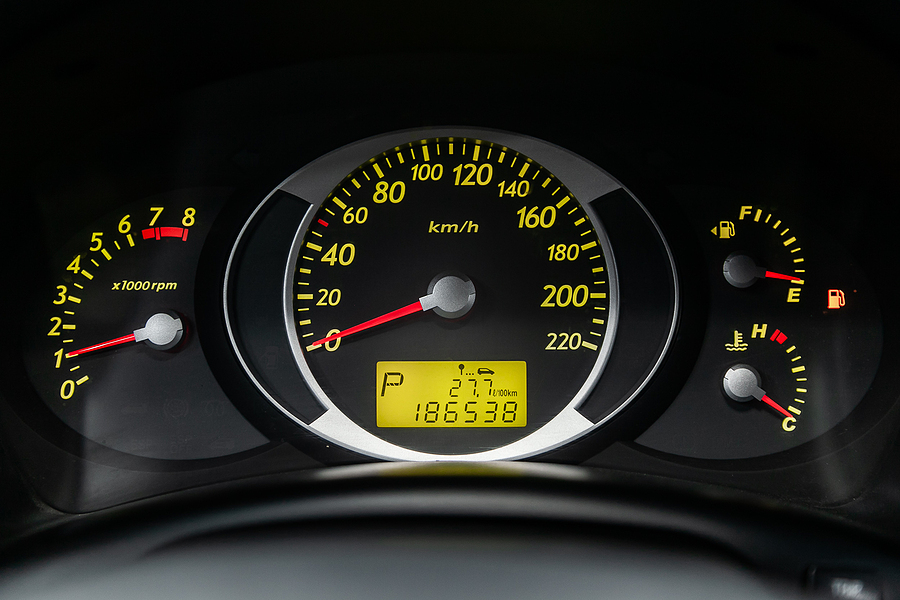
Your odometer is one of the most reliable indicators of where your vehicle stands. High mileage doesn’t automatically mean it’s time to junk your car, but it does signal that wear and tear are accumulating in ways that could cost you. This guide breaks down the key signs to watch for, the real financial picture of owning a high-mileage vehicle, and your options when the time finally comes.
When High Mileage Signals It’s Time to Replace Your Vehicle
What the Numbers Say
Modern cars are built to last. According to a 2024 analysis by Junk Car Reaper, the average vehicle lasts 160,545 miles before it’s retired. A separate study by Junk Car Medics—based on over 50,000 junked cars from 2023—puts the average lifespan at 16.58 years and 156,470 miles. With proper maintenance, many vehicles push well past the 200,000-mile mark.
That said, not all miles are created equal. Two cars with identical odometer readings can be in very different condition depending on:
- Maintenance history: A car with regular oil changes, fluid checks, and scheduled services will last significantly longer than one that’s been neglected.
- Driving conditions: Highway miles are generally easier on a vehicle than stop-and-go city traffic.
- Make and model: Some vehicles are simply built to go further. According to Junk Car Medics data, the Ford Ranger averages 22.18 years, while the Chrysler 200 typically lasts just 9.66 years.
Mileage Milestones Worth Knowing
Around 150,000 miles, you can expect to replace components like spark plugs, belts, and suspension parts. These aren’t catastrophic failures, but they’re a preview of what’s coming.
At 200,000 miles, major systems—transmission, engine seals, cooling components—become increasingly vulnerable. Repairs get more expensive, and failures get harder to predict.
Beyond 250,000 miles, you’re in bonus territory. Every mile is a win, but so is every week you avoid a major breakdown.
The True Cost of Keeping a High-Mileage Vehicle
Repair Bills Keep Climbing
The average car repair now costs $838, according to data from Cox Automotive/Kelley Blue Book. But older, high-mileage vehicles don’t deal in averages for long. Fuel injector replacements run $1,127–$1,250. A new fuel pump will set you back $1,125–$1,246. Alternator failure? Budget $754–$849.
When those repairs start overlapping—or when one big fix immediately precedes another—the math stops working in your favor.
Fuel Efficiency Takes a Hit
Aging engines run less efficiently. Worn piston rings, clogged injectors, and degraded sensors all contribute to increased fuel consumption. If you’re making more frequent trips to the gas station for the same amount of driving, your high-mileage vehicle may be quietly draining your wallet.
Safety Concerns With Aging Parts
Brakes, tires, and suspension systems degrade over time. Older vehicles also lack the advanced safety technology found in newer models—lane assist, automatic emergency braking, blind-spot monitoring. Beyond the missing features, worn components can create genuinely dangerous driving conditions.
Depreciation and Resale Value
High-mileage vehicles depreciate sharply. The more miles you add, the less your car is worth on the open market. If a major repair brings your vehicle’s value to near zero, you’re spending money on an asset that’s unlikely to pay you back.
Beyond the Odometer: Other Indicators Your Vehicle Needs Replacing
Engine and Transmission Problems
Engine knocking, rough idling, and transmission slipping are serious warning signs. These aren’t minor repairs—they’re often signals of systemic failure. When a mechanic quotes you more for a transmission rebuild than your car is worth, that’s a clear signal.
Rust and Structural Damage
Surface rust is cosmetic. Rust on the frame, floor panels, or fuel lines is a structural problem. Once rust compromises the integrity of a vehicle’s body, repairs become costly—and sometimes impossible.
Brake and Suspension Reliability
Soft brakes, excessive vibration, or pulling to one side are concerning at any mileage. In a high-mileage vehicle, these symptoms often compound quickly. Replacing one suspension component can reveal three more in similar condition.
Electrical and Safety System Failures
Modern vehicles rely on complex electrical systems. When sensors and modules in an older car start failing—especially those tied to emissions or safety systems—repairs can become difficult and expensive due to parts availability.
Financial Considerations: Repair vs. Replace
Do the Math Before You Commit
A widely cited rule of thumb: if a repair costs more than 50% of your vehicle’s current market value, it’s often more financially sound to replace it. For example, a car worth $4,000 shouldn’t receive a $2,500 repair unless you’re confident it will run reliably for years to come.
Another useful benchmark—if a single repair would cost more than one year’s worth of car payments on a replacement vehicle, it may be time to move on.
Factor in the Hidden Costs
Repair costs are only part of the picture. Consider:
- Ongoing maintenance on an aging vehicle
- Fuel costs if efficiency has declined
- Reliability risks, including towing fees and rental car costs when your vehicle breaks down
When you add it all up, keeping an old car can sometimes cost more than financing a newer one.
Your Options for Saying Goodbye to Your Old Car
When the numbers no longer make sense, you have a few paths forward:
- Trade it in at a dealership—though high-mileage vehicles often receive lowball offers
- Sell it privately, which can take time and involves negotiation
- Donate it to charity for a potential tax deduction
- Sell it to a junk car buying service, which is often the fastest and most straightforward option
Ready to turn your old car into cash? GC’s Junk Cars in Indianapolis, Indiana will buy your vehicle on the spot—no hassle, no delays. We offer free towing, so you won’t pay a dime out of pocket. Call today and find out what your old car is worth.
Frequently Asked Questions
How many miles is too many for a used car?
There’s no universal cutoff, but vehicles approaching or exceeding 150,000–200,000 miles typically require more frequent and expensive repairs. Mileage should always be considered alongside maintenance history and overall vehicle condition.
Does a high-mileage vehicle affect insurance rates?
Yes, in some cases. Older, high-mileage vehicles may carry lower comprehensive and collision coverage because their market value is low. However, required coverage types (liability, etc.) remain the same regardless of mileage.
Is it worth fixing a car that has over 200,000 miles?
It depends on the repair cost relative to vehicle value, the car’s overall condition, and your financial situation. A reliable vehicle with good maintenance history may still be worth repairing. One with multiple failing systems likely isn’t.
Can I sell a junk car if it doesn’t run?
Yes. Cash-for-cars services like GC’s Junk Cars in Indianapolis purchase vehicles regardless of their condition—running or not—and typically offer free towing.
How do I know what my high-mileage car is worth?
Check resources like Kelley Blue Book or get a quote from a local junk car buyer. Be realistic about condition—dents, rust, and mechanical issues all reduce value.
Time to Make the Call
Your odometer tells part of the story. The rest shows up in your repair bills, your fuel receipts, and the nagging feeling that your car is one bad day away from a serious breakdown. When those signs align, it’s usually time to let go.
If you’re in Indianapolis and ready to move on, GC’s Junk Cars makes the process easy. Get a fair cash offer, free towing, and same-day service. Don’t let an old car sit in your driveway—turn it into cash today.
Related Posts:
Frequently Asked Questions About Junk Cars and Their Value
Why Selling to a Junk Car Buyer Is a Smart Move for Your Old Vehicle
From Junk to Cash: Selling a Total Loss Vehicle in Indiana