Why is My Check Engine Light Flashing?

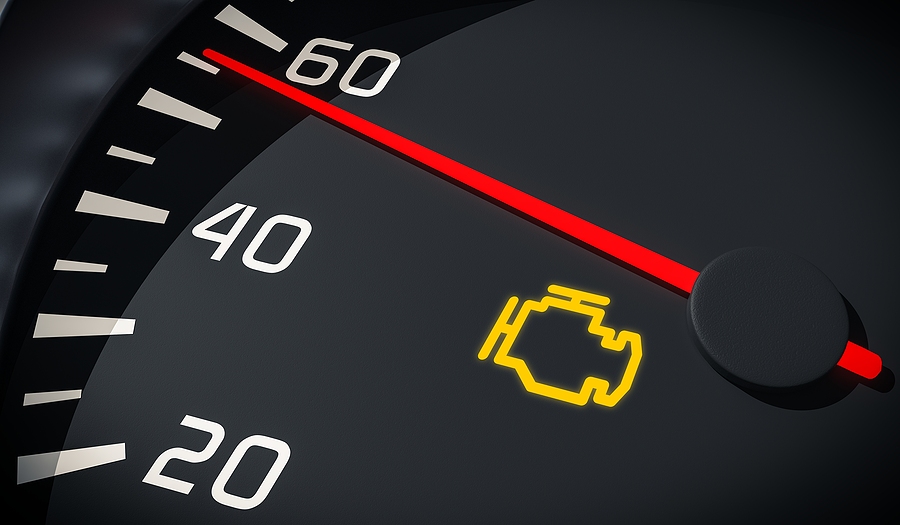
Uh oh. Your Check Engine Light icon just lit up. And instead of being the usual solid symbol or phrase, it is flashing. Is this nothing to worry about? Does this mean something serious? Continue below to learn some of the most common reasons why Check Engine Lights come on, including the meanings behind solid and flashing symbols.

Indianapolis Junk Car Buyers 317-608-2188

Check Engine Light Diagnosis

Before diving into the difference between a flashing Check Engine Light and a solid one, let’s cover some of the most common reasons why Check Engine Lights illuminate in the first place. Answer some questions, like “Did you just add fuel to your tank with gas?” or “Did your car jolt or vibrate the last time you drove it?” The answers to these questions can help you narrow down the cause behind the symbol. If you forgot to tighten your gas cap all the way, for instance, your car’s onboard computer system will trigger the Check Engine Light to turn on. If you felt a jolting, jerking, or vibrating movement from your car the last time you drove it, the culprit could be a quick fix like a worn spark plug.

Flashing Check Engine Light Versus Solid

For most vehicles, the Check Engine Light will illuminate in all its glory as a solid symbol or phrase to warn against minor to moderate problems. Some vehicles have a Check Engine Light that comes up solid or flashing. In vehicles that only have a solid Check Engine Light symbol, the color of the icon might change from sun colors to red to indicate a more serious issue.

If the symbol or phrase are flashing, it generally indicates a more serious problem. A flashing Check Engine Light suggests that you have an automotive emergency and should have your vehicle towed, that’s right, towed to the nearest mechanic shop for diagnosis. Driving with the Check Engine Light on is dangerous because it poses several safety risks, but also does a lot of damage to a vehicle.

Common reasons for a flashing Check Engine Light are engine misfiring and overheating. Both of these mechanical defects can do significant damage to the internal parts of the engine block, including cylinders, pistons, spark plugs, and more.

Red Check Engine Light

As mentioned, in addition to solid and flashing, Check Engine Lights can also be different colors, which might signify different types of mechanical needs. In most vehicles, a yellow or orange Check Engine Light denotes a minor to moderate mechanical, safety, or performance issue in a vehicle. If the light turns red, it is indicating an automotive repair emergency. In this case, a car should never be driven.

Did your car’s diagnosis come back totaled? Not to worry! You can still make a generous profit by selling it to a trusted Cash for Cars Company near you! Contact GC’s Junk Cars at 317-608-2188 to speak with a certified Indianapolis junk car buyer for details on how to get started! We offer free junk car removal and accept all old or broken auto parts!

Related Posts:

How to Tell if Your Car Has Bad Spark Plugs
Does a Check Engine Light Mean My Car is Totaled?
Frequently Asked Questions About Engine Flushes

Why Did the Car Dealership Give Me a Low Trade-In Value?

When you take your car into the dealership to trade it in for a new one, nothing is more disappointing than hearing that your trade-in value is not enough to cover the car you had in mind, or any for that matter. How do car dealerships determine trade-in value? Why did they offer you so little for your trade-in? Is their offer fair? Is it possible to increase your car’s trade-in price? These are all important questions to explore to better avoid falling victim to a low-ball offer from the dealer.

Continue reading to learn more about car dealership trade-in factors, including the scale used to generate offers.

Auto Salvage Yard Indianapolis Indiana 317-608-2188

Dealership Trade-In Values Will Always Be Less Than a Private Sale

It is important to understand that you will always make less from a dealership trade-in than you would by selling your vehicle to a private buyer. Those who prefer dealer trade-ins over private car sales are typically well-off, economically, and do not mind the loss they take for the sake of convenience. Others might prefer this route if they have limited time to make the sale or if they are temporarily located for work.

How Car Dealers Calculate Trade-In Pricing

There are many factors that dealerships rely on to generate a trade-in price for a vehicle. Of all the various factors, the top three factors that will have the most impact are: 1) the current demand for the particular make and model car; 2) the current condition of the car, including the mileage; and 3) the extent of needed repairs or replacements.

With these factors in mind, you can understand what you can do to increase your car’s trade-in value. Something as simple as washing and detailing your vehicle can get you a better offer. You can also make any small repairs or replacements, even if it’s just new windshield wipers and floor mats or removing bumper stickers.

Lastly, be sure to look up your make and model’s current market value using a trusted resource like Kelly Blue Book (KBB) or VehicleHistory.com. Use these portals to compare your findings to the dealer’s offer. This knowledge will protect you from being taken advantage of by a large, commercial dealership.

Alternative to Dealer Trade-Ins

You can choose to sell your car to a trusted and experienced Indianapolis auto salvage lot that would pay you for the scrap value of your vehicle. Not only do they retain the proper resources and equipment to generate an accurate offer, but they pay cash on the spot and provide free car pick-up.

Would you like an easy and profitable way to sell a car in Indy? Contact GC’s Junk Cars at 317-608-2188 to get started on the car selling process, today! Our Indianapolis IN junk car buyers pay cash on the spot for all vehicles, no matter the condition! Plus, we offer free junk car removal! No hidden fees, ever!

Related Posts:

Is My Car Totaled If It Is Over 50 Percent Damaged?
How to Assess Your Junk Car’s Worth
How to Make More Money the Easy Way

How to Recycle Old Car Wheels and Get Paid Doing It

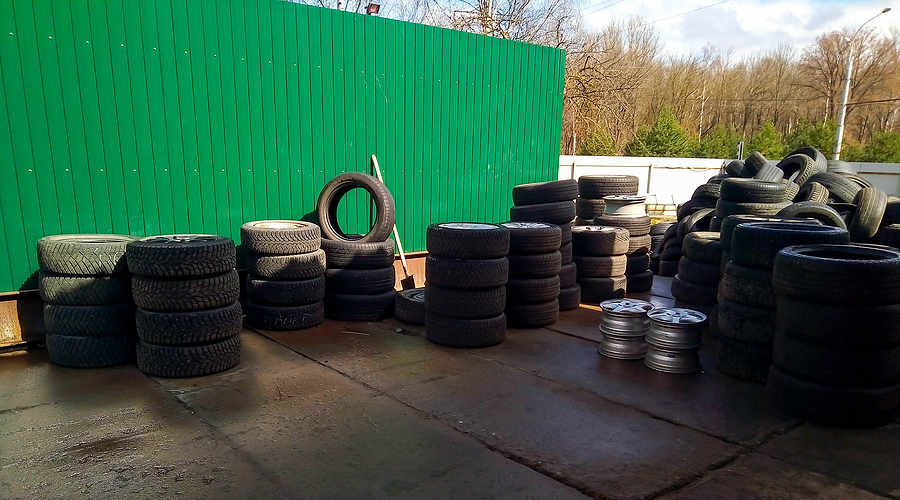
Aftermarket parts will never go out of trend in the automotive enthusiast world, especially when it comes to tires, wheels, and rims. If you have switched up the wheels on your ride, you probably have some old sets laying around, just taking up valuable storage space on your property. But did you know that old wheels can be cashed in at a local auto salvage yard for an instant profit?

Continue below to learn how to recycle used or old car wheels and get paid cash on the spot at the same time!

Auto Parts Recycling Indianapolis Indiana 317-608-2188

Wheel Maintenance and Replacement

A vehicle’s wheel system is made up of many parts, but the primary parts of the actual wheel include the tire, rim, and hub. These parts are all recyclable. Your car tires should be cared for on a routine basis, with services that include tire rotation and balancing, as well as regular tire pressure inspections and refills, and when the time comes, full tire replacement.

You can tell your tires are ready to be replaced by performing the penny tread test. Take a penny, turn it upside down with Lincoln’s head facing you, then stick the penny inside a tire groove. If you can see Lincoln’s head, that means the tire tread is low, below 2/23 inch, and you should replace your car tires.

Tires and Rims

These days, automotive design and innovation has taken car rims to a whole new level. Most are manufactured from or plated with metal, like steel, iron, titanium, platinum, silver, and even gold. Rims can be reused over and over again because of their metal composition, making them a valuable recyclable commodity.

As for tires, rubber can also be recycled and repurposed. Some of the most common applications for recycled rubber include asphalt, road construction materials, floor mats, car bumpers, caster wheels, window gaskets, pencils, and even rubber boots!

Tire and wheel hardware can be recycled as well, including lug nuts, bolts, hubs, hubcaps, spokes, torque wrenches, jacks, and more.

Car Wheel Recycling in Indianapolis

To recycle old tires and car wheels, all you have to do it find a trusted Indianapolis auto salvage yard. Choose a business with a good, long-standing reputation within the local Indy communities, and that has been in business long enough to call themselves professionals.

They will be the businesses that can pay you on the spot, in cash, and in the amount you deserve. Most importantly, a trusted auto salvage yard can be trusted to recycle car wheels responsibly, and in accordance with all EPA regulations and state laws governing such operations.

GC’s Junk Cars in Indianapolis pays cash on the spot for all junk cars, junked motorized assets, and junked car parts! Contact us at 317-608-2188 to sell used car parts in Indiana, today! We offer free towing with our in-house tow truck, so all you have to do is call and accept our offer!

Related Posts:

The Most Valuable Junk Car Parts and Where to Sell Them
How to Safely Get Rid of a Used Car Battery
The Average Cost to Replace a Catalytic Converter

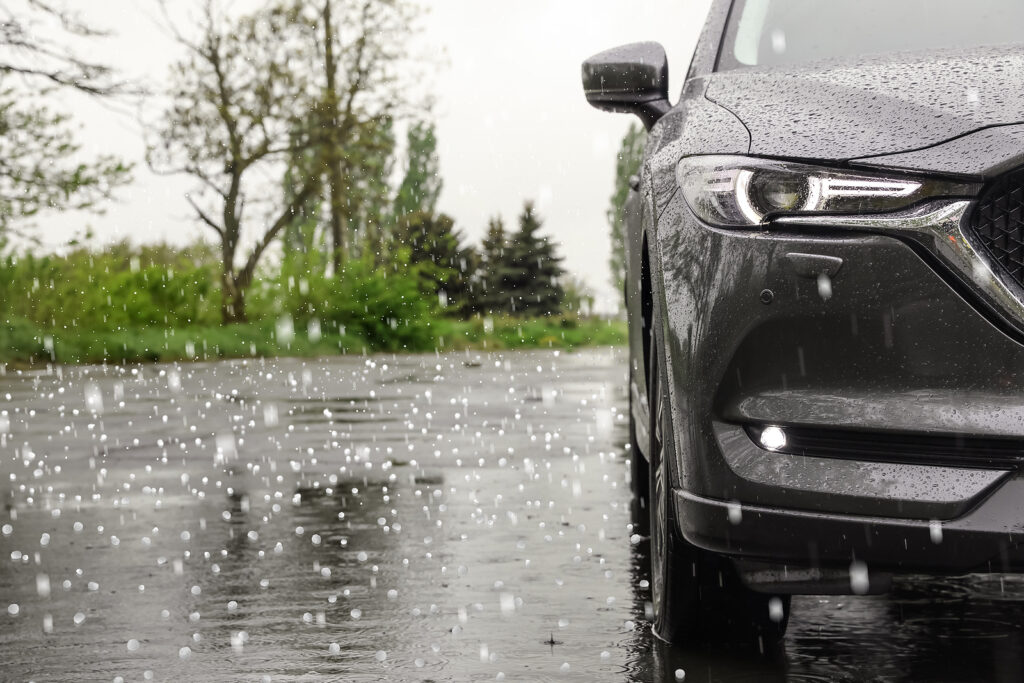
How to Wash a Junk Car With Rain

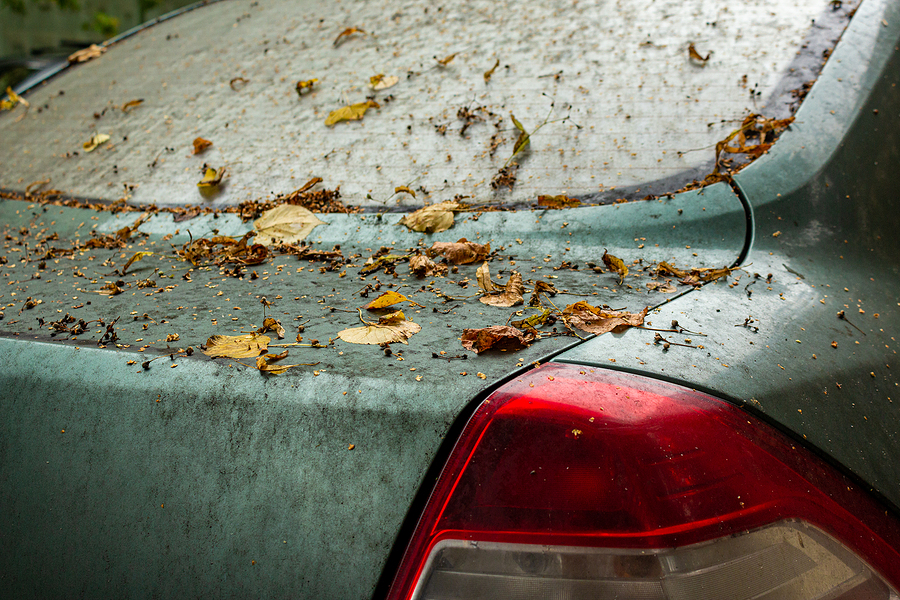
When you are ready to sell a junk car that has been occupying your precious square footage for far too long, preparation is the key to earning the most cash. Not only should you remove all of your personal belongings and aftermarket automotive accessories you wish to keep, but you should also clean the car up. Aside from clearing out the trash and leafy debris, washing the outside of a junk car can help you get a better offer from junk car buying companies. But don’t waste your time, effort, or worse, hard-earned money, getting your junk car polished up at the local car wash.

Here’s a great, Eco-friendly solution instead: naturally wash your junk car using the rain! That’s right; you can give your junk car a good cleansing by simply prepping it before a big rainstorm. Continue below to learn how!

Indianapolis Auto Salvage Lot 317-608-2188

Rain is Naturally Soft

Rainwater is naturally soft, which means it is entirely free of hard minerals. Once rain hits the ground, it permeates the underlying layers of soil, clay, sand, and aggregate, collecting hard minerals along the way. Depending on the level of water hardness in your region, your hose water could have these same hard minerals. This means that washing your car with rain can actually render better results because rain does not leave behind the remnants that hard mineral ions do. Such hard minerals can cause corrosion, spotting, and discoloration on vehicle paint and tires.

Tips for Washing Your Car in the Rain

First and foremost, you will need a lot of rain in the forecast. Keep your eye out on the weather and choose a day that predicts at least a 75% chance of rain. You want enough rainfall to adequately cleanse and rinse your junk car. A 30 minute rain shower may do the trick, but a heavier, more persistent rainstorm would be better.

Once you know which day will bring on the most precipitation, you can gather your supplies. You will need a non-toxic, biodegradable car wash soap, which you can purchase online or at any department store, auto parts store, or home improvement store. You will also need something to smear the soap in with, such as a sponge, rag, or towel.

How to Get Started

Be sure your junk car is in a position that will expose it to as much rainfall as possible. If it sits below an awning or carport, you will need to move it, otherwise you cannot wash it in the rain.

Begin smothering your junk car with the biodegradable car wash solution using your sponge or rag. It’s important to use a non-toxic, biodegradable car wash solution because you don’t want the water run off to negatively affect the surrounding environment.

Once you feel confident that your junk car is generously covered in a layer of car wash soap, you are all done! Now just sit back, kick your feet up, and wait for the rain to do all the work for you!

Now that your junk car is clean and sparkly, put it to good use by selling it to a local Indy auto salvage yard for cash on the spot! Contact GC’s Junk Cars at 317-608-2188 to sell your junk car in Indianapolis, Indiana for cash on the spot! We provide free junk car removal, so we come to you!

Related Posts:

How You Should Prepare for Selling a Junk Car
What Does a Junk Car Appraiser Look For?
The Secret to Making Good Money By Selling a Junk Car

What To Do if You Think There is a Dead Animal in Your Car

Animals like mice, rats, squirrels, chipmunks, birds, raccoons, opossums, and even cats are notorious for destroying vehicles by using them as shelters. An accessible vehicle provides them with all the warmth and privacy they need for the winter season. Now that spring is here, warmer weather should draw these critters out; that is, if the critter survived. Having an animal die somewhere inside your car is a bad scenario. The smell can be intolerable and perpetuating, plus the challenge of removing them tends to be tedious and costly.

If you think you have a dead animal inside your car, there are a few things you need to know. Scroll down to learn important tips about locating the dead animal, removing the dead animal smell, repairing the damages caused by their infestation, and selling your car if it is deemed totaled.

Sell Your Junk Car in Indianapolis! 317-608-2188

How Animals Get Inside Vehicles

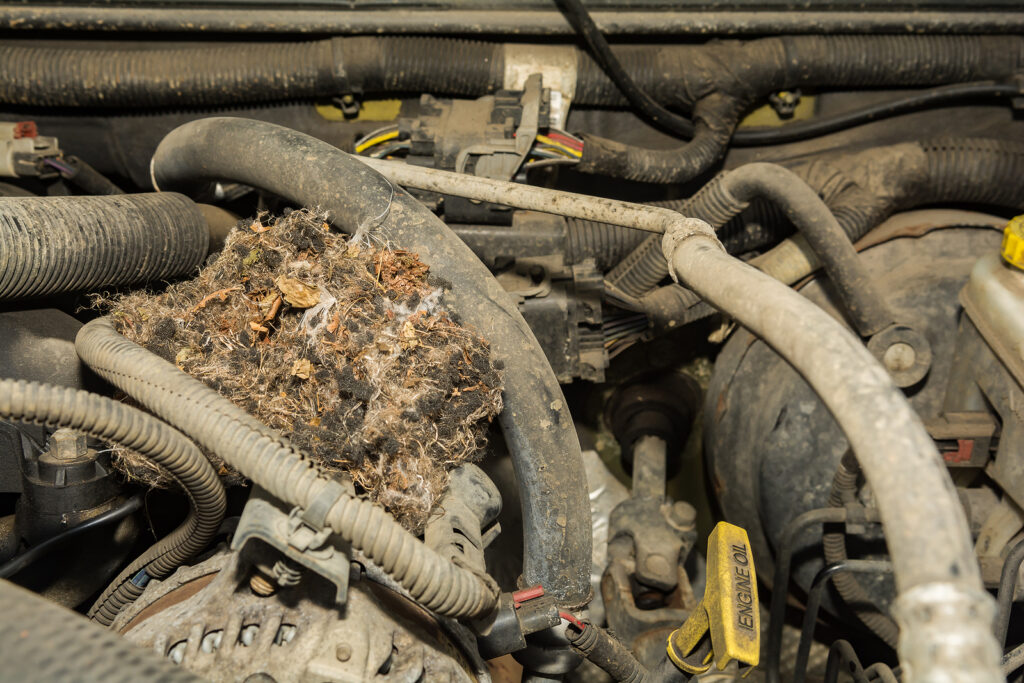
Abandoned or stationary cars are prime targets for animals seeking winter shelter accommodations. Critters tend to gain access to the interior parts of the vehicle by entering underneath. Openings in the vehicle’s undercarriage allow small critters to work their way inside trunks, under hoods, in mufflers, within door jams, and inside the ventilation system. If you have a vehicle that is not driven for long periods of time, it is wise to routinely inspect it for signs of animal infestation. Look underneath the car, under the hood, and in the trunk. Common signs of animals in cars include animal droppings, chewed up materials, nesting debris, and paw prints.

Getting a Dead Animal Out of Your Car

If you find a dead animal in your car and you can reach it, wear gloves to remove it. Then soak the dead animal in a disinfectant solution for 5 minutes before double-bagging it in a sealable plastic bag. When you are done, toss it in the garbage for trash collection.

If you see the signs and know there’s an animal in your car but you can’t reach it, you might have to take it into a mechanic to get it out. Cars have a lot of nooks and crannies that cannot be accessed without a little dismantling.

Because it is difficult to spot the signs of a car animal infestation, in most cases the animal winds up dead before the owner even knows it was there. Dead animal odor coming from the vehicle is usually the first indication noticed by car owners.

How Animal Infestations Damage Cars

Having an animal infest your vehicle will not do your vehicle any good. In fact, it will cause a lot of damage. Not only will their droppings and urine damage inner components, including electrical wiring and upholstery, but their chewing and tampering can damage the electrical wiring and other electrical systems in the vehicle. Nesting materials and food scraps can obstruct hoses and weigh down belts, plus clog up other important mechanical systems.

These damages are extensive, making them quite expensive to repair. For this reason, most cars that fall victim to animal infestation, especially ones in which the animal dies inside, are deemed a total loss. This means that the cost to repair them back to a safe and operational condition exceeds the current value of the vehicle.

Removing Dead Animal Smell

Eliminating dead animal smell in a car is a challenging project that typically requires a combination of methods. If the dead animal burrowed into the ventilation system, the entire vehicle would need to be professionally sanitized to ensure there are no hazardous particles present in the passenger cabin. Otherwise, you will need to implement a series of cleaning, deodorizing, and sanitizing steps to get rid of dead animal smell in a car. This includes using fumigation technologies and deodorizer bombs.

Is your car totaled because of a long-term animal infestation? Contact GC’s Junk Cars at 317-608-2188 to sell a junk car in Indianapolis, Indiana. We offer free junk car removal, so all you have to do is call and accept our offer! Request a free estimate, today.

Related Posts:

The Most Effective Solutions for Smelly Car Problems
Funny Vehicle Hacks for Lazy Car Owners
Frequently Asked Questions About Engine Flushes

How to Tell if Your Car Has Bad Spark Plugs

You don’t have to be a mechanic to know when something’s going wrong within your vehicle. Many automotive systems and parts will present signs that indicate they need repaired or replaced, including the spark plugs. Not sure what spark plugs do? Don’t know how to look for signs of bad Spark plugs? No problem.

Continue reading to learn how to tell if your car has bad spark plugs, plus what you can do if your car is no longer a good candidate for repair.

Junk Car Buyers Indianapolis Indiana 317-608-2188

Spark Plug Basics

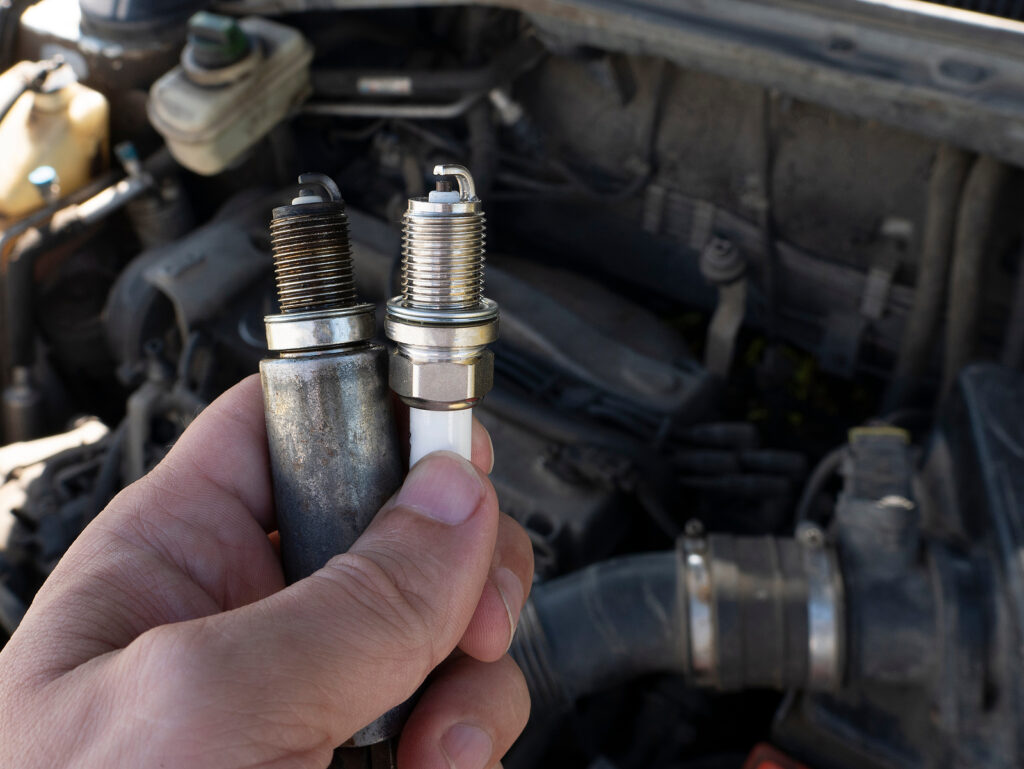
Your vehicle contains all sorts of electrical systems and devices. That is exactly what your spark plugs are. They are small, internal electrical devices designed to trigger combustion within the engine by igniting the air-fuel mixture within the combustion chambers of the engine’s cylinders. This in turn provides power to the engine and allows you to drive your vehicle. So, if your spark plugs are bad, you’re not going to have any luck turning over the ignition, nor maintaining smooth driving operation.

Spark Plug Replacement

The good news is that spark plugs tend to last a long time. In fact, you probably won’t have to change at your spark plugs until you take your car in a few times for routine service. Your mechanic will likely tell you when you need your spark plugs replaced. More good news is that spark plug replacement is typically inexpensive because they are on the cheaper side of automotive parts. Keep in mind, you will need to pay for labor to have them installed in addition to the price of the spark plugs.

Generally, spark plugs can last up to 100,000 miles or more. It is suggested that copper spark plugs do not last as long as industry conventional spark plugs made of platinum or iridium. Refer to your owner’s manual for specific recommendations on spark plug replacement for your make and model vehicle.

Common Signs of Failing Spark Plugs

Ready to learn how to spot the signs of bad spark plugs in your vehicle? Your spark plugs might be going bad if any of these statements are true about you and your vehicle:

▶ You are experiencing poor gas mileage.
▶ The engine continues to misfire.
▶ You have trouble starting your engine.
▶ Your vehicle accelerates slowly, or slower than before.
▶ Your vehicle has rough idling.

It is important to have your spark plugs replaced in a timely manner so that you can get the best use out of your vehicle. If you fail to provide your car with the proper maintenance and repairs along the way, it will eventually total out. Once your car is a total loss, it is no longer a good candidate for repair. In such a case, you can sell it to a local junk car buyer in Indianapolis for cash on the spot.

Are you ready to get started with the junk car selling process in Indianapolis? Contact GC’s Junk Cars at 317-608-2188 to learn the honest scrap value for your junk car from a licensed Indiana auto salvage associate. We provide free junk car removal too!

Related Posts:

Why is My Check Engine Light On?
Do I Need Car Radiator Repair?
Is My Car Totaled if the Engine Blew?

Do You Need Car Brake Repair or Replacement?

Do you suspect that your car brakes are acting funny, but not sure which signs to look out for to confirm your suspicions? Continue reading to learn how to tell if your car needs brake repair or brake replacement, plus what you can do if the cost to repair your vehicle is simply too high.

Indiana Junk Car Buying Company 317-608-2188

How to Know if You Need Car Brake Repair or Replacement

It would be a perfect world if our cars and trucks never required routine maintenance and upkeep, but unfortunately that is not reality. Our vehicles require a specific level of care to preserve and sustain appearance, performance, and most importantly, safety. Routine maintenance such as windshield wiper blade replacement, radiator flushes, tire rotations, oil changes, tune-ups, and more, are critical to overall vehicle preservation.

One of the most important components to keep in a safe and functional condition is the braking system. This system requires special attention in order to keep you safe on the road and protect your investment. If you neglect your car brakes, not only can it cause extra damage to your vehicle, but it can also lead to your car being a total loss.

That is because, in many cases, when an entire braking system needs to be replaced, the cost can exceed the total value of the vehicle. In this situation, a person’s best bet is to sell their totaled car to a junk car buyer, purchase another vehicle, and then stay dedicated to a routine brake maintenance agenda to avoid vehicular damage.

Brake Pad and Brake Rotor Deterioration

To understand how to identify or look out for brake problems in your vehicle, first it is helpful to understand the basic components of a car brake system.  There are four general parts: the hydraulic clamp, brake fluid line, brake pads, and brake rotors. Some may argue that brake pads and rotors are actually part of the wheel, but in this case, we will still include them because they can influence the need for brake repair.

In most cases, the brake lines and hydraulic clamp will not experience much wear and tear; they are built to last a long time. On the other hand, brake pads and rotors are susceptible to wear and tear at all times and will need replacing every few thousand miles or so. They are exposed to deterioration every time you drive because the pad presses against the smooth metal rotor every time the brake is applied.  Over time, this pad is worn down and will make a recognizable noise to warn you that they are low.

Brake pads whine or hiss when they get low.  The noise is actually the result of the bare pad scraping against the metal rotor (the metal disk that spins on the wheel) and causing friction between them.  It can start out as a faint squeak and turn into a high-pitched squeal if neglected.

If you hear grinding, then the pad is most likely worn completely thin and is grinding against the rotor.  This can really damage the brake rotors. The thickness of the brake padding, the amount of driving you do, and the way you drive all influence the number of times you will need to replace them.

When the Cost of Car Brake Repair is Too High

If you discover that your car brakes are shot and need to be replaced, but the cost exceeds the total value if your vehicle, you can still make it profitable by selling it to an Indianapolis junk car buyer. Choose a company that has premium electronic scales that can accurately assess the value of your junk car. Then use the cash toward another vehicle!

Is your vehicle in mechanical trouble but you can’t afford auto repair? Perhaps the cost of car brake repair is higher than the total value of your vehicle? If so, contact GC’s Junk Cars at 317-608-2188 to sell your total loss vehicle for cash on the spot to our trusted Indianapolis cash for cars company!

Related Posts:

3 Things You Can Do With Old Car Parts
Do I Need Car Radiator Repair?
Can the Wrong Fuel Damage a Car?

GC's Junk Cars Indianapolis Indiana
GC’s Junk Cars Indianapolis Indiana

Funny Vehicle Hacks for Lazy Car Owners
Life is full of all sorts of obligations and to-do lists. So, who really has time to take perfect care of their vehicles? Not many! If you are a self-diagnosed lazy car owner, you are not alone. There are thousands, if not millions of other drivers out there looking for an easier way to maintain their vehicles. Accordingly, you will be thrilled to learn some funny and effective hacks that help you stay current on your car care responsibilities.

Continue below to get started!

Indianapolis Auto Salvage 317-608-2188

Car Maintenance Hacks You Need to Know

Of course, you cannot rely on just a few simple car hacks when it comes to taking good care of your vehicles. Routine maintenance implemented by a licensed mechanic is vital to overall vehicular performance, and most importantly, safety. However, there are some silly, yet effective, automotive hacks that can truly make life a lot easier for you! Here are some top-recommended ones to try out right away:

Use a Penny to Check Tire Tread

Are you always wondering about the condition of your tires, but you are too lazy to take your car into a tire shop for service? Well, just use a penny to check your tire tread. When treads are 4/32 of an inch or lower, tires should be replaced; anything below 2/32 of an inch is illegal!  To measure your tire tread, just place a penny headfirst inside the tire groove. If you can see if Lincoln’s head, your tread is low.

Headlight Restoration With Toothpaste

Yes, toothpaste. You can use toothpaste to clean your teeth, treat acne, and even clean your headlights and taillights! Headlights can oxidize overtime, which causes them to cloud up. You can eliminate this cloudiness with a simple toothpaste polish. Any paste will do; just squirt some on and polish it off with a clean wet rag!

De-Clutter With Cereal Containers and Shower Caddies

Are you one of those car owners whose vehicle is always clutter with an endless pile of trash, accessories, makeup, and more? Well, buy yourself a plastic cereal storage container to use as a portable car trashcan! Then buy a shower caddy to place in your car and use as an organization station for sunglasses, blush, lip balm, notepads, tablets, chargers, and all other things that typically get lost in the clutter.

Keep Takeout Warm With Seat Heaters

Does your car have seat warmers? If so, be sure to turn them on when you have Chinese takeout or pizza carryout on your passenger seat! It really works! This is especially helpful for those long, after-work commutes home or unanticipated traffic delays.

Freshen Up the Interior With Dryer Sheets

When you don’t have time to take your car into the detail shop or stop by the store for some new car air fresheners, just take a little trip to your laundry room instead. Stuffing fresh dryer seats in the creases of seat cushions and underneath the driver and passenger seats can create a fragranced and refreshed interior cabin environment. Plus, it saves you a lot of money!

Apply Nail Polish to Window Cracks for a Temporary Fix

Do you have a crack in your window, but you don’t have time to take your car in to the shop right now? Just apply a little nail polish to mitigate the growth of the crack. As a temporary solution, you can use a clear nail polish on a window crack in your car to prevent the crack from worsening. This will give you little more time before having to take your car in for repair.

Were you a little too neglectful with car maintenance over the years, and now it’s completely totaled or junked? Contact GC’s Junk Cars at 317-608-2188 to sell your junk car for cash on the spot to one of our Indianapolis Indiana junk car buyers! We even offer free junk removal!

Related Posts:

The Most Effective Solutions for Smelly Car Problems
Car Care Tips for Older Cars
3 Things You Can Do With Old Car Parts

GC's Junk Cars Indianapolis Indiana
GC’s Junk Cars Indianapolis Indiana

What You Need to Know About Liability Car Insurance Coverage

If you have just bought or received a new car you plan on driving, you will need car insurance. How much car insurance coverage you need depends mostly on what the state requires, but also your personal preferences, namely budget. Most states, including here in Indiana, require that all drivers maintain automotive liability insurance coverage at all times. This is known as the state-minimum for car insurance coverage.

Continue reading to learn some important facts about car insurance liability coverage that can help you better understand your options.

Totaled Car Buyers Indiana 317-608-2188

Liability Car Insurance Coverage Facts

Automotive liability insurance coverage is a type of car insurance coverage that only covers another person’s bodily injuries and property damages. The owner of the liability insurance policy is not covered. Let’s dive into this little further.

There are two types of liability car insurance coverage: bodily injury liability coverage and property damage liability coverage. Drivers are required to have both kinds of coverage at all times to operate a motor vehicle, legally.

▶ BODILY INJURY LIABILITY COVERAGE (BI) = Bodily injury liability car insurance covers another driver’s injuries, including their medical expenses and hospital bills.

▶ PROPERTY DAMAGE LIABILITY COVERAGE (PD) = Property damage insurance coverage pays for another driver’s automotive repairs, or for a new vehicle if the car is totaled.

Coverage Limits for Liability Car Insurance Policies

Although automotive liability car insurance covers another driver’s bodily injuries and property damages, you could still be responsible for paying out-of-pocket if the total cost exceeds your policy’s coverage limit. The state does set a minimum limit, but when you are purchasing car insurance, you can choose your own limit.

Let’s say you cause an accident, and the total cost of the of the driver’s medical expenses and property damages totals out to $25,000. Your insurance carrier will cover this cost so long as your coverage limit is at least that amount. If your coverage limit was only $20,000, you would be responsible for paying the remaining $5,000 out-of-pocket.

Your Bodily Injuries and Vehicle Damages

Under an automotive liability insurance policy, your own bodily injuries and property damages are not covered. The only parties covered are other drivers harmed in the accident. For this reason, it is strongly recommended to add collision insurance coverage to your liability insurance policy. Collision coverage would cover your bodily injuries and property damages in the case of an accident, but it would also come with a coverage limit. You can choose your coverage limit based on your budget and how comfortable you feel paying out-of-pocket in the case of an accident.

Comprehensive Insurance Coverage

Collision automotive insurance coverage does not cover other types of vehicle damages outside of motor vehicle accidents, such as a tree falling on your car or hail damage. If you want these types of damages covered, you will need comprehensive automotive insurance coverage.

Have you totaled your vehicle but only have liability insurance coverage, leaving you with no means to pay for repairs? Contact GC’s Junk Cars at 317-608-2188 to sell your junk car in Indianapolis, Indiana for cash on the spot! We provide free junk car removal, so we come to you!

Related Posts:

How You Should Prepare for Selling a Junk Car
General Qualities of a Total Loss Car
Is a Car Totaled if the Airbag Deploys?

GC’s Junk Cars
GC’s Junk Cars 317-608-2188

Vital Car Fluids and What You Need to Know About Them

Your vehicle is an important asset that requires routine maintenance and responsible driving to perform safely, efficiently, and for many years. Among the various car maintenance requirements for all vehicles, regardless of make or model, automotive fluid management is arguably the most important task. Your vehicle requires 7 of them, all at once, without exception. Do you know what they are?

Continue reading to learn the seven essential automotive fluids every vehicle needs to drive safely and stay in good condition for years to come.

Indianapolis Salvaged Car Buyers 317-608-2188
Indianapolis Junk Car Buyers 317-608-2188

Your Vehicle Needs These 7 Car Fluids

Motor Oil

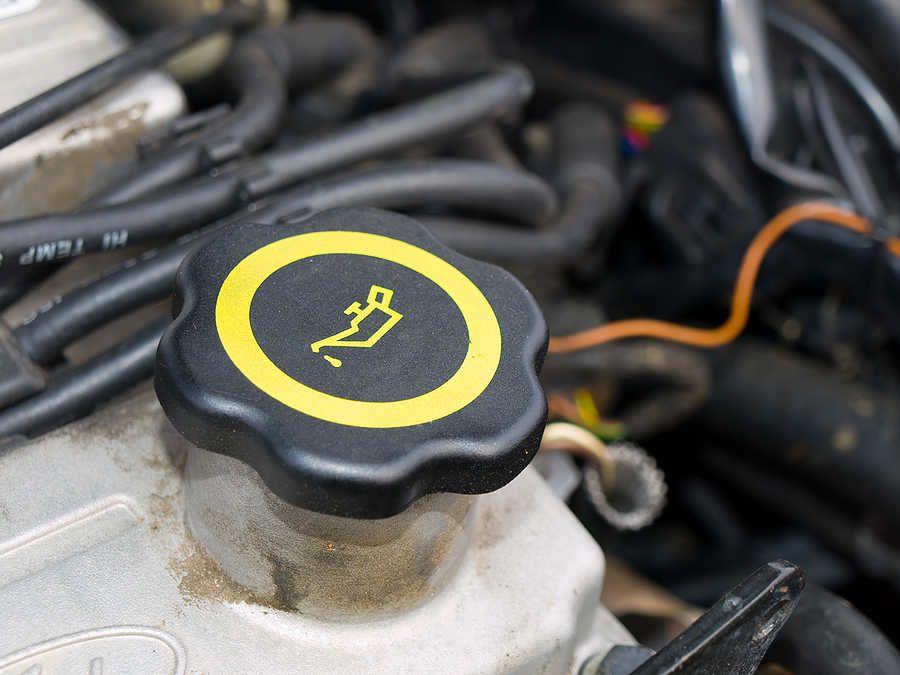
Engine oil is of course one of the most well-known and significant fluids for cars and trucks. It lubricates all the inner workings and moving parts of a car engine’s crank case to reduce heat-causing friction. Without proper lubrication at all times, parts like pistons, valves, and more, are subject to damage. This renders a motor useless.

Depending on the make and model of your particular vehicle, the schedule for oil changes will vary slightly. Check your owners’ manual or consult a trusted local mechanic for information about your vehicle’s factory scheduled maintenance. Generally, motor oil should be changed every 5,000 or 6 months, whichever comes first.

Radiator Fluid

Your vehicle’s coolant is a must, since without it, your car is sure to overheat. Radiator fluid, also called coolant or antifreeze, is a 50/50 combination of solution and water, and can come in a variety of colors depending on the brand and type you buy. It keeps the engine from overheating by circulating through the engine and collecting heat, returning it to the radiator, and then dispersing this heat outside. This should be changed as needed, depending on how often you drive and your driving habits. Generally, coolant should be changed every 3 to 5 months, or 3,000 to 5,000 miles.

Windshield Wiper Fluid

Most often forgotten or overlooked, windshield wiper fluid is an essential part of driver and passenger safety. This is a fluid anyone can re-fill themselves, as needed. Simply by this well-known blue solution at a gas station or auto parts store. Refill as needed.

Transmission Fluid

Transmission fluid is red in color and very similar to motor oil in terms of its function. This is because it cools and lubricates the inner workings of a vehicle’s transmission. This keeps the vehicle’s gears in good condition, allowing for easy gear changes and functionality. Generally, this fluid should be changed one time per year. Again, check your owner’ manual, or download one online, for specific maintenance schedule information.

Brake Fluid

In terms of passenger safety, you might say brake fluid is the most important for a vehicle. Brake fluid allows for proper hydraulic functioning of the car brakes. When you push down on the brake pedal, the brake fluid compresses, sending hydraulic force to the brake pads and shoes, which provides the friction needed to stop a vehicle. Generally, brake fluid should be replaced every 2 years, or 30,000 miles. Check your owners’ manual for details.

Power Steering Fluid

Power steering fluid is pressurized by a small hydraulic pump that is powered by the vehicle’s engine. It allows the vehicle to turn easier. This fluid enhances the steering mechanism of a car or truck. Without it, it would feel as if the steering wheel weighs 100 pounds. Power steering fluid needs replaced generally every 4 years or 60,000 miles.

Battery Fluid

If your vehicle has a “maintenance-free” battery, then you will not be required to check its fluid levels. But for older model cars and trucks, batteries have individual cells that need to be refilled with battery fluid. This fluid, of course, maintains the car battery’s power, allowing for turning the ignition and starting the engine. Battery fluid should be changed generally every 6 to 8 months or 7,500 miles.

If your car bites the dust, don’t think for a second that you are out of luck! Contact GC’s Junk Cars at 317-608-2188 to sell a junk car in Indianapolis, Indiana. We offer free junk car removal, so all you have to do is call and accept our offer! Request a free estimate, today.

Related Posts:

When and Why You Need to Change the Motor Oil in Your Car
Why is My Check Engine Light On?
Do I Need Car Radiator Repair?

GC’s Junk Cars
GC’s Junk Cars 317-608-2188