
Catalytic Converter Cost: Is Replacement Even Worth It?

A sputtering engine, a check engine light, and a foul smell—these are all potential signs of trouble with your vehicle. While several issues could be the cause, one of the most common (and costly) is a failing catalytic converter. This essential component not only keeps your car running smoothly but also plays a vital role in protecting the environment.

Understanding what a catalytic converter does, recognizing the symptoms of failure, and knowing the potential replacement costs can save you from unexpected expenses and keep your vehicle compliant with emissions laws. This guide will walk you through common catalytic converter problems, the factors that influence replacement costs, and what to do if the repair bill is more than your car’s actual cash value.
Call 317-608-2188 to Get Started With Junk Car Scrapping in Indianapolis Indiana

What is a Catalytic Converter?

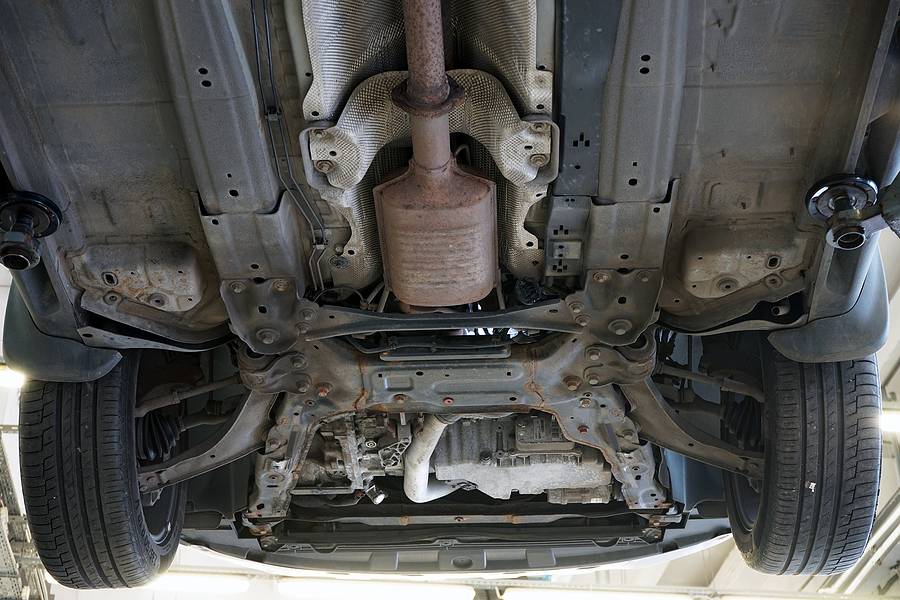
The catalytic converter is a part of your car’s exhaust system located between the engine and the muffler. Its primary job is to convert harmful pollutants produced by your engine—like hydrocarbons, carbon monoxide, and nitrogen oxides—into less harmful gases, such as carbon dioxide and water vapor. It uses a catalyst, typically made of precious metals like platinum, palladium, and rhodium, to trigger this chemical reaction.

Under the federal Clean Air Act, all vehicles are required to have a functioning catalytic converter to reduce air pollution. Driving without one is not only illegal but also significantly increases your car’s environmental impact.

Common Signs of a Bad Catalytic Converter

Catalytic converter problems can manifest in several ways. Being aware of these signs can help you address the issue before it leads to more severe engine damage.

  • Reduced Engine Performance: A clogged converter can restrict exhaust flow, making your engine feel sluggish and less responsive. You might notice poor acceleration or a general lack of power.
  • “Rotten Egg” Smell: A distinct sulfurous smell, similar to rotten eggs, coming from your exhaust is a classic sign that your converter isn’t properly processing the gases from your engine.
  • Check Engine Light: A failing catalytic converter will often trigger your vehicle’s check engine light. A diagnostic scan can confirm if the converter is the source of the problem.
  • Failed Emissions Test: If your car fails an emissions test, a malfunctioning catalytic converter is a likely culprit.
  • Rattling Noises: If you hear rattling sounds from under your car, it could mean the honeycomb mesh inside the converter has broken apart.

How Much Does a Catalytic Converter Cost?

The cost of a catalytic converter replacement can vary significantly depending on several factors, including your vehicle’s make and model, your location, and whether you choose an original equipment manufacturer (OEM) or aftermarket part.

  • Vehicle Make and Model: Different cars require different types of converters. High-performance or luxury vehicles often have more complex and expensive systems.
  • Labor Costs: Labor rates vary by region and repair shop. The complexity of the installation can also affect the time it takes to replace the part.
  • OEM vs. Aftermarket Parts: OEM parts are made by the vehicle manufacturer and are generally more expensive but guarantee a perfect fit. Aftermarket parts are cheaper but may vary in quality and longevity.

Here are some estimated replacement costs for popular car models:

  • Honda Accord: $800 – $1,500
  • Toyota Camry: $900 – $1,600
  • Ford Explorer: $1,000 – $1,800
  • F-150: $1,100 – $1,900
  • Jeep Wrangler: $1,200 – $2,000

When Repair Costs Exceed Your Car’s Value

Sometimes, the catalytic converter cost is so high that it approaches or exceeds your vehicle’s actual cash value (ACV). When a car’s repair costs are higher than its fair market value, it may be considered a totaled car. In this situation, investing in a major repair may not be financially wise. Instead of sinking money into an aging vehicle, you might consider selling it.

The junk car value typically ranges from $100 to $500, but this can increase based on the car’s weight, current scrap metal prices, and the presence of valuable components. Getting quotes from multiple junk car buyers can help you secure a fair price.

The Benefits of Scrapping Your Car

If you decide that replacing your catalytic converter isn’t worth the cost, scrapping your junk car offers several advantages:

  • Get Cash for a Non-Functional Vehicle: Scrapping allows you to get an instant cash payout for a car that might otherwise sit unused.
  • Avoid Expensive Repairs: You can put the money you would have spent on repairs toward a more reliable vehicle.
  • Environmentally Friendly: Scrapping ensures that hazardous materials are disposed of properly and that valuable parts and metals are recycled.
  • Free Up Space: Getting rid of an old car clears valuable space on your property.
  • A Quick and Easy Process: Reputable junk car buyers handle most of the work, including towing, making the process simple and hassle-free.

FAQs About Scrapping a Car

How do I know if my car qualifies for scrapping?

Most vehicles, regardless of their condition, qualify for scrapping. Whether your car is damaged, non-operational, or simply old, junk car buyers typically accept a wide range of makes and models.

What paperwork is required to scrap my car?

You will generally need to provide proof of ownership, such as the vehicle title, to complete the transaction. Some buyers may also require a valid ID for verification.

Will I need to pay for towing?

No, reputable junk car buyers like GC’s Junk Cars in Indianapolis often include free towing as part of their service, ensuring a convenient and cost-free experience for you.

Can I still scrap my car if it doesn’t run?

Absolutely! Non-operational vehicles are still valuable for their parts and scrap metal, and most buyers are willing to take them off your hands.

In Summary

A failing catalytic converter is a serious issue that impacts your car’s performance and the environment. While the replacement cost can be steep, it’s a necessary repair for keeping your vehicle road-legal and running efficiently. However, if the repair bill is more than what your car is worth, it may be time to consider other options.

Weigh the catalytic converter cost against your vehicle’s overall condition and fair market value. If it’s time to move on, selling your totaled car for cash can be a smart and responsible choice. Our team of junk car buyers offers competitive prices and a seamless process, giving you an instant cash payout for your vehicle.

Call Now For Your Offer

Related Post: The Pros and Cons of Replacing a Catalytic Converter on an Older Vehicle
Recycling Reinvented: The Hidden Potential of Junk Car Parts

In an era where sustainability is more than a buzzword, it’s time to shine a spotlight on an industry that’s been green long before it was fashionable: automotive recycling. The junk car parts that clutter garages, yards, and streets are not mere scraps destined for the landfill. They are valuable resources, hidden gems laden with untapped potential.

As a discerning junk car buyer, understanding the value and potential of these parts can be a game-changer. Join us as we delve into the world of automotive recycling, unearthing the surprising utility and environmental benefits that lie within your old, seemingly worthless vehicle.

Call 317-608-2188 to Sell Scrap Car Parts in Indianapolis Indiana

The Environmental Impact of Junk Car Parts

It’s no secret that vehicles are major contributors to carbon emissions, with the transportation sector responsible for a significant portion of greenhouse gas emissions. By recycling junk car parts, we can significantly reduce this impact and help pave the way for a more sustainable future. In fact, according to recent statistics from the Automotive Recyclers Association, the automotive recycling industry is responsible for diverting over 30 million tons of waste from landfills annually.

By dismantling and reusing parts, we can eliminate the need to produce new ones, reducing emissions and conserving natural resources. Plus, recycling just one ton of steel saves approximately 2,500 pounds of iron ore, 1,400 pounds of coal and  120 pounds of limestone. By choosing to recycle your junk car parts, you are not only helping the environment but also supporting a circular economy.

The Surprising Value of Junk Car Parts

While it may seem counterintuitive, many components in your old vehicle still have value even after years on the road. From batteries and tires to catalytic converters and engines, these parts can be refurbished, repurposed, and resold for use in other vehicles or industries. For instance, a catalytic converter contains precious metals like platinum and palladium that can be extracted and used in jewelry, electronics, and even dental work. Auto scrappers pay scrap market prices for parts like these.

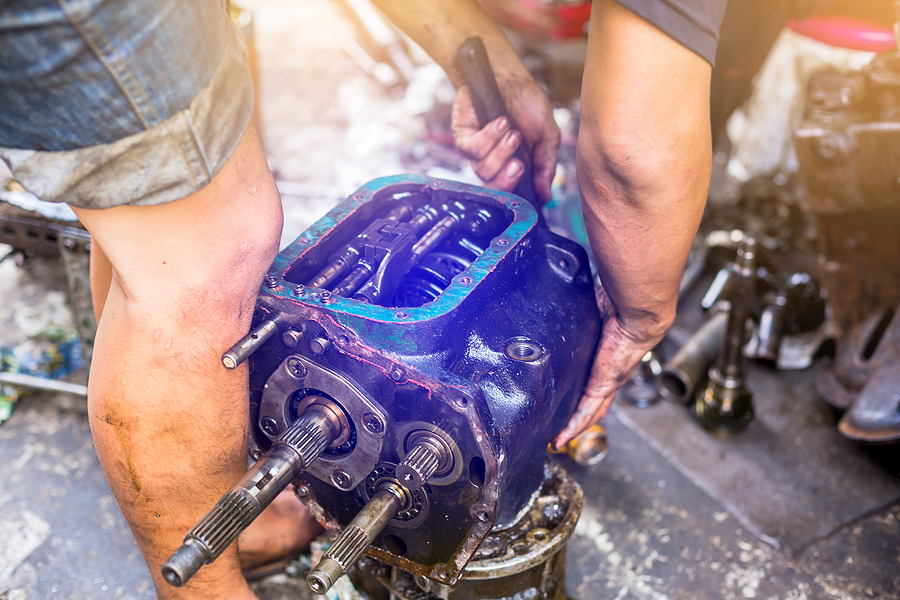
Scrap auto parts that are highest in demand include engines, transmissions, starter motors, alternators, and radiators. Other valuable components include doors, fenders, hoods, bumpers, headlights, and seats. So, in addition to being environmentally friendly, recycling your junk car parts can also earn you some extra cash. Just be sure to choose a reputable and licensed automotive scrapper/junk car buyer in your area. They have the capital and assets to pay you fairly and provide certain conveniences, like free towing.

The Role of the Junk Car Buyer

But what about those who don’t have the time or resources to dismantle and sell individual parts? That’s where a reputable Indianapolis junk car buyer comes in. These professionals specialize in dismantling, salvaging, and recycling vehicles of all kinds, from cars and trucks to motorcycles and more. They offer a convenient solution for those looking to get rid of their old vehicles while also ensuring that these parts are recycled and put to good use. Moreover, by selling your junk car to a buyer, you’re helping support an entire industry dedicated to sustainable practices and environmental preservation.

Embracing the Green Side of Automotive Recycling

As we’ve seen, there’s more than meets the eye when it comes to junk car parts. These seemingly worthless remnants of our old vehicles have the potential to make a significant impact on our environment and economy. By choosing to recycle, we can reduce emissions, conserve resources, and support a thriving recycling industry. So next time you find yourself with an old car that’s no longer roadworthy, remember the hidden potential of its junk parts and opt for the greener option – automotive recycling.

Do you want to recycle some of your old or broken automotive scrap for an instant cash payout? Contact GC’s Junk Cars at 317-608-2188 to sell scrap auto parts in Indiana, today! You can be confident that you will receive the best price for your automotive scrap as you will be selling it directly to our scrapyard.

Related Posts:

The Most Valuable Junk Car Parts and Where to Sell Them
The Pros and Cons of Replacing a Catalytic Converter on an Older Vehicle
Car Engine Repair Costs Explained: What to Expect When You Need a Fix

How to Tell if Your Car Has Bad Spark Plugs

You don’t have to be a mechanic to know when something’s going wrong within your vehicle. Many automotive systems and parts will present signs that indicate they need repaired or replaced, including the spark plugs. Not sure what spark plugs do? Don’t know how to look for signs of bad Spark plugs? No problem.

Continue reading to learn how to tell if your car has bad spark plugs, plus what you can do if your car is no longer a good candidate for repair.

Junk Car Buyers Indianapolis Indiana 317-608-2188

Spark Plug Basics

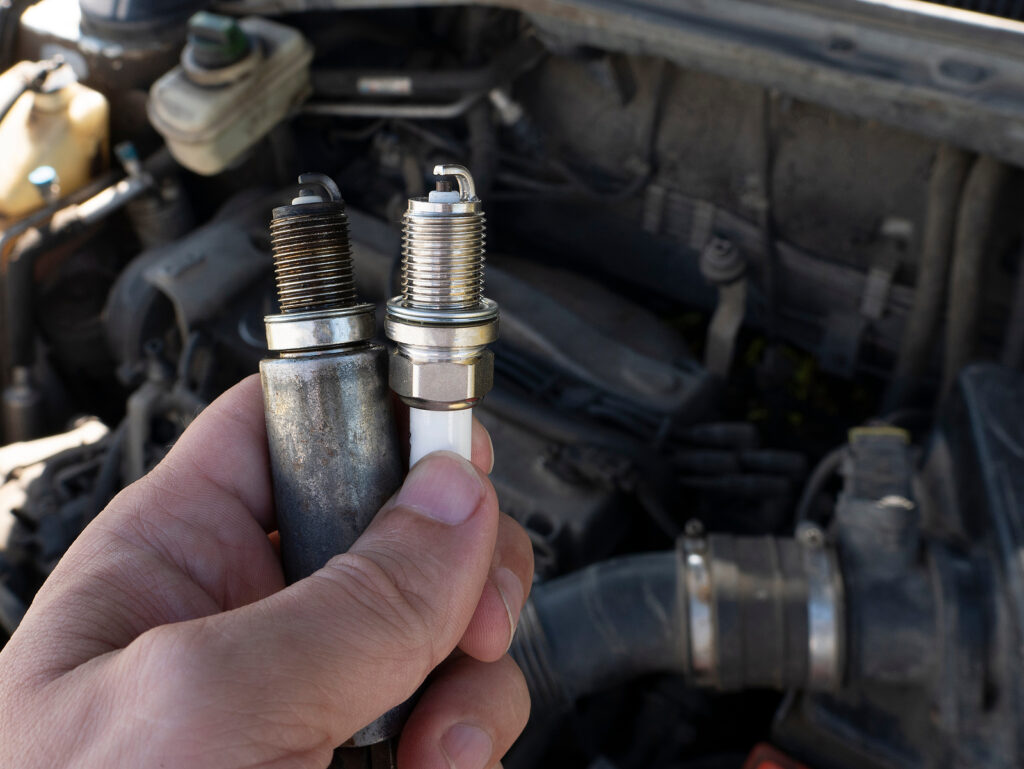
Your vehicle contains all sorts of electrical systems and devices. That is exactly what your spark plugs are. They are small, internal electrical devices designed to trigger combustion within the engine by igniting the air-fuel mixture within the combustion chambers of the engine’s cylinders. This in turn provides power to the engine and allows you to drive your vehicle. So, if your spark plugs are bad, you’re not going to have any luck turning over the ignition, nor maintaining smooth driving operation.

Spark Plug Replacement

The good news is that spark plugs tend to last a long time. In fact, you probably won’t have to change at your spark plugs until you take your car in a few times for routine service. Your mechanic will likely tell you when you need your spark plugs replaced. More good news is that spark plug replacement is typically inexpensive because they are on the cheaper side of automotive parts. Keep in mind, you will need to pay for labor to have them installed in addition to the price of the spark plugs.

Generally, spark plugs can last up to 100,000 miles or more. It is suggested that copper spark plugs do not last as long as industry conventional spark plugs made of platinum or iridium. Refer to your owner’s manual for specific recommendations on spark plug replacement for your make and model vehicle.

Common Signs of Failing Spark Plugs

Ready to learn how to spot the signs of bad spark plugs in your vehicle? Your spark plugs might be going bad if any of these statements are true about you and your vehicle:

▶ You are experiencing poor gas mileage.
▶ The engine continues to misfire.
▶ You have trouble starting your engine.
▶ Your vehicle accelerates slowly, or slower than before.
▶ Your vehicle has rough idling.

It is important to have your spark plugs replaced in a timely manner so that you can get the best use out of your vehicle. If you fail to provide your car with the proper maintenance and repairs along the way, it will eventually total out. Once your car is a total loss, it is no longer a good candidate for repair. In such a case, you can sell it to a local junk car buyer in Indianapolis for cash on the spot.

Are you ready to get started with the junk car selling process in Indianapolis? Contact GC’s Junk Cars at 317-608-2188 to learn the honest scrap value for your junk car from a licensed Indiana auto salvage associate. We provide free junk car removal too!

Related Posts:

Why is My Check Engine Light On?
Do I Need Car Radiator Repair?
Is My Car Totaled if the Engine Blew?