Check Engine Light On? How to Use an OBD-II Scanner Like a Pro

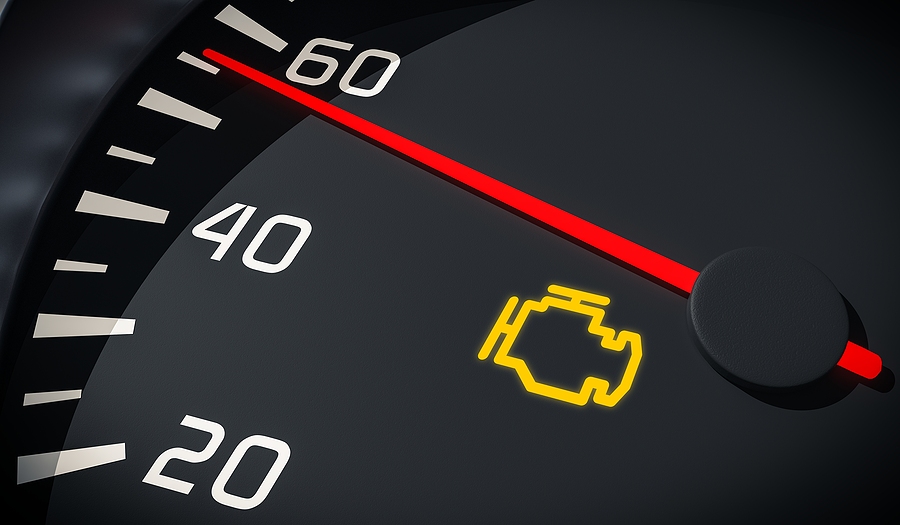
That sudden amber glow on your dashboard can instantly ruin your day. The Check Engine Light is notorious for inducing anxiety, primarily because it is so vague. Is it a loose gas cap, or is your transmission failing? Without more information, you are left guessing—and worrying about the potential cost.

Fortunately, modern vehicles are equipped with a standardized system that allows them to communicate exactly what is wrong. By using an OBD-II (On-Board Diagnostics II) scanner, you can translate your car’s cryptic warning into actionable information. This tool empowers you to make informed decisions about repairs, saving you time, money, and unnecessary stress.
Call 317-608-2188  for FREE Totaled Car Towing in Indianapolis Indiana
Call 317-608-2188 for FREE Totaled Car Towing in Indianapolis Indiana

Understanding OBD-II Codes

To the untrained eye, a diagnostic trouble code (DTC) looks like a random string of characters, such as P0300 or P0442. However, there is a logic to this language. Each segment of the code provides a specific clue about what is happening under the hood.

The Breakdown of a Code

Most codes you will encounter follow a five-character format. Here is how to decipher them:

  • First Character (System): The letter indicates which main system is experiencing the fault.
  • P (Powertrain): Engine and transmission issues. This is the most common category.
  • B (Body): Issues with the interior, airbags, or other body components.
  • C (Chassis): Problems with suspension, steering, or brakes (ABS).
  • U (Network): Communication errors between the car’s onboard computers.
  • Second Character (Type): This tells you if the code is universal or specific to your car brand.
  • 0: Generic code (standardized across all vehicles).
  • 1: Manufacturer-specific code (unique to Honda, Ford, BMW, etc.).
  • Third Character (Sub-system): This digit pinpoints the area of the fault. For example, a ‘3’ usually indicates an ignition system or misfire issue, while a ‘4’ often relates to emission controls.
  • Fourth and Fifth Characters (Specific Fault): These numbers identify the exact component or problem description.

For example, in the code P0301, ‘P’ stands for powertrain, ‘0’ is generic, ‘3’ denotes the ignition system, and ’01’ specifically identifies a misfire in cylinder 1.

Step-by-Step Guide: How to Use Your Scanner

Using an OBD-II scanner is surprisingly straightforward. You do not need to be a certified mechanic to perform a basic scan. Follow these steps to retrieve your codes safely.

1. Locate the Diagnostic Link Connector (DLC)

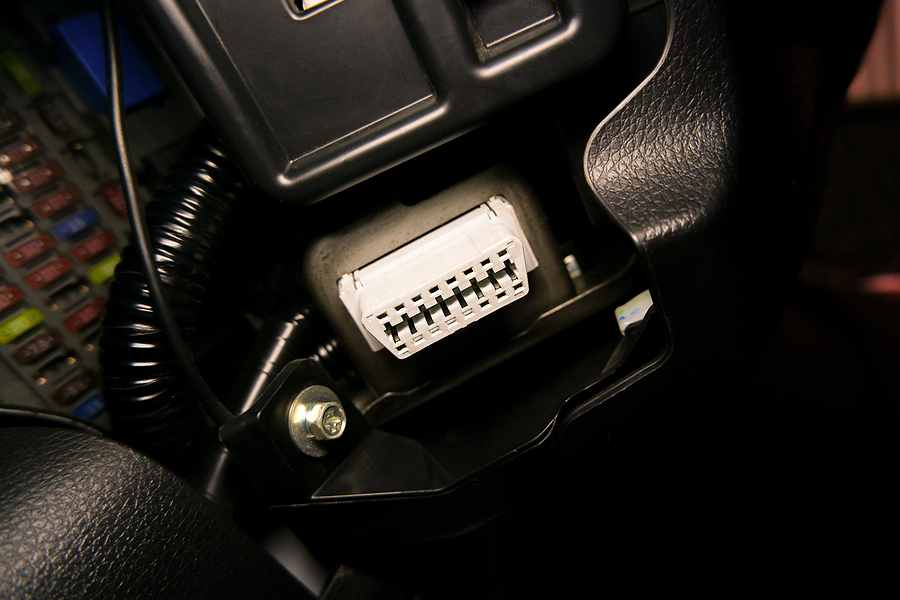
In most vehicles manufactured after 1996, the OBD-II port is located under the driver’s side dashboard, near the steering column. It is a trapezoid-shaped 16-pin connector. If you cannot find it, check your owner’s manual.

2. Connect the Scanner

Ensure your vehicle is parked safely. Plug your scanner’s cable into the port. It should fit snugly without forcing it.

3. Turn on the Ignition

Insert your key and turn it to the “On” or “Accessory” position. This powers up the dashboard lights and the onboard computer without starting the engine. Some scanners may require the engine to be idling, so refer to your device’s specific manual if you are unsure.

4. Scan for Codes

Follow the prompts on your scanner’s screen. Select “Read Codes” or “Scan.” The device will communicate with your car’s computer and display any stored Diagnostic Trouble Codes (DTCs).

5. Record the Data

Write down the codes exactly as they appear. If your scanner supports “Freeze Frame” data, record that as well. Freeze Frame data is a snapshot of the engine’s conditions (like temperature and RPM) at the exact moment the fault occurred, which is incredibly useful for diagnosis.

Get a Free Offer for Your Totaled Car Right Now

Common Issues and Solutions

While there are thousands of potential codes, a few appear more frequently than others. Here is what some of the most common codes usually mean:

P0300: Random/Multiple Cylinder Misfire

This indicates that one or more cylinders are not burning fuel correctly. It can cause rough idling or shaking. Common culprits include worn spark plugs, bad ignition coils, or vacuum leaks.

P0420: Catalyst System Efficiency Below Threshold

This code relates to your exhaust system. It usually suggests that your catalytic converter is not functioning efficiently. While a bad oxygen sensor can sometimes trigger this, it often points to a failing catalytic converter, which can be a more expensive repair.

P0171: System Too Lean

A “lean” condition means the engine is getting too much air or not enough fuel. This is frequently caused by a dirty Mass Airflow (MAF) sensor or a vacuum leak in the intake manifold.

P0442: Evaporative Emission System Leak (Small)

This is one of the least severe but most annoying codes. It detects a leak in the system designed to capture fuel vapors. The most common cause? A loose or damaged gas cap. Tightening or replacing the cap often solves the problem.

Benefits of Using an OBD-II Scanner

Owning a scanner acts as a layer of protection between you and expensive car repair bills. It changes the dynamic of car ownership in several ways:

  • Financial Protection: Mechanics charge diagnostic fees just to hook up their scanners. By doing this yourself, you can often identify simple fixes—like a loose gas cap—that cost nothing to repair.
  • Informed Conversations: If you do need a professional, walking into the shop knowing the specific code (e.g., “I have a P0301 code”) shows you have done your homework, reducing the likelihood of being oversold on unnecessary services.
  • Peace of Mind: The Check Engine Light is frightening because it is unknown. Knowing the severity of the issue immediately helps you decide if you need to pull over right away or if you can safely drive home.

Dealing with a Total Loss Vehicle

Sometimes, the diagnosis reveals a problem that costs more to fix than the vehicle is worth. In other cases, you might be scanning a vehicle after an accident to see if the internal electronics survived the impact.

If repair costs skyrocket, you may be facing a “total loss” scenario.

Understanding Actual Cash Value (ACV)

Insurance companies and buyers determine a car’s worth based on its Actual Cash Value (ACV). This is not what you paid for the car, but what it is worth today, accounting for depreciation. Factors affecting ACV include the make and model, mileage, accident history, and pre-crash condition. Cars depreciate quickly; some data suggests vehicles can lose over 20% of their value in the first year alone.

The Threshold for Total Loss

States have different laws regarding when a car is considered “totaled.” In Indiana, for example, the total loss threshold is 70%. This means if the cost to repair your vehicle exceeds 70% of its ACV, it is legally considered a total loss.

Selling a Totaled or Uninsured Vehicle

If you find yourself with a vehicle that is essentially a mechanical or structural write-off, repairs are often throwing good money after bad. Selling the vehicle to a specialized junk car buyer is often the smartest financial move.

  • Immediate Payment: Unlike private sales where you have to haggle and wait, junk car buyers typically offer cash on the spot based on the weight and salvageable parts of the vehicle.
  • Convenience: These services usually include free towing, which is essential if your car is not running or is unsafe to drive.
  • Simplified Paperwork: Handling the title transfer for a totaled car can be confusing. Reputable buyers handle the administrative burden for you, ensuring the liability is transferred out of your name correctly.

Conclusion

The Check Engine Light does not have to be a source of panic. With a simple OBD-II scanner, you can demystify your dashboard, understand your vehicle’s health, and make smart decisions about repairs. Whether it is a simple sensor replacement or a signal that it is time to part ways with your car, having the right information puts you in control.

If your scanner reveals catastrophic issues, or if you are sitting on a car that costs more to fix than it’s worth, do not let it rust in your driveway.

Get paid cash for your junk car in Indianapolis today. Contact Us Now for a free junk car appraisal and turn that mechanical headache into cash in your pocket.

Call Directly for Your Offer

Related Post: What Your Dashboard Warning Lights Really Mean And When to Worry

Roadside Emergencies: What To Do When Your Car Breaks Down Suddenly

The humdrum of daily commuting can suddenly turn into an unexpected adventure when your car breaks down. It’s a scenario no driver wants, but it’s one that many will face. Knowing what to do during these unforeseen events can make all the difference. In this blog post, we’ll explore how to handle sudden car breakdowns and equip you with the knowledge to stay safe and prepared.

Call 317-608-2188 to Reach Our Professional Car Buyers in Indianapolis Indiana

Top Signs of an Impending Car Breakdown

Your car often gives clues before it decides to call it quits. Being aware of these warning signs can help you act preemptively. Strange noises, like grinding or squealing, might indicate trouble with your brakes or engine. If you notice unusual vibrations or your vehicle pulling to one side, it’s time to investigate further. Another red flag is any dashboard warning light that flickers on; never ignore these as they are direct messages from your vehicle’s onboard computer.

Keeping an eye on your car’s temperature gauge is also crucial. An overheating engine is a common cause of breakdowns. If the needle starts to climb, it could mean low coolant levels or a more serious issue. Lastly, pay attention to your vehicle’s battery health. Slow engine crank or dimming headlights can signal a dying battery. Addressing these issues early can prevent a full-blown breakdown.

Regularly checking your vehicle for these signs can save time, money, and stress in the long run. If you notice any of the above symptoms, consult with a mechanic immediately. A quick inspection might reveal minor problems that can be fixed before they escalate.

Immediate Actions When Your Vehicle Breaks Down

If your car does break down unexpectedly, it’s crucial to take immediate action to ensure your safety. First, try to pull over to a safe location, such as the shoulder of the road or a nearby parking lot. Turn on your hazard lights to alert other drivers of your situation. If you have road flares or reflective triangles, place them behind your vehicle to increase visibility, especially at night.

Once you’re safely out of traffic, assess the situation. Determine whether the issue is something you can fix, like a flat tire or running out of gas. If you’re unsure, it’s best not to risk further damage. Instead, focus on securing your vehicle and yourself. Lock the doors and remain inside, especially if you’re on a busy highway.

Finally, call for help. Whether it’s a friend, family member, or professional roadside assistance, getting someone knowledgeable to assess the situation is essential. Having a plan in place and knowing who to contact can ease the stress of a breakdown.

Finding Safe and Quick Solutions

After ensuring your safety, it’s time to seek help. If you’re a member of an auto club, such as AAA, contact their roadside assistance service. They can provide towing, fuel delivery if you’re out of gas, and other support. Alternatively, use your smartphone to locate nearby towing services or mechanics. Many apps can pinpoint your location and find service providers close by.

If you have a basic understanding of car mechanics, you might be able to diagnose the problem yourself. Check for obvious issues like a flat tire or a loose battery connection. If the problem is minor and you have the necessary tools, you might be able to fix it and drive to the nearest repair shop.

In more severe cases, such as engine overheating or transmission problems, professional help is your best bet. Attempting to drive a malfunctioning vehicle can lead to more damage and higher repair costs. It’s better to be safe and wait for a towing service.

Preparing for Future Roadside Incidents

Being proactive is key to minimizing the impact of car breakdowns. Assemble a car emergency kit with essential items like water, non-perishable snacks, a flashlight, jumper cables, a first-aid kit, and basic tools. Store these in your vehicle so they’re readily available when needed.

Regular vehicle maintenance is another preventative measure. Schedule routine check-ups with your mechanic to catch potential problems early. Keeping your car’s fluids topped off, tires inflated, and battery terminals clean can go a long way in preventing breakdowns.

If you often travel in remote areas, consider investing in a portable phone charger and a CB radio, in case of poor cell reception. Knowing how to handle breakdowns in less populated regions is vital for your safety and peace of mind.

The Importance of Professional Help

While some car issues can be managed independently, others require expert intervention. Professional mechanics have the tools and experience to accurately diagnose and repair complex problems, ensuring your vehicle is roadworthy.

Having a trusted mechanic can save you time and money in the long run. Regular check-ups can prevent minor issues from turning into major repairs. A good relationship with your mechanic means they understand your vehicle’s history and can provide personalized advice.

In emergencies, professional help can be the difference between a quick fix and a prolonged ordeal. Don’t hesitate to reach out to experts when your car breaks down; their skills and knowledge are invaluable.

Conclusion

Car breakdowns are an unavoidable part of driving, but being prepared can transform them from disastrous to manageable. By recognizing warning signs, taking immediate action, and enlisting professional help, you can minimize stress and ensure safety. Consider creating an emergency kit and committing to regular vehicle maintenance to prevent future breakdowns.

For those whose cars require costly repairs, it might be worthwhile to consider alternatives like junking your car for cash. This option can provide a financial cushion while you explore newer, more reliable vehicles. Stay proactive, drive safely, and be ready for anything the road throws your way.

Are you ready to trade your clunker in for cash on the spot? Contact GC’s Junk Cars at 317-608-2188 to connect with a certified Indianapolis junk car buyer for details on how to get started! We offer free junk car removal and accept all old or broken auto parts!

Related Posts:

Funny Vehicle Hacks for Lazy Car Owners
Vital Car Fluids and What You Need to Know About Them
Why is My Check Engine Light On?

Why is My Check Engine Light Flashing?

Uh oh. Your Check Engine Light icon just lit up. And instead of being the usual solid symbol or phrase, it is flashing. Is this nothing to worry about? Does this mean something serious? Continue below to learn some of the most common reasons why Check Engine Lights come on, including the meanings behind solid and flashing symbols.

Indianapolis Junk Car Buyers 317-608-2188

Check Engine Light Diagnosis

Before diving into the difference between a flashing Check Engine Light and a solid one, let’s cover some of the most common reasons why Check Engine Lights illuminate in the first place. Answer some questions, like “Did you just add fuel to your tank with gas?” or “Did your car jolt or vibrate the last time you drove it?” The answers to these questions can help you narrow down the cause behind the symbol. If you forgot to tighten your gas cap all the way, for instance, your car’s onboard computer system will trigger the Check Engine Light to turn on. If you felt a jolting, jerking, or vibrating movement from your car the last time you drove it, the culprit could be a quick fix like a worn spark plug.

Flashing Check Engine Light Versus Solid

For most vehicles, the Check Engine Light will illuminate in all its glory as a solid symbol or phrase to warn against minor to moderate problems. Some vehicles have a Check Engine Light that comes up solid or flashing. In vehicles that only have a solid Check Engine Light symbol, the color of the icon might change from sun colors to red to indicate a more serious issue.

If the symbol or phrase are flashing, it generally indicates a more serious problem. A flashing Check Engine Light suggests that you have an automotive emergency and should have your vehicle towed, that’s right, towed to the nearest mechanic shop for diagnosis. Driving with the Check Engine Light on is dangerous because it poses several safety risks, but also does a lot of damage to a vehicle.

Common reasons for a flashing Check Engine Light are engine misfiring and overheating. Both of these mechanical defects can do significant damage to the internal parts of the engine block, including cylinders, pistons, spark plugs, and more.

Red Check Engine Light

As mentioned, in addition to solid and flashing, Check Engine Lights can also be different colors, which might signify different types of mechanical needs. In most vehicles, a yellow or orange Check Engine Light denotes a minor to moderate mechanical, safety, or performance issue in a vehicle. If the light turns red, it is indicating an automotive repair emergency. In this case, a car should never be driven.

Did your car’s diagnosis come back totaled? Not to worry! You can still make a generous profit by selling it to a trusted Cash for Cars Company near you! Contact GC’s Junk Cars at 317-608-2188 to speak with a certified Indianapolis junk car buyer for details on how to get started! We offer free junk car removal and accept all old or broken auto parts!

Related Posts:

How to Tell if Your Car Has Bad Spark Plugs
Does a Check Engine Light Mean My Car is Totaled?
Frequently Asked Questions About Engine Flushes

5 Possible Causes for an Overheating Car Engine

When your check engine light illuminates, it is often the first sign of car trouble. There are various reasons why your car’s check engine light could come on, from a loose gas cap or faulty chip, to a blown head gasket or something much worse. But when it comes to your engine overheating, there are 5 probable causes behind the problem; and the signs are not hard to see.

Continue reading to learn how to identify an overheating car engine, and the top 5 reasons why it happens.

Indianapolis Junk Car Buyers
Indianapolis Junk Car Buyers 317-608-2188

Is Your Car Engine Overheating?

One of the first signs of an overheating car engine is usually seeing the temperature gauge nearing or exceeding the maximum internal engine temperature level illustrated on the dial. Yet, most people just see smoke coming from the hood! You might also smell burning oil or fuel, which is another sign of your car engine overheating.

5 Causes for Overheated Engines:

⚙ Radiator Issues

There are two common radiator defects that can lead to a car engine overheating. First, you could have a bad radiator fan. This fan blows air over the radiator fins in order to help control the temperature of the coolant. If it comes loose, has broken shrouds, or spins freely when the engine is off, it cannot perform its intended duties, causing the coolant temperature to raise and overheat the engine. But if the fan is not the problem, it could just be a faulty radiator. Leaks, clogs, and broken lines can cause a radiator to malfunction, and subsequently cause a car engine to overheat.

⚙ Cooling System Issues

A vehicle’s cooling system lines can get blocked or clogged with rust, dirt, or sediment. This inhibits the cooling system from being able to do its job, thus causing the engine overheat. This is why regular fluid flushed and replacements are imperative. Another common cause of an overheating car engine in terms of a vehicle’s cooling system are leaks. Leaks in the cooling system are a frequent cause for overheating car engines. Also, if you use the wrong concentration of coolant, it can have the same affect. Be sure to get an even water-to-coolant ratio.

⚙ Thermostat Issues

A bad thermostat is another common reason for overheated car engines. It is a heat-sensitive valve that opens and shuts in accordance to engine temperature. If something goes wrong and the thermostat gets stuck in the closed position, the car engine’s temperature will skyrocket.

⚙ Water Pump Issues

The water pump is colloquially known as the “heart” of the vehicle since it pumps coolant much like a heart pumps blood. But a vehicle’s water pump pressurizes and propels coolant through the cooling system, so it plays a major role in a car’s temperature control. If something goes wrong, the coolant can’t make it to the engine, and the engine gets too hot.

⚙ Belt and Hose Issues

Broken and loose belts, as well as, worn or burst hoses, are common causes for overheating car engines. Belts turn the water pump, which is essential for the cooling system and more. If they stop working, so does the cooling system. A faulty hose means leaks, which means a lack of coolant. This also causes a car to overheat.

Is Your Car Now a Total Loss? Sell Your Junk Car for Cash TODAY!

Your Trusted Indianapolis Junk Car Buyers

Call GC’s Junk Cars at 317-608-2188 to sell a junk car in Indianapolis. Our Indiana junk car buyers offer free towing with our in-house tow truck, so all you have to do is call and accept our offer! We will schedule a time to pick up your vehicle and pay you cash. No title? No problem! Give us a call anyway! Call 317-608-2188 to request a free estimate, today.

GC’s Junk Cars
GC’s Junk Cars 317-608-2188