Common Car Suspension Problems and How to Fix Them

A smooth, comfortable ride is something most drivers take for granted. We expect our cars to glide over minor road imperfections and handle turns with stability. This quiet, steady performance is thanks to your vehicle’s suspension system. But when problems arise, they can affect everything from ride comfort to safety.

Recognizing the signs of suspension trouble is the first step toward a solution. A bouncy ride, unusual noises, or uneven tire wear are all indicators that something is amiss. This guide will walk you through the key components of your car’s suspension, common issues you might encounter, and how to diagnose and resolve them, ensuring your vehicle remains safe and reliable on the road.
Call 317-608-2188 for FREE Junk Car Removal in Indianapolis Indiana

Understanding Your Suspension System

Your car’s suspension is a complex network of parts working together to keep your tires on the road and absorb the bumps along the way. It is essential for both comfort and control. Understanding its main components can help you identify problems more effectively.

Springs

These are the primary components that absorb bumps and support the vehicle’s weight. They can be coil springs (the most common type), leaf springs (often found on trucks and older cars), or torsion bars. When you drive over a bump, the springs compress to absorb the impact.

Shock Absorbers and Struts

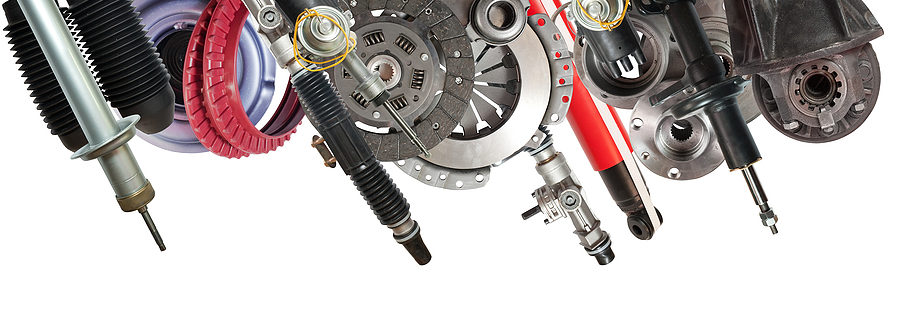
While springs absorb impacts, shock absorbers (or dampers) control the bouncing motion. Without them, your car would continue to bounce long after hitting a bump. A strut is a more complex assembly that combines a shock absorber and a spring into a single structural unit, which is common in many modern front-wheel-drive cars.

Linkages and Bushings

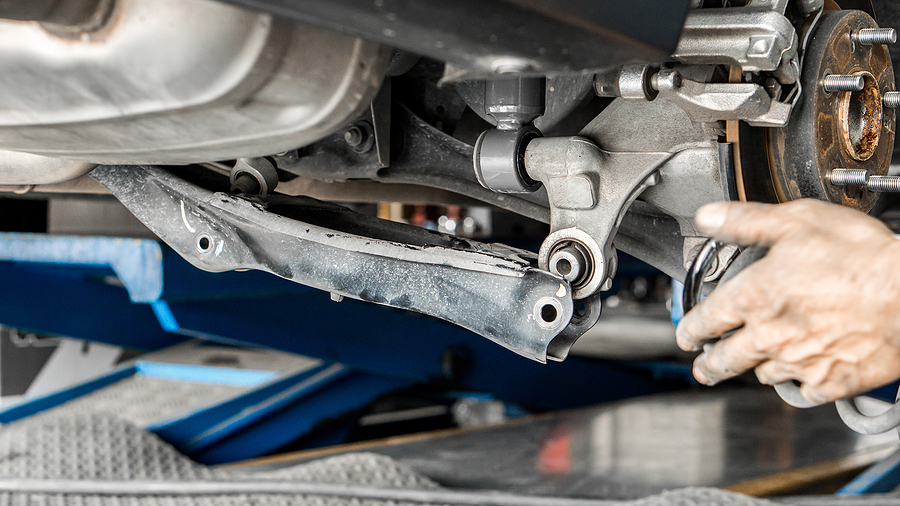
These components connect the various parts of the suspension to the car’s frame and to each other. They include control arms, ball joints, and tie rod ends. Bushings are rubber or polyurethane cushions that absorb vibrations and allow for slight movement, reducing noise and harshness.

Together, these parts work to maximize friction between the tires and the road, providing steering stability and good handling. A well-maintained suspension ensures a smooth, controlled, and safe driving experience.

Common Suspension Problems

Like any other part of your car, suspension components can wear out over time. Here are some of the most common issues you might face.

Worn Shock Absorbers or Struts

Worn shocks or struts are one of the most frequent suspension problems. Because they lose their ability to control the vehicle’s bouncing, you might notice several tell-tale signs:

  • A Bouncy Ride: The car feels floaty and continues to bounce after hitting a bump.
  • Nose-Diving or Squatting: The front of the car dips excessively when you brake, or the rear squats when you accelerate.
  • Uneven Tire Wear: Worn shocks can cause “cupping,” which are scalloped dips around the surface of the tire tread.
  • Fluid Leaks: You may see hydraulic fluid leaking from the body of the shock or strut.

Spring Issues

The springs support your car’s weight, so any problem with them can be significant.

  • Broken Springs: A broken spring can cause a corner of the car to sag noticeably. You might also hear a loud clunking noise when driving over bumps. This requires immediate attention as it can affect steering and handling.
  • Sagging Springs: Over time, springs can weaken and sag, causing the car to sit lower than its normal ride height. This can lead to bottoming out over bumps and premature wear on other suspension parts.

Linkage and Bushing Problems

The various joints and bushings that hold the suspension together can also wear out.

  • Worn Ball Joints: These are pivot points that connect the control arms to the steering knuckles. When they wear out, you might hear a clunking or knocking sound from a corner of the car, especially when going over bumps or turning.
  • Worn Tie Rod Ends: Tie rods connect your steering system to the wheels. Worn tie rod ends can lead to loose, imprecise steering and uneven tire wear.
  • Worn Bushings: The rubber bushings that cushion the suspension can crack and deteriorate. This can cause creaking, rattling, or clunking noises and can affect alignment and handling.

Alignment Issues

Wheel alignment refers to the angles of your wheels relative to the car and the road. While misalignment is often a problem in itself, it can also be a symptom or cause of suspension issues. Poor alignment can lead to uneven tire wear, a crooked steering wheel, and the vehicle pulling to one side. It also puts extra stress on suspension components.

View More of Our Car Care Blogs

Diagnosing Suspension Problems

Some suspension issues are easy to spot, while others require a closer look. Here’s how you can start diagnosing a potential problem.

The Bounce Test

A simple way to check your shocks and struts is the “bounce test.” Go to each corner of your parked car and push down firmly on the fender several times. When you let go, the car should bounce once or twice and then settle. If it continues to bounce, your shocks or struts are likely worn.

Visual Inspection

Take a look under your car. Check the shocks and struts for any signs of leaking fluid. Look at the springs to see if any are broken or cracked. Examine the rubber bushings for cracks or signs of deterioration. You can also check for play in the ball joints and tie rods by trying to wiggle the wheels, though this is often best left to a professional.

When to See a Professional

While the bounce test and a visual check can give you clues, many suspension problems are best diagnosed by a qualified mechanic. They have the tools and expertise to safely lift the vehicle, inspect all components thoroughly, and accurately identify the source of the problem. If you hear persistent noises, feel a significant change in handling, or notice uneven tire wear, it’s time to book an appointment.

Solutions and Maintenance

Once a problem is diagnosed, the solution usually involves replacing the worn-out part.

Replacing Components

Worn shock absorbers, struts, and broken springs must be replaced. It’s generally recommended to replace them in pairs (both front or both rear) to ensure even performance. The same goes for many linkage components like ball joints.

Regular Alignment

Getting your wheels aligned regularly (about once a year or whenever you get new tires) is crucial. A proper alignment ensures your tires wear evenly and your car handles correctly, which reduces stress on the suspension.

Maintenance Tips

To prolong the life of your suspension, try to avoid potholes and driving aggressively on rough roads. Pay attention to your tire pressure, as properly inflated tires help absorb some of the impact from the road.

Your Next Steps for a Safer Drive

A well-functioning suspension system is not just about comfort; it’s a critical safety feature. It ensures your tires maintain firm contact with the road, providing the traction you need for braking and steering effectively. Ignoring signs of trouble can lead to more extensive damage and compromise your safety.

By understanding the common problems and knowing what to look for, you can address issues early and keep your vehicle in top condition. Regular inspections and timely repairs will ensure a safe, smooth, and enjoyable driving experience for years to come.

If your car has severe suspension damage or other issues that make it too costly to repair, it might be time to consider other options. For vehicles beyond saving, GC’s Junk Cars offers free junk car removal in the Indianapolis area, providing a simple and profitable solution for your end-of-life vehicle. That’s right—we pay cash on the spot for all scrap vehicles, regardless of condition!

Schedule Junk Car Pickup Now

Related Post: High-Priced Problems: The Most Expensive Car Repairs Revealed
The Hidden Gold Mine: Unlocking the Value of Your Junk Car Parts

That old car sitting in your driveway or garage may look like nothing more than a rust bucket, but it’s actually a treasure trove waiting to be discovered. Even when a vehicle has reached the end of its road-worthy life, many of its components retain significant value. Understanding which broken auto parts are worth salvaging can transform what seems like automotive junk into a profitable opportunity.

Whether your car has been totaled in an accident, suffered irreparable engine damage, or simply aged beyond economical repair, its individual components often have years of useful life remaining. The growing demand for affordable replacement parts, combined with environmental concerns about auto part recycling, has created a thriving market for used automotive components.

Savvy car owners are discovering that selling junk car parts can yield substantial returns—sometimes hundreds or even thousands of dollars from a vehicle that might otherwise be scrapped for minimal value. The key lies in knowing which parts to target, how to assess their worth, and where to find the right buyers.

Call 317-608-2188 to Scrap Junk Car Parts for Cash in Indianapolis

Identifying Your Most Valuable Auto Parts

High-Value Components That Always Sell

Catalytic Converters: The Crown Jewels

Catalytic converters top the list of valuable junk car parts due to their precious metal content. These emissions control devices contain platinum, palladium, and rhodium—metals that command high prices in recycling markets. A single catalytic converter from certain vehicles can be worth anywhere from $50 to over $500, depending on the make, model, and year. Luxury vehicles and hybrid cars typically yield the highest returns.

Car Batteries: Reliable Revenue

Lead-acid car batteries maintain consistent value because of their high recyclability. Even completely dead batteries are worth $10-30 as scrap lead, while batteries that still hold a charge can fetch $30-80. The auto salvage yard market for batteries remains strong since they’re universally needed and relatively easy to test and transport.

Electronic Components: Modern Money Makers

Electronic control modules (ECMs), sensors, GPS units, and entertainment systems represent some of today’s most sought-after old car parts. A functioning ECM can be worth $200-800, while premium sound systems from luxury vehicles often sell for $100-500. Even damaged electronic components may have value for their circuit boards and precious metals.

Parts From Premium and Classic Vehicles

Luxury car parts command premium prices, particularly from brands like BMW, Mercedes-Benz, Audi, and Lexus. Classic car parts from vehicles manufactured before 1990 often have exceptional value due to their rarity and the dedicated collector market. Even common parts like mirrors, trim pieces, or emblems from vintage vehicles can sell for surprising amounts.

Understanding What Affects Your Parts’ Worth

Condition: The Primary Value Driver

The condition of your junk car parts significantly impacts their market value. Functional parts naturally command the highest prices, but even damaged components may have worth. A cracked headlight assembly might be worthless to most buyers, but valuable to someone needing just the lens or mounting hardware.

Clean, well-preserved parts photograph better and inspire buyer confidence. Parts with minimal rust, intact mounting points, and clear part numbers are easier to sell and typically fetch higher prices.

Market Demand and Seasonal Fluctuations

Demand for specific auto parts fluctuates based on various factors. Air conditioning components see increased demand during summer months, while heating system parts are more valuable before winter. Popular vehicle models with large numbers still on the road create steady demand for replacement parts.

Current automotive trends also influence value. As more vehicles incorporate advanced driver assistance systems, sensors and cameras from these systems become increasingly valuable.

Rarity and Vehicle-Specific Factors

Parts from discontinued models or limited production runs often carry premium values. The final year of production for any vehicle model typically yields valuable parts since replacement options become scarce as time passes.

Vehicle age creates an interesting value curve—parts from cars 5-15 years old often have the best balance of demand and availability, while extremely new or very old vehicles may have different market dynamics.

Check Your Auto Part’s Value Today!

Where to Sell Your Valuable Parts

Auto Salvage Yards: The Traditional Route

Local auto salvage yards offer convenience and immediate payment for your old car parts. While prices may not be premium, the transaction is straightforward and you avoid the hassles of individual sales. Many junk car scrappers will evaluate your entire vehicle and make an offer for the most valuable components.

Online Marketplaces: Maximum Exposure

Online marketplaces like eBay, Facebook Marketplace, and Craigslist provide access to nationwide buyers willing to pay premium prices for specific parts. This approach requires substantially more effort but might yield higher returns. Detailed photographs, accurate descriptions, and competitive pricing are essential for success.

Specialized automotive forums and Facebook groups focused on particular vehicle models can connect you with enthusiastic buyers seeking hard-to-find parts.

Direct to Mechanics and Repair Shops

Local independent repair shops might purchase used parts to offer customers more affordable repair options. Building relationships with these businesses can create steady buyers for your inventory. They particularly value functional parts that come with some form of return policy.

Maximizing Your Parts’ Value

Proper Preparation and Presentation

Clean parts sell faster and for better prices than dirty ones. Remove obvious dirt and grime, but avoid aggressive cleaning that might damage delicate components. For electronic parts, protect connections and circuit boards from moisture and physical damage.

Document part numbers, vehicle compatibility, and any testing you’ve performed. Buyers appreciate transparency about condition and functionality.

Strategic Pricing and Negotiation

Research completed sales for similar parts to establish realistic pricing expectations. Start slightly above your minimum acceptable price to allow room for negotiation, but avoid pricing so high that you discourage serious inquiries.

Be prepared to explain why your part is worth the asking price—highlight any advantages like low mileage, recent replacement, or inclusion of mounting hardware.

Legal Compliance and Safety

Before selling any junk car parts, verify your legal right to do so. If you don’t hold clear title to the vehicle, you may face legal complications. Some jurisdictions have specific regulations regarding catalytic converter sales to prevent theft-related transactions.

Certain parts like airbags require special handling due to safety concerns. Research local regulations and consider liability issues before selling safety-critical components.

In Summary

Converting your old vehicle into cash through individual part sales requires patience and effort, but the financial rewards often justify the investment. The key is understanding which components have value, properly preparing them for sale, and finding the right buyers.

Start by identifying the most valuable parts in your vehicle—catalytic converters, batteries, and electronic components typically offer the best return on effort. Clean and photograph these items professionally, research their market value, and choose appropriate sales channels based on your time availability and profit goals.

Remember that auto part recycling benefits everyone involved. Buyers get affordable replacement parts, you generate income from otherwise worthless items, and the environment benefits from reduced waste and resource conservation.

Ready to discover what your junk car parts are worth? Get a free parts quote today and take the first step toward turning your automotive liability into profit. Our experts can evaluate your vehicle’s components and provide realistic value estimates to help you make informed decisions about which parts to sell and which sales strategies will maximize your returns.

Call Now to Get Started

Related Post: Why Selling Junk Auto Parts to Scrap Yards Benefits Everyone

Why Routine Air Filter Replacement is Important for Your Car

In a similar way to most living creatures, vehicles also need to be able to “breathe” clean air. Although vehicles do not have lungs, they rely on a need to “breathe”, or more accurately, “filter air.” To ensure your car is filtering air properly, you will need to stay current on air filter replacement. Otherwise, you can set your car up for premature failure, and run it into the ground before it’s due day. So, your vehicle’s cabin air filters should be inspected or replaced on a routine basis, according to the owners’ manual. If your car is fitted with permanent air filters, they will need to be cleaned, dried, and replaced routinely. If your car has disposable air filters, they will just be inspected, and replaced if needed.

Continue reading to learn more about the importance of clean automotive air filters, and what you can do if your car is too junked to pay for more repairs.

Indianapolis Junk Car Buyers 317-608-2188
Sell Us Your Junk Car! 317-608-2188

Airborne Contaminants

Your vehicle’s air filters play an important role in terms of interior cabin air quality and comfort. But it also plays a significant role in how your vehicle operates. Clogged or defective filters can cause a decrease in engine performance and capacity, as well as lose their ability to protect you against harmful airborne contaminants. You see, dirt, oil, and other harmful contaminants are trapped in air filters, and after some time, they accumulate to mass amounts, which cause the filters to lose their value.

When the filters become too saturated, they cannot trap anymore contaminants. As a result, these contaminants enter the engine and damage pistons, piston rings and bearings, cylinders, cylinder walls, and more. This causes the engine to then lose power. For fuel injected cars, air filters protect the air flow sensor from contamination.

Interior Air Quality and Comfort

As for interior air quality and comfort, dirty air filters jeopardize the cabin environment. Without anything between you and airborne contaminants, you are left to suffer from dirty indoor air. This results in musty odors, stuffiness, allergy-agitation, and more. When it comes to cabin air filters, try to have them inspected and replaced every 12,000 to 15,000 miles. If you are a frequent driver or frequently drive long distances, decrease this rule to every 10,000 to 12,000 miles.

Engine Performance

When you have clean air filters, your car engine can get more air. As a result, the engine operates more efficiently, allowing your vehicle to perform better. If you neglect to change out or clean your air filters, overtime, your car engine will begin to experience an on-set of problems that will only increase in cost and danger.

Is Your Car Junked?

Perhaps your vehicle in on its last leg. In this case, you might be done investing any more money into it, let alone paying to have the air filters replaced. If so, consider selling your junk car to a Cash for Cars Company in Indianapolis for an instant cash profit. They will pay you the equivalent market value of your vehicle in accordance with the current scrap metal prices.

Get a Free Quote for a Junk Car in Indianapolis

Call GC’s Junk Cars at 317-608-2188 to sell your junk car for cash in Indianapolis. We offer free towing with our in-house tow truck, so all you have to do is call and accept our offer! We will schedule a time to pick up your vehicle and pay you cash. Call 317-608-2188 to request a free estimate, today.

GC’s Junk Cars
GC’s Junk Cars 317-608-2188

The Most Valuable Junk Car Parts and Where to Sell Them

Just because you have a totaled car doesn’t mean that everything inside it is broken. The great thing about car parts is that they can be repurposed and reused in other vehicles; that is, if they are still in good condition and/or refurbishable. If you have a junk car that you are thinking about selling, you would be wise to learn which automotive parts are the most valuable so that you can gauge what your offer might look like.

Continue reading to learn which car parts have the most value as a scrap yard, and where you can sell them for cash on the spot.

Indianapolis Junk Car Buyers 317-608-2188

Valuable Car Parts in the Auto Salvage Industry

Keep in mind that the parts below are not listed in any particular order other than alphabetical. The actual worth of each type of car part depends on several economic and mechanical factors, the most impactful variables being whether or not they can be reused, and the current scrap metal prices on the market. See our blog, “What Does a Junk Car Appraiser Look For?” to learn some other factors that can influence your junk car offer.

Air Conditioning Systems

AC units are valuable car parts, especially if they still work well, and therefore, be reinstalled into another vehicle. AC systems for vehicles have compressors and condensers that contain good quality metal, making them profitable for scrappers.

Alternators and Starters

Alternators and starters are another highly-valuable and sought-after automotive part, buy both private consumers and scrap yards. Not only do they have steel casings, they also contain copper wiring, both of which can be recycled.

Batteries

Automotive batteries, as well as, batteries for any type of motorized vehicle (i.e. boats, tractors, etc.), are high in value at a junk yard. You might even be successful at refurnishing your used car battery using the old Epsom salt and distilled water method!

Catalytic Converters

Arguably one of the most valuable car parts is the catalytic converter. They are typically manufactured with an inner protective lining made from two high-priced metals: platinum and palladium. If the catalytic converter still works, it is worth even more.

Engines and Motors

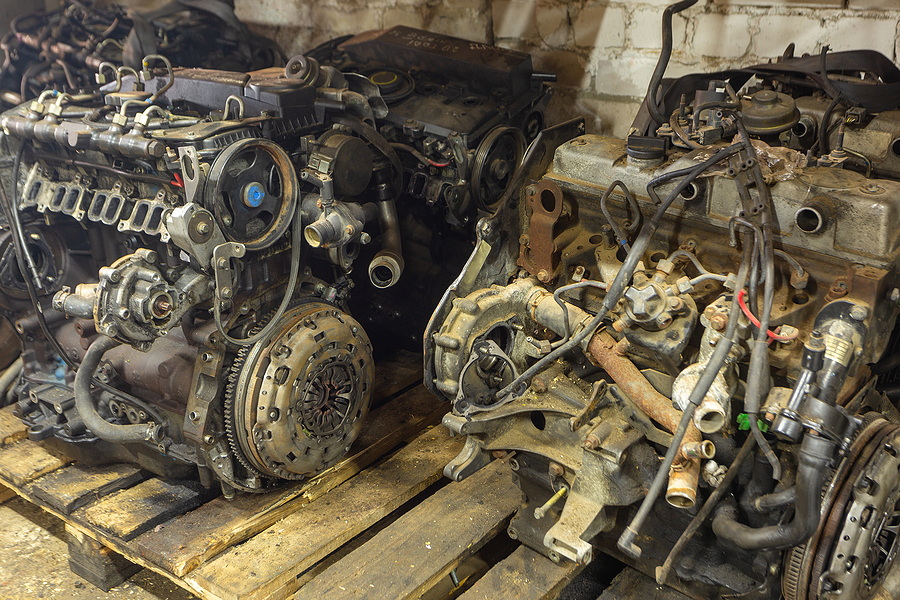
Like catalytic converters, the other car part that tops the list as most valuable is the engine (or motor, depending on the type of vehicle). Engines, especially if refurbishable or still operable, are worth the most money in a junk car.

Radiators

Radiators contain a decent quantity of aluminum, which is a highly-useful and recyclable metal. For this reason, junk car buyers want vehicles that have them still intact. If you have a functioning car radiator, you can expect your junk car to be more valuable.

How to Sell a Junk Car in Indianapolis, Indiana

When you really just don’t know who to trust when it comes to selling a junk car in Indianapolis, Indiana, simply go with the best. Contact GC’s Junk Cars at 317-608-2188 to request a free, over-the-phone quote, or more information regarding the junk car selling process. Whether your vehicle runs or not, we are ready to make you an excellent offer and take it off your hands for free. We have an in-house tow truck that will come directly to your location to pick up your junk car.

GC’s Junk Cars
GC’s Junk Cars 317-608-2188