
A car that hasn’t moved in years can feel more like a burden than an asset. Maybe it belonged to a family member, or life simply got in the way of keeping it running. Either way, you’re left wondering if anyone would even want it.
The good news is yes, you can sell a car that’s been sitting for years. The process looks a little different than selling a daily driver, but plenty of buyers specialize in exactly this kind of vehicle. The key is knowing what to expect, being upfront about the car’s condition, and setting realistic expectations for its value.
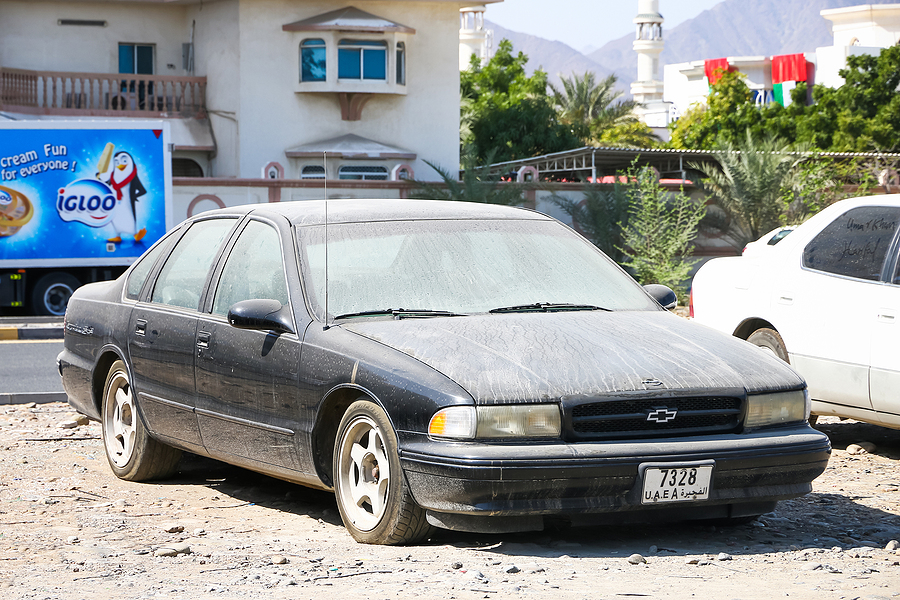
Assessing Your Car’s Condition
Before you list your car anywhere, take stock of what years of inactivity have done to it.
Start with the basics. Check the battery, since it’s likely dead or sulfated after sitting unused. Look at the engine for visible wear, and inspect fluids like oil and coolant, which can degrade over time. Fuel left sitting in the tank may have gone stale as well.
Next, examine the exterior and undercarriage for rust or corrosion, especially if the car was stored outside. Flat-spotted or dry-rotted tires are common after long periods of inactivity, and brakes can seize or corrode. It’s also worth checking for rodent damage to wiring and upholstery, along with signs of moisture or mold inside the cabin.
Is It Worth Repairing First?
Once you know what’s wrong, weigh the cost of repairs against the car’s potential resale value. For some vehicles, a few hundred dollars in fixes can significantly boost what you can sell it for. For others, especially those with extensive mechanical issues, selling as-is makes more financial sense.
Where to Sell a Sitting Car
Your options depend on the car’s condition and how much effort you want to put into the sale.
Private Sale
Selling privately can net you the highest price, but it also requires the most work. You’ll need to clean the car, take photos, write a listing, and field questions from potential buyers. If the vehicle needs repairs, finding a private buyer willing to take on that project can take time.
Dealership Trade-In
Some dealerships accept trade-ins regardless of condition, particularly if you’re purchasing another vehicle from them. This option is convenient, but trade-in offers for non-running or long-dormant cars are typically lower than what you’d get through other routes.
Junk Car Buyers and Salvage Yards
For vehicles that are damaged, non-running, or simply not worth repairing, local junk car buyers and salvage yards offer a straightforward alternative. These buyers typically purchase cars as-is, which eliminates the need for repairs or detailed listings. This route is often the fastest and least stressful option for dormant vehicles.
Preparing Your Car for Sale
Even if you’re selling as-is, a little preparation goes a long way.
Clean the exterior and interior to make a better first impression, even for buyers purchasing for parts or scrap. Gather any maintenance records you have, along with the vehicle’s title, since most buyers and state agencies will require it to complete the sale.
In Indiana, sellers typically need the signed vehicle title, a valid photo ID, and the license plates when selling or scrapping a car. Indiana’s salvage vehicle rules are outlined in Indiana Code Title 9, Article 22, so it’s worth confirming current title requirements with the Indiana BMV before finalizing your sale.
Above all, be transparent about the car’s condition. Disclosing issues upfront builds trust with buyers and helps avoid disputes later.
Pricing Your Dormant Vehicle
Pricing a car that’s been sitting for years requires a different approach than pricing a well-maintained vehicle.
Start by researching comparable vehicles in similar condition, not the pristine, fully-functional versions you’ll find in most listings. Factor in the cost of any repairs the car needs, since buyers will account for this when making offers.
Choose a private sale if maximizing price matters more than convenience and you’re willing to invest time in repairs and marketing. Choose a junk car buyer if speed and simplicity matter more, especially if the vehicle has significant mechanical or body damage.
Adjust your expectations based on current demand for the make and model, and remain flexible during negotiations.
FAQ
How long can a car sit before it becomes unsellable?
There’s no strict timeline that makes a car unsellable. Even vehicles that have sat for a decade or more can usually be sold, particularly to junk car buyers or salvage yards. Condition matters more than the exact length of time it’s been parked.
Will my car need new fluids before selling?
Not necessarily, especially if you’re selling to a junk car buyer who purchases vehicles as-is. If you’re pursuing a private sale or trade-in and want top dollar, replacing old oil, coolant, and fuel can improve the car’s appeal and functionality.
Is selling to a junk car buyer my best option?
It depends on your priorities. If your car needs extensive repairs or you want a fast, hassle-free sale, a junk car buyer is often the best choice. If you have time to invest in repairs and marketing, a private sale may yield a higher price.
Selling Your Dormant Car Doesn’t Have to Be Complicated
A car that’s been sitting for years can still find a new home, as long as you approach the sale with an honest assessment of its condition and realistic pricing expectations. Whether you choose a private sale, a dealership trade-in, or a junk car buyer, being transparent about the vehicle’s history will make the process smoother for everyone involved.
If your dormant vehicle needs more work than it’s worth, GC’s Junk Cars in Indianapolis offers a hassle-free way to sell your car without the stress of repairs or lengthy listings. Reach out today to see what your car could be worth.
Related Posts:
Car Maintenance Tips for a Vehicle You Barely Drive
5 Critical Reasons Why You Should Not Drive a Junk Car
Why Your Car Won’t Start: 12 Common Causes and Solutions