
Got a car that’s seen better days? You’ve likely got two paths forward: sell it as a junk car or scrap it entirely. Both options get an unwanted vehicle off your property, but they work differently and lead to different outcomes.
Knowing the difference matters because it affects how much money you walk away with, how quickly the process wraps up, and what happens to your vehicle afterward. Let’s break down each option so you can make the right call for your situation.
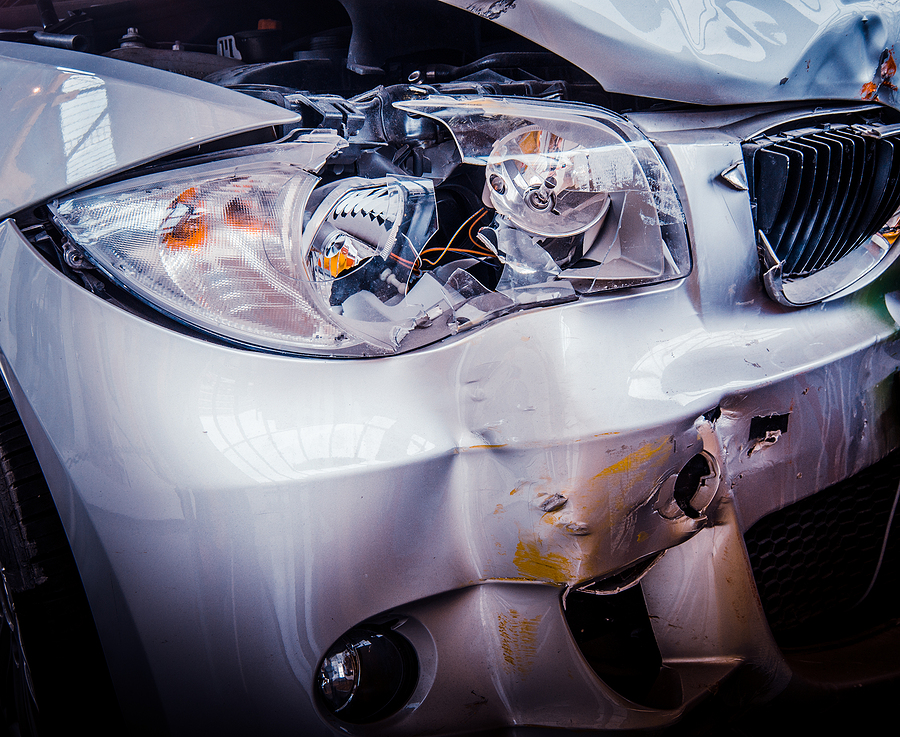
Selling a Junk Car
Selling a junk car means finding a buyer willing to pay for your vehicle in its current condition, running or not. Junk car buyers often purchase vehicles for their usable parts, resale potential, or scrap metal value.
Who buys junk cars? Specialized junk car buyers, salvage yards, and some private buyers looking for parts or project cars. Many accept vehicles with significant damage, high mileage, or mechanical issues.
What determines payment? Price typically depends on the car’s make, model, year, condition, completeness, and local scrap metal rates. A car with an intact engine, catalytic converter, and other valuable components usually commands a higher offer than one that’s been stripped.
How long does it take? Selling a junk car can take anywhere from a few days to a couple of weeks, depending on how quickly you find a buyer and complete the paperwork, including transferring the title.
Scrapping a Car
Scrapping a car means sending it to a facility where it’s broken down for materials rather than resold as a vehicle or for parts. The goal here isn’t reuse; it’s recycling.
How does scrapping work? The process typically starts with verifying ownership through a title. From there, the facility drains fluids like oil, coolant, and fuel, removes the battery, tires, and catalytic converter, and then crushes or shreds the remaining shell.
What happens to the vehicle? After dismantling, usable metals are separated and sent to recycling facilities to be melted down and reused in manufacturing.
Environmental benefits: Scrapping keeps hazardous fluids and materials out of landfills while recovering steel, aluminum, and other metals for reuse, reducing the need for new raw material extraction.
Key Differences Between Selling and Scrapping
Condition Requirements
Junk cars sold for parts or resale often still have some functioning components; the engine might run, or certain parts may be in working order. Cars headed for scrap are typically non-functional, totaled, or too damaged to be worth anything beyond their raw materials.
Payment and Value
Selling a junk car generally yields a higher return, since local junk car buyers are paying for usable parts or resale potential. Scrapping offers lower compensation, but it guarantees the vehicle gets removed and recycled responsibly.
Timeline
Selling can take days or weeks as you negotiate with buyers and finalize paperwork. Scrapping is typically a faster process once you’ve chosen a facility, since there’s no need to wait for the right buyer.
Environmental Impact
Scrapping provides the most thorough recycling outcome, ensuring fluids are properly disposed of and metals are reclaimed rather than left to deteriorate.
Which Option Is Right for You?
Start by assessing your car’s condition. If it still runs or has valuable parts, selling it as a junk car likely nets you more money. If it’s totaled or barely functional, scrapping may be your most practical route.
Next, consider your timeline. If you need the car gone quickly, the car scrapping process tends to move faster. If you can wait for the right offer, selling might be worth the extra time.
Finally, weigh your environmental priorities. If recycling and responsible disposal matter most to you, scrapping guarantees your vehicle’s materials are reclaimed.
Frequently Asked Questions
Can you scrap a car that still runs?
Yes. While scrapping is common for non-functional vehicles, you can scrap a running car if you’d rather have guaranteed removal than wait for a buyer.
How much do you get for scrapping a car?
Payment varies based on the vehicle’s weight, condition, and current scrap metal prices. Requesting a quote from a local buyer is the best way to get an accurate estimate.
Is scrapping better than selling?
It depends on your priorities. Selling typically pays more, while scrapping offers a faster, more environmentally focused solution. Neither option is universally “better”—it comes down to your car’s condition and what matters most to you.
Whether you decide to sell or scrap, understanding the differences helps you choose the option that fits your timeline, budget, and values. If you’re in the Indianapolis area and ready to move forward, reach out to GC’s Junk Cars for a free quote and find out which option makes the most sense for your vehicle.
Related Posts:
Is It Better to Donate or Sell a Junk Car?
Understanding the Fair Market Value of Your Junk Car
What Does a Junk Car Appraiser Look For?