
TL;DR: A failing car sensor almost always triggers a warning light, and ignoring it can turn a $300 fix into a much bigger bill. This guide covers four of the most common faulty sensors—oxygen, mass air flow, engine coolant temperature, and wheel speed—along with their symptoms, how mechanics diagnose them, and real-world repair costs sourced from RepairPal.
Key Takeaways:
- Warning lights are your first clue, but a proper OBD-II scan confirms the diagnosis
- Oxygen sensor replacement averages $434–$537; MAF sensor averages $263–$408
- Engine coolant temperature sensor replacement runs $452–$537 on average
- Wheel speed (ABS) sensor replacement averages $228–$317
- AutoZone offers a free check engine light scan through its Fix Finder service
- Costs vary significantly by vehicle make, model, and location
Table of Contents:
- Understanding Car Sensors and Warning Signs
- Oxygen (O2) Sensor Failure Symptoms and Costs
- Mass Air Flow (MAF) Sensor Issues and Replacement Pricing
- Engine Coolant Temperature Sensor Diagnostic Guide
- ABS and Wheel Speed Sensor Costs
- Frequently Asked Questions
- Quick Recap
- Conclusion
- What If the Repair Costs More Than the Car Is Worth?
Understanding Car Sensors and Warning Signs
Your car is constantly monitoring itself. Dozens of sensors relay real-time data to the engine control module (ECM), helping regulate fuel delivery, emissions, braking, and engine temperature. When one of those sensors starts to fail, something usually lights up on your dashboard.
A warning light alone doesn’t tell you which sensor has failed—that’s what an OBD-II scan is for. Mechanics connect a diagnostic scanner to the port beneath your dashboard and pull trouble codes that point to specific systems. From there, they use live data and physical inspection to confirm the faulty component before recommending any repairs.
AutoZone Fix Finder service offers a free check engine light diagnostic at all of its 6,200+ US locations. It reads Check Engine, ABS, and maintenance lights and produces a printed report with technician-verified fix recommendations. This is a solid first step before spending money at a shop.
Oxygen (O2) Sensor Failure Symptoms and Costs
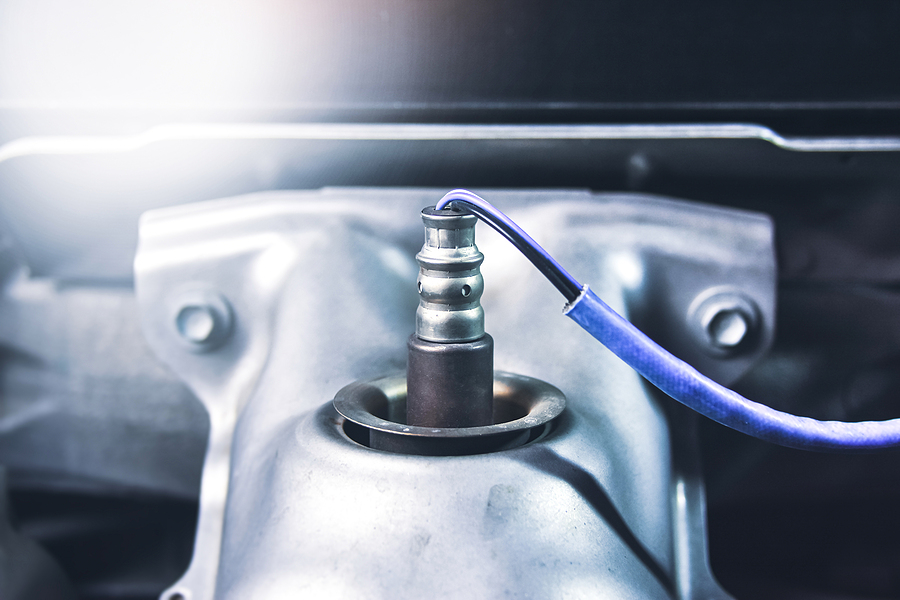
The O2 sensor monitors how much oxygen is in your exhaust, helping the engine maintain the right fuel-to-air ratio. When it fails, fuel efficiency drops and emissions increase.
Common symptoms of a failing oxygen sensor include:
- Check engine light (often paired with codes P0030, P0031, or P0032)
- Noticeably worse fuel economy
- Rough idling or engine hesitation
- Failed emissions test
Diagnosis typically involves connecting a scan tool to identify which sensor in the exhaust system is misbehaving. Most vehicles have two to four O2 sensors arranged in banks, and the scanner pinpoints exactly which one is at fault.
Typical repair cost (according to RepairPal):
- Total: $434–$537
- Parts: $345–$406
- Labor: $90–$131
Costs vary by vehicle. A Honda Civic averages $453–$532, while a Honda CR-V can run $582–$707. RepairPal recommends using OEM-quality sensors rather than cheaper aftermarket alternatives, which may not communicate correctly with the vehicle’s ECM.
Mass Air Flow (MAF) Sensor Issues and Replacement Pricing
The MAF sensor measures the volume of air entering the engine so the ECM can calculate how much fuel to inject. A dirty or failing MAF sensor disrupts this balance, causing drivability problems.
Watch for these signs:
- Check engine light (often with codes P00B8 or P00BC)
- Poor acceleration or hesitation under load
- Stalling at idle
- Reduced fuel economy
Diagnosing a MAF sensor involves more than just reading a code. Technicians compare live sensor readings against known good values and test the sensor circuit. A code pointing to the MAF doesn’t always mean the sensor itself is the problem—wiring issues and vacuum leaks can produce similar readings.
Typical repair cost (according to RepairPal):
- Total: $263–$408
- Parts: $212–$333
- Labor: $51–$75
This is one of the more affordable sensor repairs, partly because the labor time is low—the MAF sensor typically sits on the intake air tube and is often secured by a single screw or clamp. If you’re comfortable working under the hood, this is also one of the more DIY-friendly replacements, provided you’ve already confirmed the sensor is the actual cause.
Engine Coolant Temperature Sensor Diagnostic Guide
The engine coolant temperature (ECT) sensor tells the ECM how hot the engine is running. A faulty reading causes the engine management system to miscalculate fuel delivery and timing, sometimes leading to overheating or poor cold-start performance.
Symptoms to look out for:
- Check engine light (commonly P0115 or P0116)
- Engine running rich (too much fuel)
- Poor fuel economy
- Overheating or erratic temperature gauge readings
- Rough running on cold starts
A technician will connect a professional scan tool, compare the sensor’s reported temperature against actual conditions, and test the sensor circuit before confirming the diagnosis. RepairPal notes that symptoms like rough running and overheating can point to many different problems—proper diagnosis before part replacement is essential here.
Typical repair cost (according to RepairPal):
- Total: $452–$537
- Parts: $312–$332
- Labor: $140–$205
Labor costs are higher here than with a MAF sensor because accessing the ECT sensor—typically located in the thermostat housing or engine block—can require more disassembly. Costs swing widely by vehicle: a Toyota Corolla averages $293–$392, while a Ford F-150 averages $718–$864.
Understanding the Cost of ABS and Wheel Speed Sensors
Wheel speed sensors feed data to the anti-lock braking system (ABS), traction control, and stability control. When one fails, it can disable all three safety systems simultaneously.
Common warning signs:
- ABS warning light
- Traction control or stability control light
- ABS activating at low speeds or not engaging when needed
ABS systems are diagnosed using manufacturer-specific scanning software that communicates directly with the ABS control module. The technician views real-time wheel speed data and inspects the sensors for physical damage, dirt buildup, and wiring faults. The wheel speed sensor is the most common failure point in ABS systems.
Typical repair cost (according to RepairPal):
- Total: $228–$317
- Parts: $140–$188
- Labor: $87–$128
This is generally the most affordable of the four repairs covered here—but costs can climb sharply if the sensor is non-serviceable, meaning the entire wheel hub assembly must be replaced. A Toyota Camry wheel speed sensor averages $359–$502 for this reason.
Frequently Asked Questions
How much does a car diagnostic scan cost?
AutoZone offers a free check engine light scan through its Fix Finder service at all US store locations. If you take your car to a repair shop, expect to pay a diagnostic fee—typically around one to one and a half hours of labor, which often falls in the range of $90–$130, though this varies by shop. Some shops waive the fee if you proceed with the repair.
Can I replace a car sensor myself?
Some sensors are genuinely DIY-friendly. The MAF sensor, for example, is usually accessible and requires minimal tools. Others—like the ECT sensor or a non-serviceable wheel speed sensor—involve more complex disassembly and are better handled by a certified technician. The bigger risk with DIY sensor replacement is misdiagnosis: replacing the wrong part is almost always more expensive than paying for a proper diagnosis.
What happens if I ignore a faulty sensor?
It depends on the sensor. A failing O2 sensor will gradually hurt fuel economy and eventually cause catalytic converter damage. A bad ECT sensor can lead to overheating or engine damage if the ECM miscalculates fueling. A failed wheel speed sensor disables your ABS and traction control. Most sensor problems won’t leave you stranded immediately—but they tend to get more expensive the longer they go unaddressed.
Will a faulty sensor cause my car to fail an emissions test?
Yes, it can. A failing oxygen sensor is a common cause of failed emissions tests, both because of elevated emissions and because the OBD system will show incomplete readiness monitors.
Quick Recap:
- O2 Sensor: Affects fuel economy and emissions; average repair cost $434–$537
- MAF Sensor: Causes hesitation and poor acceleration; average repair cost $263–$408
- ECT Sensor: Can cause overheating and rough running; average repair cost $452–$537
- Wheel Speed Sensor: Disables ABS and traction control; average repair cost $228–$317
- Always get a proper OBD-II scan before replacing any sensor
- AutoZone’s Fix Finder offers a free diagnostic at all US locations
- Labor and parts costs vary significantly by vehicle make and model
Conclusion
When it comes to vehicle maintenance, identifying sensor issues early can save you from larger, costlier repairs down the road. With the complexity of modern vehicles, it’s vital to recognize the warning signs and address them promptly. Always utilize reliable diagnostic tools, like AutoZone’s free Fix Finder service, to ensure accurate identification of the problem. While sensor repairs can vary by make and model, a timely fix contributes to the longevity and safety of your vehicle. Stay proactive, stay informed, and your car will thank you with years of dependable performance.
What If the Repair Costs More Than the Car Is Worth?
Sometimes the sensor is just the beginning. One diagnostic scan turns into a repair estimate that exceeds the value of the vehicle—and suddenly you’re weighing whether to fix an aging car or cut your losses.
If you’re in Indianapolis and you’ve reached that point, we can help. We buy totaled, junk, and damaged cars for cash—paid on the spot, with free towing included. No paperwork headaches, no waiting around. Get an instant cash offer for your car today.
Related Post: Check Engine Light On? How to Use an OBD-II Scanner Like a Pro